



As a supplier of Stainless Steel Globe Valves, I understand the importance of test standards in ensuring the quality and performance of these essential industrial components. In this blog post, I will delve into the various test standards for stainless steel globe valves, providing insights into why they matter and how they impact the overall functionality and reliability of the valves.
Hydrostatic Testing
Hydrostatic testing is one of the most fundamental and widely used tests for stainless steel globe valves. This test involves subjecting the valve to a specified pressure of water to check for any leaks or weaknesses in the valve body, bonnet, and other components. The test pressure is typically higher than the normal operating pressure of the valve to simulate extreme conditions and ensure its integrity.
According to international standards such as ISO 5208 and API 598, the hydrostatic test pressure for a stainless steel globe valve is usually set at 1.5 times the valve's rated pressure. For example, if a valve has a rated pressure of 1000 psi, the hydrostatic test pressure would be 1500 psi. The valve is filled with water and the pressure is maintained for a specified period, usually around 5 to 10 minutes, to allow for any potential leaks to be detected.
During the hydrostatic test, the valve is inspected for any visible signs of leakage, such as water dripping or seeping from the valve body or connections. If a leak is detected, the valve is considered defective and must be repaired or replaced. Hydrostatic testing is crucial for ensuring the safety and reliability of the valve, as it helps to identify any potential weaknesses that could lead to leaks or failures during operation.
Shell Testing
Shell testing is another important test for stainless steel globe valves. This test focuses on the integrity of the valve body and bonnet, ensuring that they can withstand the pressure and forces exerted during normal operation. The shell test is similar to the hydrostatic test, but it is specifically designed to test the strength of the valve's outer shell.
The shell test pressure is typically set at 1.5 times the valve's rated pressure, similar to the hydrostatic test. However, the test duration may be longer, usually around 10 to 30 minutes, to allow for a more thorough inspection of the valve body. During the shell test, the valve is pressurized with water or another suitable test medium, and the pressure is monitored to ensure that it remains stable.
Any visible signs of deformation, cracking, or leakage in the valve body or bonnet are considered indications of a failed shell test. A failed shell test can compromise the structural integrity of the valve, leading to potential safety hazards and operational issues. Therefore, it is essential to conduct shell testing to ensure that the valve meets the required standards and specifications.
Seat Testing
Seat testing is a critical test for stainless steel globe valves, as it determines the valve's ability to provide a tight seal when closed. The seat of the valve is the area where the valve disc comes into contact with the valve seat ring, and a proper seal is essential for preventing leakage and ensuring efficient operation.
There are two main types of seat testing: the low-pressure seat test and the high-pressure seat test. The low-pressure seat test is typically conducted at a pressure of 50 to 100 psi, while the high-pressure seat test is conducted at a pressure of up to 1.1 times the valve's rated pressure.
During the seat test, the valve is closed, and the test medium is introduced into the valve cavity. The pressure is then increased to the specified test pressure, and the valve is inspected for any leakage past the seat. A small amount of leakage may be acceptable, depending on the valve's design and the applicable standards. However, excessive leakage indicates a poor seat seal and may require the valve to be repaired or replaced.
Fire Testing
Fire testing is an important consideration for stainless steel globe valves, especially in applications where fire safety is a concern. Fire testing evaluates the valve's ability to maintain its integrity and functionality during a fire, ensuring that it can prevent the spread of fire and protect the surrounding equipment and personnel.
There are several fire testing standards available, such as API 607 and ISO 10497, which specify the test procedures and requirements for fire testing of valves. During the fire test, the valve is subjected to a simulated fire environment, typically using a gas-fired furnace, and the temperature is increased to a specified level for a specified period.
The valve is then inspected for any signs of damage, such as deformation, cracking, or leakage, and its ability to close and provide a seal is tested. A valve that passes the fire test is considered to have met the required fire safety standards and can be used in applications where fire protection is essential.
Material Testing
In addition to the above tests, material testing is also an important aspect of ensuring the quality and performance of stainless steel globe valves. Material testing involves analyzing the chemical composition and mechanical properties of the valve materials to ensure that they meet the required specifications.
The chemical composition of the stainless steel used in the valve is typically analyzed using techniques such as spectroscopy or chemical analysis. This helps to ensure that the material contains the correct amount of elements, such as chromium, nickel, and molybdenum, which are essential for providing corrosion resistance and other desirable properties.
The mechanical properties of the valve materials, such as tensile strength, yield strength, and hardness, are also tested to ensure that they meet the required standards. These properties determine the valve's ability to withstand the pressure and forces exerted during operation and are crucial for ensuring its reliability and durability.
Conclusion
In conclusion, the test standards for stainless steel globe valves play a crucial role in ensuring the quality, performance, and safety of these essential industrial components. Hydrostatic testing, shell testing, seat testing, fire testing, and material testing are all important tests that help to identify any potential weaknesses or defects in the valve and ensure that it meets the required standards and specifications.
As a supplier of Stainless Steel Globe Valves, we are committed to providing high-quality valves that meet or exceed the industry's test standards. Our valves are manufactured using the latest technology and materials, and they undergo rigorous testing to ensure their reliability and performance.

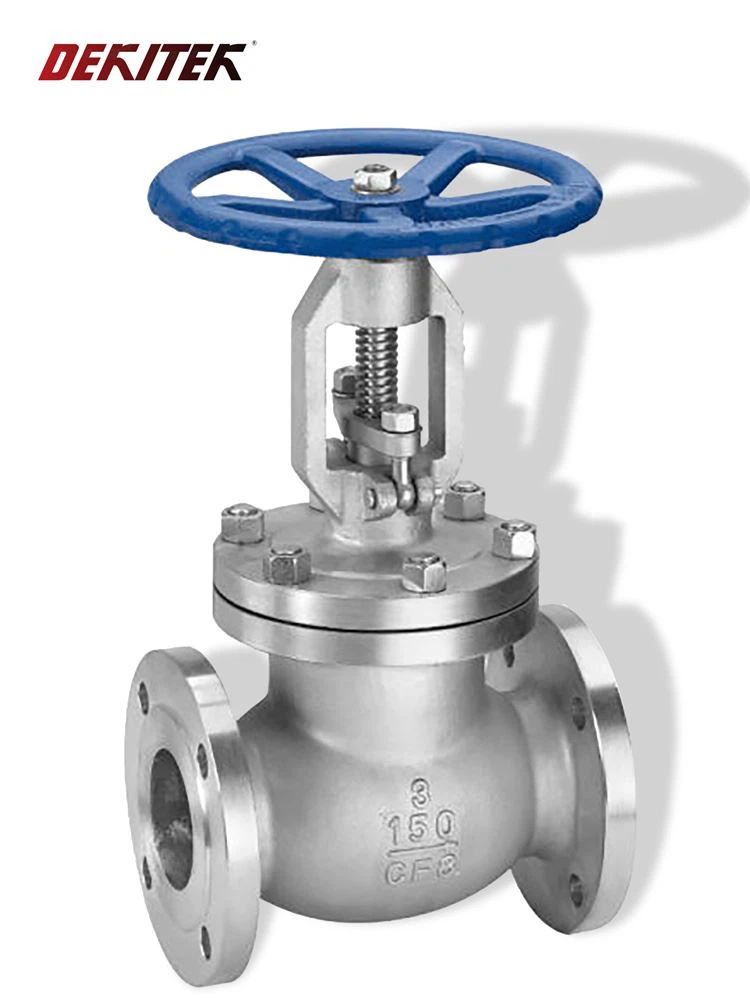
If you are in the market for stainless steel globe valves, Cast Steel Globe Valves, or Alloy Steel Globe Valves, we invite you to contact us to discuss your specific requirements. Our team of experts will be happy to assist you in selecting the right valve for your application and provide you with all the information you need to make an informed decision.
References
- ISO 5208: Industrial valves - Pressure testing of valves
- API 598: Valve Inspection and Testing
- API 607: Fire - test requirements for quarter - turn valves and ball valves for petroleum, petrochemical, and allied industries
- ISO 10497: Industrial valves - Fire - type testing of valves