

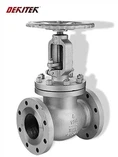
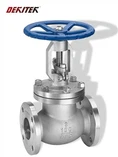
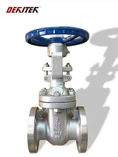
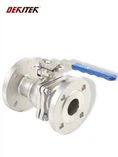
Ball Valve
Wenzhou Deki Valve Co., Ltd., is a professional industrial valve supplier specialized in valve research, design, manufacturing,Our company is well in line with major international standards, such as ANSI/API, BS, DIN, JIS, GB and etc.Our company's main products include: Ball Valves, butterfly valves, ball valves, check valves, globe valves, plug valves, filters and etc. we have equipped with the state of the art lathe machines, CNCs, and inspection lab for material inspection and valve production and testing.
Why Choose Us
Quality Control
To keep the consistency of our product quality control, we have equipped with the state of the art lathe machines, CNCs, and inspection lab for material inspection and valve production and testing.
Comply with international standards
Our company is well in line with major international standards, such as ANSI/API, BS, DIN, JIS, GB and etc.
Large foreign trade customer base
Our valves and flow control components are exported to all over the world, like Southeast Asia, Middle East, Europe, Russia, North and South America, Africa, and etc.
Our Services
Our well trained team will always keep learning and improving for the lastest knowledge in production and customer service.


High efficiency
Due to the size of the opening in the ball, ball valves are considered high recovery valves since they have a low-pressure drop and high flow capacity. There is little turbulence or resistance to fluid flow when the valve is fully open.
Convenient usage
As a result of their simple quarter-turn (90-degree) operation, ball valves are efficient and convenient to use. As the valve is relatively lightweight and small, it is also easy to install and remove.
Low maintenance
Compared to other types of valves, ball valves are simple and require less maintenance. Because the ball valve stem rotates without axial movement, the packing seal on the valve stem does not easily wear or fail. Ball valves are easy to disassemble and repair, and worn parts can be easily replaced.
Cost-efficient
The cost of ball valves is affordable compared to more complex valve types. Also, as they have low maintenance needs, they're cheaper to maintain.implement in the long term.
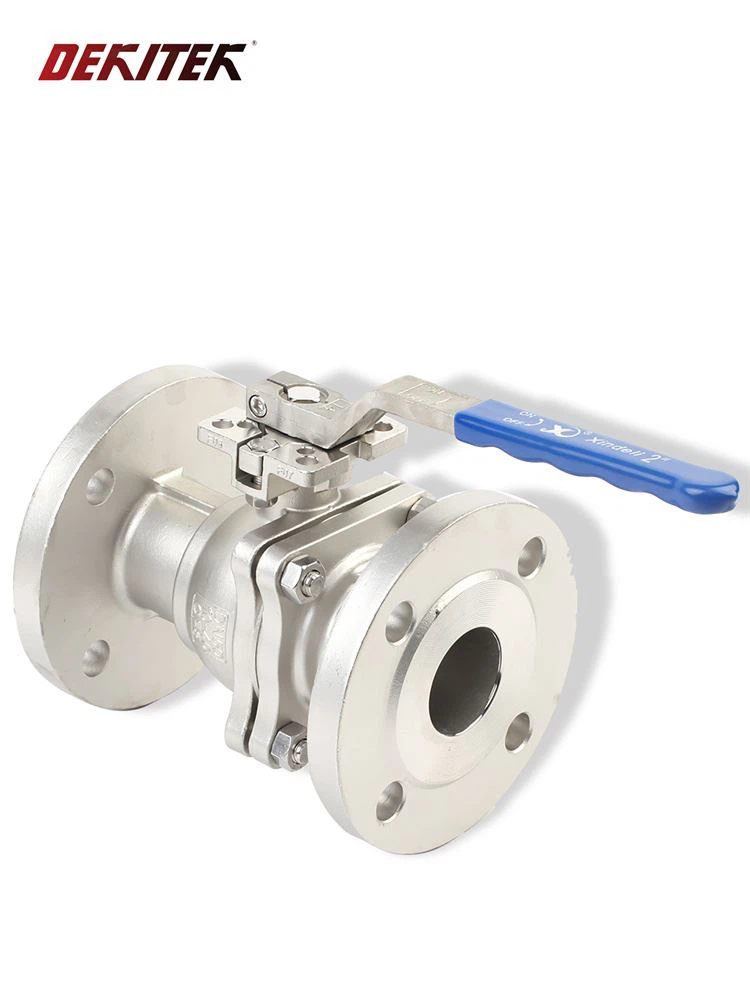
Full Port Ball Valves
In a full bore, the diameter of the bore is similar to that of the pipe. In full-bore valves, the flow area of the fluid remains constant, resulting in an exceptionally low flow resistance. Due to the minimal frictional loss encountered during fluid flow, the pressure decrease is also minimal. An increased pressure decrease in a piping system complicates the process of pumping.
V-Port Ball Valves
A v-port ball valve is a type of control valve that consists of a v-shaped ball or seal. The ‘V' design facilitates fluid regulation. The molded v-bore differentiates v-port ball valves from other varieties of ball valves.
Cavity Filler Ball Valves
The seat design of a cavity-filled ball valve links the distance between the ball and its body. This prevents the accumulation of particles or entrapped media around the ball over time, both of which have the potential to obstruct the fluid flow or cause contamination.
Multiport Ball Valves
Multiple fluid streams are diverted, combined, divided, or turned off via multi-port ball valves using a ball with an L-shaped or T-shaped bore segmented through its center. A multi-port valve can divide a flow upstream to the inlet into multiple discharge streams.
Food and Beverage Industry
Hygiene and cleanliness are essential in the food and beverage industry. Many food and beverage producers use stainless steel ball valves because they are easy to clean, resistant to corrosion, and can withstand the high temperatures often involved in food processing. Additionally, they are non-reactive, ensuring they don't alter the taste or quality of the food products.
Oil and Gas Industry
Oil and gas extraction and refining occur in extreme temperature and pressure conditions. This industry requires ball valves that can withstand such harsh environments. Stainless and carbon steel ball valves are often the go-to choice because of their high temperature and pressure endurance. Many also use Viton and PEEK seal materials because they are also highly resistant to corrosion, an essential property when dealing with the corrosive substances encountered in oil and gas production.
Water and Wastewater Industry
Water and wastewater facilities commonly use ball valves in water supply pipes, sewage systems, and treatment plants. Brass ball valves are popular due to their durability and resistance to corrosion. However, plumbing valves must be lead-free for use in potable water systems.
Chemical and Pharmaceutical Industries
Ball valves in the chemical industry must also resist a range of aggressive substances. Depending on the specific chemicals involved, manufacturers may use both stainless steel and plastic ball valves. Stainless steel offers excellent temperature and pressure endurance, while plastic ball valves, such as those made from PVC or polypropylene, provide exceptional resistance to a range of chemicals.
Valve Body: Is cast from Stainless Steel 316 (CF8M).
Seals & Seats: Are composed of Teflon (PTFE).
Compatability: Compatible on all substances that are suitable for use with both Teflon and Stainless Steel 316.
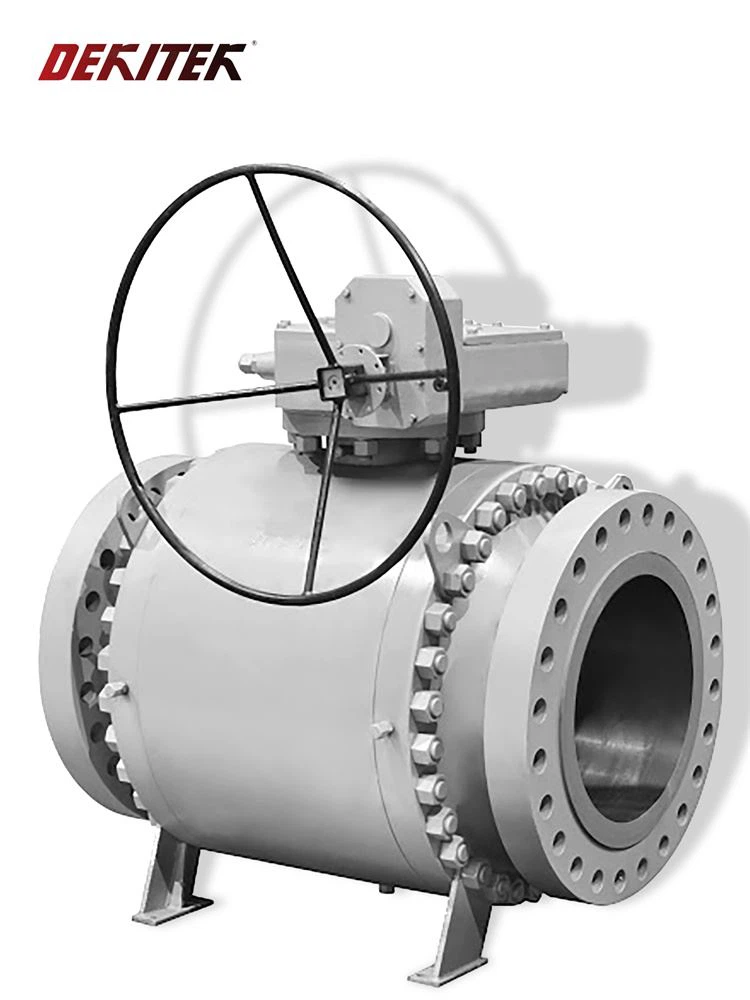
Small ball valves (below 1/2 inch)
They are perfect for precision applications where flow rate is not critical, such as fluid filling systems or instrumentation.They offer higher precision and are ideal for systems necessitating control at lower flow rates.
Medium ball valves (1/2 inch to 2 inches)
Versatile and adaptable, they are found in diverse settings, including residential water systems, HVAC units and automotive systems.
Pros: They strike a balance between flow rate and control, making them suitable for a wide range of applications.
Large ball valves (above 2 inches)
Industries like oil and gas primarily use these valves for pipelines, power plants and industrial manufacturing, where large flow rates are typical.They are capable of handling high flow rates and are typically designed to withstand tough conditions.
We offer a range of products engineered for optimal control, seamless integration and dependable operation to meet specific industrial demands. Here's a look at a few of the capabilities we can provide:
Smart electric actuator with positioning control: Optimizes control processes and features adjustable speeds and cycle times. With the inclusion of a V-port ball valve, this actuator can also be used for applications that require precise flow control.
Fast cycle speeds: Critical in applications that require fast response times. Our pneumatic actuators cycle in ½ -1 second, while our Smart electric actuator can cycle in as little as 2 seconds.
Positional feedback: Delivers critical data in real time to enhance performance efficiency and safety.
Fail-safe solutions: Maintains valve operation during power outages, crucial for uninterrupted system functionality.
Multiple position actuators: Supports configurations that require multiple operational positions, achieving high precision across various settings.
Custom voltages: Tailored to operate on specific electrical standards, ensuring compatibility across diverse installation environments.
We Provide OEM Service
We pride ourselves on delivering tailored solutions that cater directly to the unique demands of the OEM industry. Our commitment is to ensure that our clients receive not only the highest quality products but also specialized services that match their specific operational needs.
Specific Machinery Requirements
We design valves that seamlessly integrate with your specific machinery and equipment for optimal performance and compatibility.
Long-Term Durability
Recognizing the importance of longevity in the OEM sector, our valves are crafted with durability in mind, guaranteeing long-term operations without the need for frequent maintenance or replacements.
From Prototyping to Mass Production
Navigating the challenges of the OEM industry requires adaptability and expertise. We assist our clients from the initial prototyping phase all the way to mass production, ensuring a smooth and efficient process throughout.
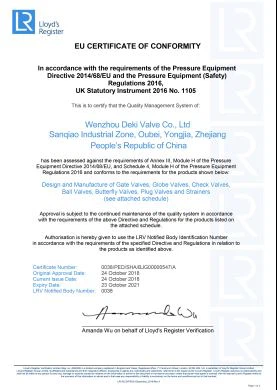
Our certifications
FAQ
As one of the leading ball valve enterprises in China, we warmly welcome you to buy API approved ball valve from our factory. All products products used in refinery, power plant, petrol chemical and oil&gas industry are with high quality and competitive price.
forged steel globe valve, gas line check valve, ball valve size 2 1 2