




As a seasoned ball valve supplier, I understand the importance of accurately checking the pressure rating of a ball valve. The pressure rating is a critical specification that indicates the maximum pressure a valve can withstand under normal operating conditions. Ensuring that the valve's pressure rating is appropriate for the application is crucial to prevent system failures, leaks, and potential safety hazards. In this blog post, I will share some practical methods and considerations for checking the pressure rating of a ball valve.
Understanding Pressure Rating Basics
Before delving into the checking process, it's essential to have a clear understanding of what pressure rating means. The pressure rating of a ball valve is typically expressed in pounds per square inch (psi), bar, or megapascals (MPa). It represents the maximum pressure that the valve can handle without experiencing structural damage or leakage.
There are different types of pressure ratings, including:
- Design Pressure Rating: This is the maximum pressure that the valve is designed to withstand during normal operation. It takes into account factors such as material strength, valve design, and manufacturing processes.
- Test Pressure Rating: This is the pressure at which the valve is tested during the manufacturing process to ensure its integrity. The test pressure is usually higher than the design pressure rating to provide a safety margin.
- Working Pressure Rating: This is the maximum pressure that the valve can safely handle under normal operating conditions. It is typically lower than the design pressure rating to account for factors such as temperature, corrosion, and fatigue.
Checking the Pressure Rating on the Valve Nameplate
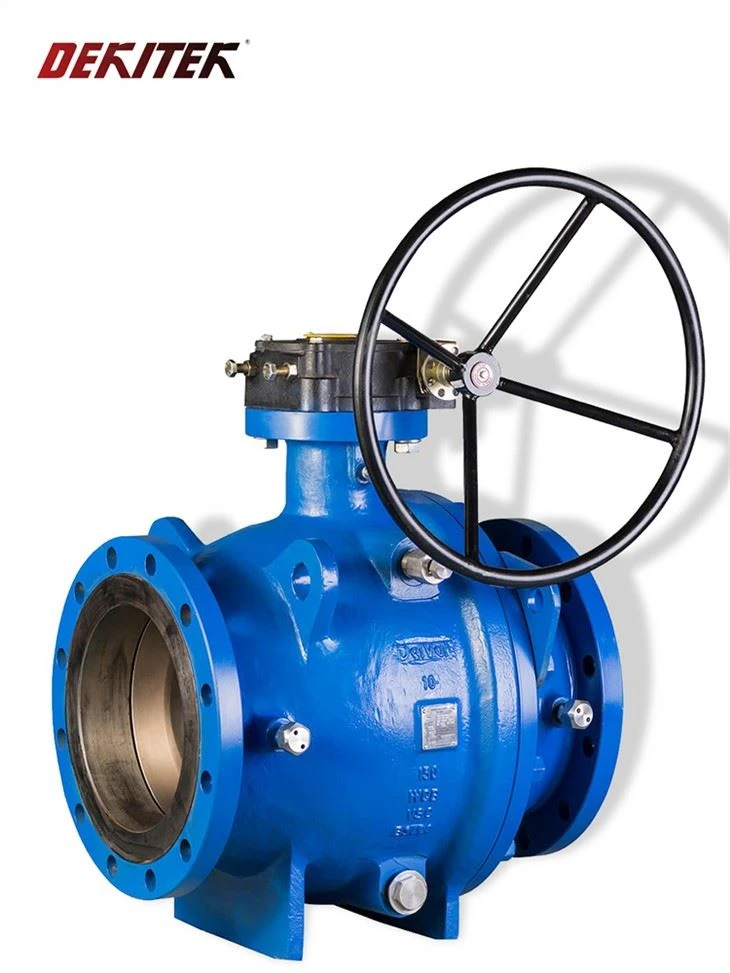
The most straightforward way to check the pressure rating of a ball valve is to look at the valve nameplate. The nameplate is usually located on the valve body and contains important information about the valve, including its size, material, pressure rating, and temperature rating.
When checking the nameplate, look for the following information:
- Pressure Rating Symbol: The pressure rating is usually indicated by a symbol or a series of numbers. For example, a valve with a pressure rating of 150 psi may be marked with the symbol "150#".
- Design Pressure Rating: This is the maximum pressure that the valve is designed to withstand during normal operation. It is usually expressed in psi, bar, or MPa.
- Test Pressure Rating: This is the pressure at which the valve is tested during the manufacturing process to ensure its integrity. It is usually higher than the design pressure rating and is expressed in the same units as the design pressure rating.
- Working Pressure Rating: This is the maximum pressure that the valve can safely handle under normal operating conditions. It is typically lower than the design pressure rating and is expressed in the same units as the design pressure rating.
If the valve nameplate is missing or damaged, you can contact the valve manufacturer or supplier for the pressure rating information.
Referring to the Valve Manufacturer's Documentation
In addition to checking the valve nameplate, you can also refer to the valve manufacturer's documentation for more detailed information about the valve's pressure rating. The manufacturer's documentation may include technical specifications, installation instructions, and maintenance manuals.

When referring to the manufacturer's documentation, look for the following information:
- Pressure Rating Chart: The manufacturer may provide a pressure rating chart that shows the maximum pressure that the valve can handle at different temperatures and operating conditions.
- Design Standards: The manufacturer may also provide information about the design standards that the valve complies with. For example, a valve may be designed to comply with API 6D, ASME B16.34, or other industry standards.
- Testing Procedures: The manufacturer may provide information about the testing procedures that the valve undergoes during the manufacturing process. This can help you ensure that the valve has been tested to the appropriate standards and is safe to use.
If you have any questions or concerns about the valve's pressure rating, you can contact the valve manufacturer or supplier for further assistance.
Using Pressure Testing Equipment
In some cases, you may need to use pressure testing equipment to verify the pressure rating of a ball valve. Pressure testing equipment can be used to apply a known pressure to the valve and measure the valve's response.
There are several types of pressure testing equipment that you can use, including:
- Hydraulic Pressure Testers: Hydraulic pressure testers use a hydraulic pump to apply a known pressure to the valve. They are commonly used for testing valves in industrial applications.
- Pneumatic Pressure Testers: Pneumatic pressure testers use a compressed air source to apply a known pressure to the valve. They are commonly used for testing valves in low-pressure applications.
- Pressure Gauges: Pressure gauges are used to measure the pressure applied to the valve. They can be used in conjunction with hydraulic or pneumatic pressure testers to monitor the pressure during the testing process.
When using pressure testing equipment, it's important to follow the manufacturer's instructions and safety guidelines. Make sure that the equipment is properly calibrated and that the valve is installed and connected correctly.
Considering the Application Requirements
When checking the pressure rating of a ball valve, it's important to consider the application requirements. The pressure rating of the valve should be appropriate for the maximum pressure that the valve will be exposed to during normal operation.
In addition to the pressure rating, you should also consider the following factors:
- Temperature Rating: The temperature rating of the valve should be appropriate for the maximum temperature that the valve will be exposed to during normal operation. High temperatures can affect the material properties of the valve and reduce its pressure rating.
- Fluid Compatibility: The valve should be compatible with the fluid that it will be used to control. Some fluids can be corrosive or abrasive, which can damage the valve and reduce its pressure rating.
- Valve Size and Type: The size and type of the valve should be appropriate for the application. A valve that is too small or too large for the application may not be able to handle the required pressure.
By considering these factors, you can ensure that the ball valve you select has the appropriate pressure rating and is suitable for the application.
Conclusion
Checking the pressure rating of a ball valve is an important step in ensuring the safety and reliability of your piping system. By understanding the pressure rating basics, checking the valve nameplate, referring to the manufacturer's documentation, using pressure testing equipment, and considering the application requirements, you can accurately determine the pressure rating of the valve and ensure that it is suitable for the application.
If you are in the market for high-quality ball valves with accurate pressure ratings, we are a leading [Ball Valve Supplier]. We offer a wide range of ball valves, including Trunnion Mounted Soft Seated Ball Valve, Trunnion Mounted Metal Seated Ball Valve, and Forged Floating Metal Seated Ball Valve. Our valves are designed and manufactured to meet the highest industry standards and are backed by our commitment to quality and customer satisfaction.
If you have any questions or would like to discuss your ball valve requirements, please feel free to contact us. We look forward to working with you to find the perfect ball valve solution for your application.
References
- API 6D: Specification for Pipeline Valves
- ASME B16.34: Valves - Flanged, Threaded, and Welding End
- Valve Manufacturer's Technical Documentation