


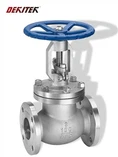

In cold environments, the freezing of BW Type Metal Sealing Butterfly Valves can pose significant challenges, potentially leading to valve malfunction, reduced efficiency, and even system failures. As a reliable supplier of BW Type Metal Sealing Butterfly Valves, I understand the importance of preventing valve freezing to ensure the smooth operation of industrial systems. In this blog post, I will share some effective strategies and best practices to prevent the freezing of BW Type Metal Sealing Butterfly Valves in cold environments.
Understanding the Causes of Valve Freezing
Before discussing prevention methods, it's essential to understand the root causes of valve freezing. In cold environments, the primary cause of valve freezing is the presence of water or moisture within the valve and its associated piping. When the temperature drops below the freezing point, the water can freeze, causing expansion and potentially damaging the valve components. Additionally, ice formation can obstruct the valve's movement, preventing it from opening or closing properly.

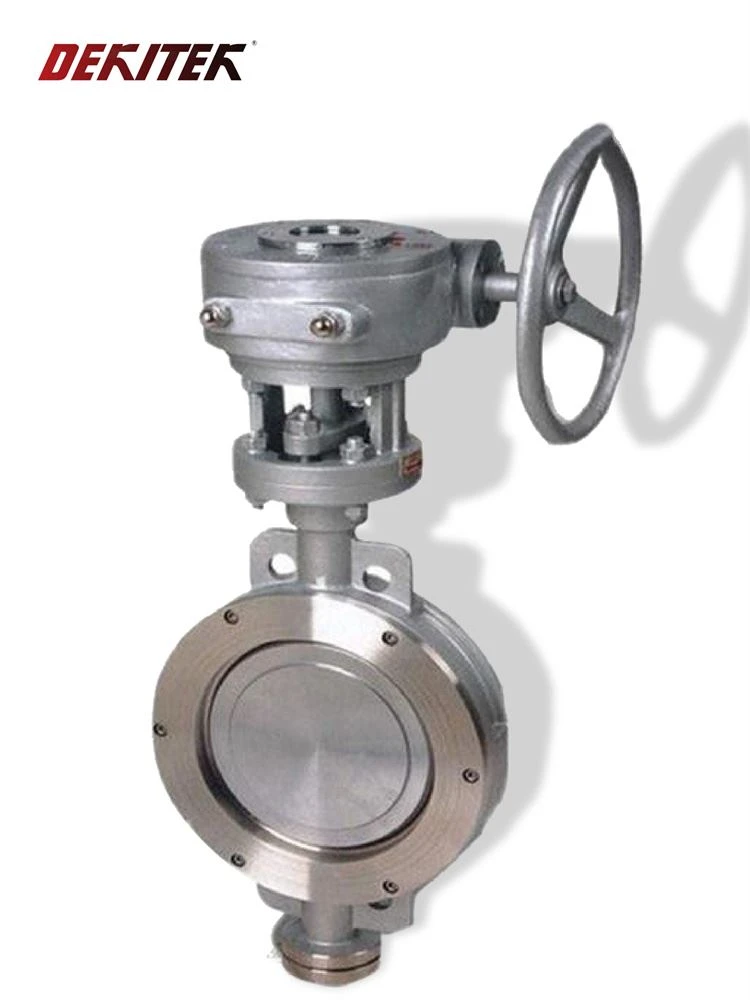
Other factors that can contribute to valve freezing include poor insulation, inadequate drainage, and the use of valves that are not designed for cold weather conditions. By addressing these factors, you can significantly reduce the risk of valve freezing and ensure the reliable operation of your industrial systems.
Selecting the Right Valve for Cold Environments
One of the most effective ways to prevent valve freezing is to select a valve that is specifically designed for cold weather conditions. When choosing a BW Type Metal Sealing Butterfly Valve, look for valves that are made from materials that can withstand low temperatures, such as stainless steel or nickel alloys. These materials are more resistant to corrosion and can maintain their mechanical properties in cold environments.
In addition to the valve material, consider the valve's design features. For example, some valves are equipped with insulation jackets or heating elements to prevent freezing. Others have improved drainage systems to remove water and moisture from the valve and its associated piping. By selecting a valve with these features, you can enhance its performance and reliability in cold weather conditions.
Flange End Metal Sealing Butterfly Valve
Flange End Metal Sealing Butterfly Valves are a popular choice for industrial applications, especially in cold environments. These valves are designed with flanges on both ends, which provide a secure connection to the piping system. The metal sealing design ensures a tight seal, preventing leakage and reducing the risk of freezing.
Wafer Type Metal Sealing Butterfly Valve
Wafer Type Metal Sealing Butterfly Valves are another option for cold environments. These valves are lightweight and compact, making them easy to install and maintain. The wafer design allows for a quick and simple installation between two flanges, reducing the overall cost and complexity of the piping system.
Lug Type Metal Sealing Butterfly Valve
Lug Type Metal Sealing Butterfly Valves are suitable for applications where the valve needs to be installed in a pipeline without disassembling the entire system. These valves are designed with lugs on the outside of the valve body, which allow for easy installation and removal using bolts. The metal sealing design provides a reliable seal, even in cold weather conditions.
Insulating the Valve and Piping
Proper insulation is crucial for preventing valve freezing in cold environments. Insulation helps to reduce heat loss from the valve and its associated piping, keeping the temperature above the freezing point. When insulating the valve and piping, use high-quality insulation materials that are specifically designed for cold weather conditions.
There are several types of insulation materials available, including fiberglass, foam, and rubber. Choose an insulation material that has a low thermal conductivity and is resistant to moisture and chemicals. Additionally, ensure that the insulation is installed correctly, covering all exposed surfaces of the valve and piping.
Installing Drainage Systems
In addition to insulation, installing drainage systems can help to prevent valve freezing by removing water and moisture from the valve and its associated piping. Drainage systems can include drain valves, traps, and weep holes. These devices allow water to drain out of the valve and piping, reducing the risk of freezing.
When installing drainage systems, ensure that they are properly sized and located to effectively remove water and moisture. Additionally, regularly inspect and maintain the drainage systems to ensure that they are functioning correctly.
Using Heating Elements
In some cases, using heating elements may be necessary to prevent valve freezing in extremely cold environments. Heating elements can be installed on the valve or its associated piping to provide additional heat and keep the temperature above the freezing point. There are several types of heating elements available, including electric heating tapes, steam tracing, and hot water tracing.
When using heating elements, ensure that they are properly sized and installed according to the manufacturer's instructions. Additionally, regularly monitor the temperature of the valve and piping to ensure that the heating elements are providing sufficient heat.
Regular Maintenance and Inspection
Regular maintenance and inspection are essential for preventing valve freezing and ensuring the reliable operation of your industrial systems. During maintenance, inspect the valve and its associated piping for signs of damage, corrosion, or leakage. Additionally, check the insulation, drainage systems, and heating elements to ensure that they are functioning correctly.
If any issues are detected during the maintenance and inspection process, address them immediately to prevent further damage and ensure the continued operation of the valve. Regular maintenance and inspection can help to identify potential problems before they become major issues, reducing the risk of valve freezing and system failures.
Conclusion
Preventing the freezing of BW Type Metal Sealing Butterfly Valves in cold environments is crucial for ensuring the reliable operation of industrial systems. By selecting the right valve, insulating the valve and piping, installing drainage systems, using heating elements, and performing regular maintenance and inspection, you can significantly reduce the risk of valve freezing and ensure the smooth operation of your industrial systems.
As a supplier of BW Type Metal Sealing Butterfly Valves, I am committed to providing high-quality valves and comprehensive solutions to meet the needs of my customers. If you have any questions or need further information about preventing valve freezing in cold environments, please feel free to contact me. I would be happy to discuss your specific requirements and provide you with the best solutions for your industrial applications.
References
- ASME B16.34 - Valves - Flanged, Threaded, and Welding End
- API 609 - Butterfly Valves, Double Flanged, Lug, and Wafer Type
- ISO 5208 - Industrial Valves - Pressure Testing of Valves