


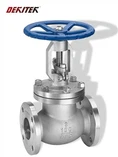

As a supplier of Carbon Steel Flexible Wedge Gate Valves, I've witnessed firsthand the critical role that valve flexibility plays in resisting water hammer. Water hammer is a phenomenon that occurs when there's a sudden change in the flow rate of water within a pipeline, leading to a shock wave that can cause significant damage to the system. In this blog, I'll explore how the flexibility of valves affects their ability to withstand water hammer and why it's crucial for various applications.
Understanding Water Hammer
Before delving into the relationship between valve flexibility and water hammer resistance, it's essential to understand what water hammer is and how it occurs. Water hammer is essentially a pressure surge or wave caused by the sudden change in the velocity of a fluid, typically water, within a pipeline. This sudden change can be due to the rapid closing or opening of a valve, the starting or stopping of a pump, or other factors that disrupt the normal flow of the fluid.
When a valve closes rapidly, the flowing water is suddenly stopped, and its kinetic energy is converted into pressure energy. This results in a sharp increase in pressure, creating a shock wave that travels through the pipeline. The shock wave can cause vibrations, noise, and even structural damage to the pipeline and its components, including valves.
The Role of Valve Flexibility
Valve flexibility refers to the ability of a valve to deform or adjust its shape in response to changes in pressure or flow conditions. In the context of water hammer, valve flexibility plays a crucial role in absorbing and dissipating the energy of the shock wave, thereby reducing the impact on the valve and the pipeline system.
A flexible valve can act as a buffer, allowing the shock wave to be absorbed gradually rather than being transmitted directly to the pipeline. This helps to prevent excessive pressure buildup and reduces the risk of damage to the valve and other components. Additionally, valve flexibility can help to minimize the vibrations and noise associated with water hammer, improving the overall performance and reliability of the system.
How Flexibility Affects Water Hammer Resistance
There are several ways in which valve flexibility affects its resistance to water hammer:
Energy Absorption
A flexible valve can absorb the energy of the shock wave by deforming or flexing under pressure. This deformation allows the valve to dissipate the energy gradually, reducing the peak pressure and minimizing the impact on the pipeline. For example, a Carbon Steel Flexible Wedge Gate Valve is designed with a flexible wedge that can flex and adapt to changes in pressure, helping to absorb the energy of the shock wave and prevent damage to the valve and the pipeline.
Reduced Pressure Transients
By absorbing the energy of the shock wave, a flexible valve can reduce the magnitude of the pressure transients associated with water hammer. This helps to prevent excessive pressure buildup in the pipeline, which can lead to leaks, bursts, and other forms of damage. Additionally, reducing the pressure transients can help to minimize the vibrations and noise associated with water hammer, improving the comfort and safety of the system.
Improved Sealing Performance
Valve flexibility can also improve the sealing performance of the valve, especially under high-pressure conditions. A flexible valve can adapt to changes in pressure and temperature, ensuring a tight seal between the valve seat and the disc. This helps to prevent leakage and reduces the risk of water hammer-induced damage to the valve and the pipeline.
Extended Valve Life
By reducing the impact of water hammer on the valve, flexibility can help to extend the life of the valve. Water hammer can cause wear and tear on the valve components, leading to premature failure. A flexible valve can absorb the energy of the shock wave and reduce the stress on the valve components, helping to prevent damage and extend the service life of the valve.
Applications and Benefits
The ability of a valve to resist water hammer is crucial in a wide range of applications, including water supply systems, industrial pipelines, and power generation plants. In water supply systems, water hammer can cause damage to pipes, valves, and other components, leading to leaks and service disruptions. A Carbon Steel Flexible Wedge Gate Valve with good water hammer resistance can help to prevent these problems, ensuring the reliable operation of the water supply system.
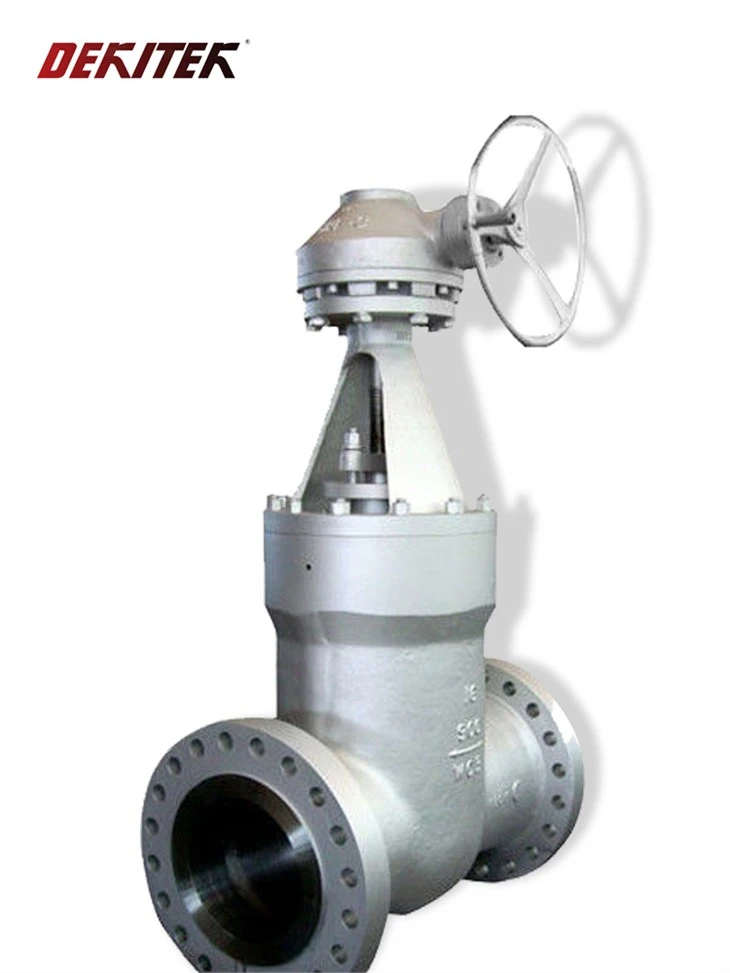

In industrial pipelines, water hammer can cause damage to equipment and processes, leading to costly downtime and repairs. A flexible valve can help to protect the pipeline and its components from water hammer, improving the efficiency and reliability of the industrial process.
In power generation plants, water hammer can cause damage to turbines, pumps, and other critical components, leading to reduced power output and increased maintenance costs. A valve with good water hammer resistance can help to prevent these problems, ensuring the safe and efficient operation of the power generation plant.
Other Valve Options
In addition to Carbon Steel Flexible Wedge Gate Valves, there are other types of valves that offer good water hammer resistance. For example, the Alloy Steel Pressure Seal Gate Valve is designed with a pressure seal bonnet that provides a tight seal under high-pressure conditions. This valve is suitable for applications where high pressure and temperature are involved, and it offers good resistance to water hammer.
The Duplex Stainless Steel Gate Valve is another option that offers excellent corrosion resistance and water hammer resistance. Duplex stainless steel is a high-strength material that can withstand harsh environments and high-pressure conditions. This valve is suitable for applications in the chemical, petrochemical, and marine industries.
The Duplex Stainless Steel Pressure Seal Gate Valve combines the benefits of duplex stainless steel and a pressure seal bonnet, offering excellent corrosion resistance and water hammer resistance. This valve is suitable for applications where high pressure, high temperature, and corrosion resistance are required.
Conclusion
In conclusion, the flexibility of a valve plays a crucial role in its resistance to water hammer. A flexible valve can absorb and dissipate the energy of the shock wave, reducing the impact on the valve and the pipeline system. This helps to prevent damage, reduce vibrations and noise, and improve the overall performance and reliability of the system.
As a supplier of Carbon Steel Flexible Wedge Gate Valves, I understand the importance of valve flexibility in resisting water hammer. Our valves are designed and manufactured to provide excellent water hammer resistance, ensuring the reliable operation of your pipeline system. If you're looking for a valve that can withstand water hammer and provide long-lasting performance, I encourage you to contact us for more information and to discuss your specific requirements. We're here to help you find the right valve solution for your application.
References
- "Fluid Mechanics" by Frank M. White
- "Valve Handbook" by Robert K. Crane
- "Pipeline Hydraulics" by Mohsen Ghidaoui