


Why Choose Us
Wenzhou Deki Valve Co., Ltd., is a professional industrial valve supplier specializing in valve research, design, manufacturing, sales, and services. We specialize in producing Top Entry Ball Valve, Fully Welded Ball Valve, Forged Floating Metal Seated Ball Valve, Cast Steel Soft Seated Floating Ball Valve, and other Ball Valve.
Advanced Equipment
To keep the consistency of our product quality control, we have equipped state-of-the-art lathe machines, CNCs, and inspection labs for material inspection and valve production and testing.
Quality Guaranteed
Our company is well in line with major international standards, such as ANSI/API, BS, DIN, JIS, GB, etc.
Products Sell Well
Our valves and flow control components are exported all over the world, like Southeast Asia, the Middle East, Europe, Russia, North and South America, Africa, etc.
Wide Range of Applications
Our products are used by our customers in the Oil and Gas Refinery, Nuclear Power Plant, Chemical Plant, Marine Power Station, and Water discharge and supply industries.
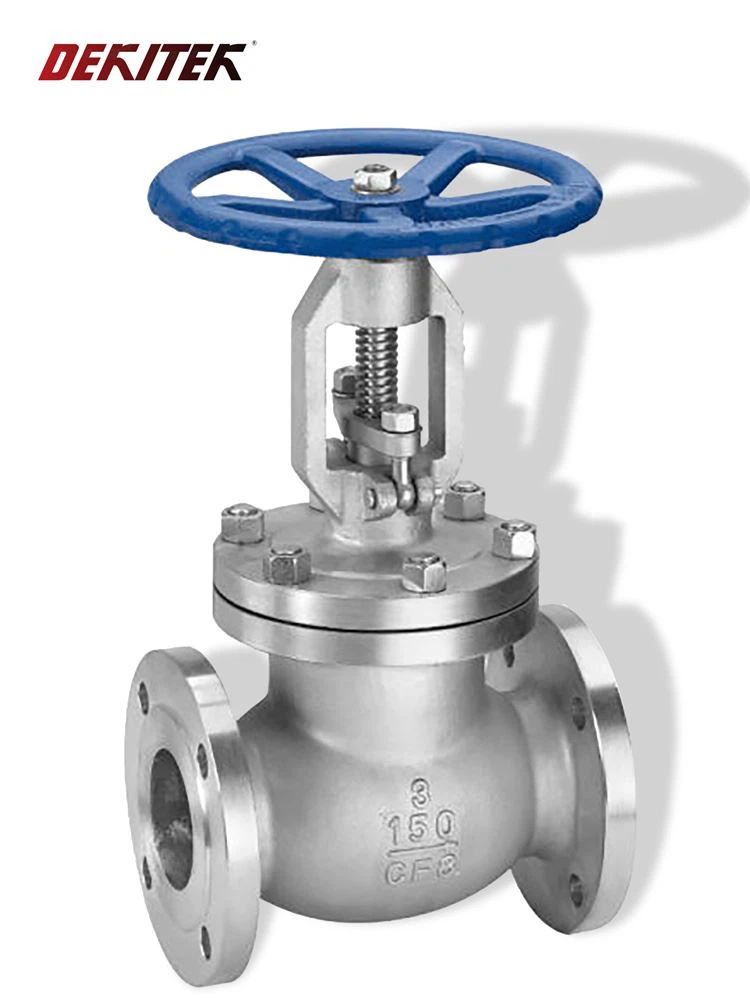
Our Stainless Steel Globe Valve is designed with several important features that make it an ideal choice for customers looking for a high-performance valve.

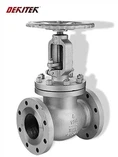
Duplex Stainless Steel Pressure Seal Gate Valve
Our Duplex Stainless Steel Pressure Seal Gate Valves are built to last, and we guarantee their quality and performance.

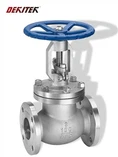
Stainless Steel Pressure Seal Gate Valve
This pressure seal gate valve comes equipped with state-of-the-art technology, making it a revolutionary product compared to its competitors in the market.

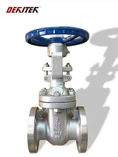
Duplex Stainless Steel Gate Valve
Duplex stainless steel gate valves have become popular in the modern industrial sector due to their outstanding mechanical properties and excellent resistance to corrosion.

Stainless Steel Flexible Wedge Gate Valve
The Stainless Steel Flexible Wedge Gate Valve is designed to provide a reliable and long-lasting solution for controlling the flow of fluid in various applications.

Alloy Steel Globe Valve is an essential component used in various industries for controlling and regulating fluid flow. Developed under the strict quality control of our skilled professionals, this valve is made to offer superior performance in harsh and challenging environments.

Cast Steel Globe Valves are known for their superior functionality and robust construction, making them ideal for use in various demanding applications across industries such as chemical processing, mining, oil and gas, and power generation.

Alloy Steel Pressure Seal Gate Valve
Our Alloy Steel Pressure Seal Gate Valve is a robust and sturdy valve constructed with high-grade material to ensure long-lasting durability and reliability.

The Duplex Steel Globe Valve is crafted using high-quality materials, including Duplex stainless steel, which is known for its exceptional strength, corrosion resistance, and durability.
Valves are mechanical devices that help control the movement of liquids, powders, and gases through tubes and pipes. They provide high abrasion resistance. So they adequately resist erosion in dangerous settings such as sand particles in high-speed gas streams. Also, they effectively resist shock damage from impacts such as water hammer. If you want to know the specifications and prices of Stainless Steel valve, please contact us!
Stainless Steel Globe Valve
BSP valves are often referred to as WOG valves (water oil gas). Globe valves are generally used to stop, start, and regulate flow within a pipe. They're made with a spherical body and a disc. The disc within the globe valve is designed to move up and down from the seat.
Advantage:
High Durability: The Stainless Steel construction of our Globe Valve gives it excellent durability, making it resistant to corrosion, rust, and other environmental factors that can cause wear and tear over time.
High-Quality Materials: Our Globe Valves are made with only the highest quality materials, ensuring that they provide years of reliable service.
Easy Installation: Our Globe Valve is designed for easy installation and maintenance. This means that customers can quickly and easily install or replace the valve when needed, minimizing downtime.
Precision Engineering: Our Globe Valve is engineered to perform at the highest levels of precision, ensuring that it operates smoothly and efficiently in a range of demanding industrial applications.
Versatile Applications: Our Globe Valve is ideal for use in a wide range of applications, including oil and gas, power generation, chemical processing, and water treatment.
Stainless Steel Pressure Seal Gate Valve
Pressure seal gate valves are designed to provide compact design and ease of maintenance in high-pressure service. These valves are a type of valve used in power generation, pulp and paper, and refineries.
Advantage:
Durability: The stainless steel pressure seal gate valve is made of high-quality materials, making it corrosion-resistant, wear-resistant, and long-lasting. It can withstand harsh environments and extreme temperatures, making it ideal for industrial applications.
Pressure-Sealing: Our pressure seal gate valve is designed to ensure maximum sealing performance, which increases its reliability and reduces the risk of leakage. The pressure seal provides a tight and secure seal, thereby enhancing the overall efficiency of your applications.
Zero Leakage: The high-quality materials and top-notch technology used in our stainless steel pressure seal gate valve ensure zero leakage, which is essential for preventing waste and reducing expenses.
Easy to Operate: The pressure seal gate valve is designed to be easy to operate, with easy on/off functions that do not require any specialized training. The valve handle is also user-friendly and easily identifiable, making it easy for users to operate.
High-Temperature Resistance: Our pressure seal gate valve is designed to withstand high-temperature applications with ease while ensuring zero leakage. It can handle a wide range of temperatures and remains reliable and efficient under extreme conditions.
Low Maintenance: This pressure seal gate valve requires minimal maintenance, making it ideal for use in applications where downtime needs to be minimized. The valve is designed to be durable and long-lasting, reducing the frequency of maintenance and the associated costs.
Duplex Steel Globe Valve
The duplex globe valve uses stainless steel which has stronger resistance to corrosion than the commonly used grades of stainless steel valves, namely 304 valves and 316 valves.
Advantage:
Durability: The Duplex Steel Globe Valve is built to last, with its robust construction and superior resistance to wear and tear. The valve is engineered to withstand heavy usage and extreme pressure, ensuring that it performs efficiently and reliably over an extended period.
Corrosion Resistance: The valve is crafted using Duplex stainless steel, a material that offers superior resistance to corrosion, rust, and erosion. This ensures that the valve remains in pristine condition, even when used in high humidity and corrosive environments.
Precision Performance: The Duplex Steel Globe Valve is designed to provide accurate and reliable performance, thanks to its precise design and engineering. This valve offers excellent flow control, making it ideal for use in a range of industrial applications.
Flexibility: This valve is suitable for use in various applications, including chemical, petrochemical, and refineries.
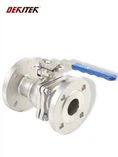
Cast Steel Metal Seated Floating Ball Valve
Cast-steel floating ball valves have a two-piece split body. The floating ball valve has a self-relieving seat, an anti-static device. It is fire-safe design and can be ordered with a full or reduced bore. The valve design and manufacture strictly comply with international standards such as API 6D and API 608.
Advantage:
Our Cast Steel Metal Seated Floating Ball Valve has a vinyl covered lever handle and locking device, which can realize flexible switch control. At the same time, it provides excellent corrosion resistance for most applications, can well avoid the impact of water, oil, natural gas and acid, and maintain good performance. In addition, it is equipped with a tight seal to ensure no leakage and maintain a lasting seal after years of frequent use.
Advantage of Stainless Steel Valve
Corrosion Resistance
These valves are highly corrosion resistant, making them ideal for applications with daily exposure to moisture or corrosive substances. This corrosion resistance ensures a longer lifespan for the valves, reducing the need for frequent replacements.
Durability
These valves are known for their exceptional durability. They can withstand high pressures and temperatures, making them suitable for demanding industrial environments. The steel ball valves are built to last, ensuring reliable performance over an extended period.
Versatility
These valves are versatile and can be used in various applications, including water treatment, chemical processing, food and beverage, oil and gas, and HVAC systems. Their adaptability makes them a cost-effective choice for many industries.
Low Maintenance: Once installed, valves require minimal maintenance. Their robust construction and corrosion-resistant properties mean they can operate smoothly without frequent servicing, reducing downtime and maintenance costs.
Tight Sealing
These valves provide excellent sealing capabilities, preventing leakage and ensuring efficient fluid flow control. Their tight sealing is crucial in applications where even minor leaks can lead to significant issues.
Easy Operation
These valves are easy to operate, with a simple quarter-turn mechanism allowing quick opening and closing. This operation simplicity minimizes operator error risk and ensures reliable performance.
High Flow Capacity
The stainless steel valves offer high flow capacity, allowing for efficient fluid transfer even in large pipelines. This feature is essential in applications where rapid flow control is necessary.
Temperature Tolerance
They can handle a wide range of temperatures, from extremely cold to extremely hot, without compromising their performance

●Remove any packing or debris from the valve
●Ensure the inside of the valve is free from water or moisture (can expand when subject to heat on startup)
●Ensure the valve is supported (can be damaged by long runs of unsupported pipe clamping in on the valve)
●Ensure you have room to operate the valve
●Do a complete dry cycle of the valve from closed to open then back again
●Tighten flange bolts gradually in a diagonal pattern
●Gradually raise the internal pressure to ensure the flanges and bolts are installed correctly and the valve is sealed
●Raise internal pressure to operating levels and check again
Application of Stainless Steel Ball Valve
Oil Refining
Refining crude oil is a long and complicated process that is made much easier through the use of stainless steel ball valves. Crude oil may contain sulfur, carbon dioxide, and many microorganisms, which makes it an extremely corrosive substance. Over time, the constant movement of this substance can break down the metal of the valve. Therefore, you will need pipes and valves that can withstand corrosive crude oil for the longest time. Since stainless steel valves have very high corrosion resistance, they are the obvious choice of use in the oil refinery industry.
Marine Projects
Certain applications involving pipes and valves occur under or near seawater. Since seawater contains chloride and sodium, it is pretty corrosive to all materials, especially metals. That's not all, marine environments naturally involve water, a substance that has a substantial impact on all metals.
In such applications, many prefer to use plastic valves since they are more resistant to water and other harsh chemicals compared to most metals. However, the main concern with using plastic valves is that they can't withstand extreme temperatures and high pressures.
Stainless steel ball valves, on the other hand, have a high-temperature tolerance, are corrosion resistant, and can withstand high pressures. The only thing these valves require is proper maintenance to extend their lifespan under or around seawater.
Breweries
Stainless steel ball valves are widely used in breweries. These valves are typically situated on the kettle to help control the flow of liquid during transfers. The reason that stainless steel valves are a top choice in breweries is that during the mashing process, the valve comes into direct contact with a liquid known as wort, which is highly corrosive and can very easily wear down iron valves, and since plastic valves lack the ability to handle high temperatures, stainless steel valves are the best option.
Understand Stainless Steel Check Valve Application
Consider the specific purpose of the check valve in your system. Whether it's for preventing backflow in water systems, controlling fluids in industrial processes, or other applications, understanding your needs is crucial.
Identify the SS Check Valve Type
Identify the type of check valve suitable for your application. Common types include stainless steel swing check valves, lift check valves, and dual plate check valves. Each type has its advantages based on the flow conditions and requirements.
Metal Check Valve Material Selection
Opt for metal check valves, especially stainless steel material, for durability and corrosion resistance. Consider the specific grade of stainless steel, such as 316 stainless steel, for enhanced resistance to harsh environments and corrosive fluids.
Size and Flow Capacity of Check Valve
Choose a check valve with the right size and flow capacity to match your system's requirements. Consider factors like pipe diameter and the expected flow rate to ensure optimal performance.
Check Valve Pressure Rating
Check the pressure rating of the valve to ensure it can withstand the pressure conditions in your system. Select a valve with a rating that exceeds your system's maximum operating pressure.
Check valve installation orientation
Consider the installation position of the check valve. Some valves are designed for horizontal installation, while others work well in vertical positions. Choose a valve that suits your system layout.
End Connection Type
Check the end connection type of the valve, whether it's threaded, flanged, or socket-welded. Ensure compatibility with your existing piping system for easy installation.
Certifications and Standards
Look for check valves that meet industry standards and certifications. This ensures that the valve complies with quality and safety requirements, providing peace of mind for reliable operation.
Maintenance Considerations
Assess the ease of maintenance. Choose a check valve with simple construction and accessible components for easy inspection and repairs, if necessary.
Budget and Long-Term Costs
Consider both the initial cost and long-term costs associated with the valve. While high-quality stainless steel valves may have a higher upfront cost, they often offer better durability and reduced maintenance expenses over time.
Best Practices for Longevity and Maintenance of Stainless Steel Valves
Clean and Lubricate Regularly
Cleaning and lubricating your stainless steel valves regularly is vital to ensure their longevity. Valves used in damp, salty, or harsh environments are susceptible to corrosion and buildup of dirt, debris, and other particles that may cause them to fail. Therefore, you should use a non-abrasive cleaner and lubricant to remove debris and rust and keep the valves functioning smoothly. Avoid harsh chemicals or abrasive tools that may damage the valve's surface.
Inspect for Leaks and Damage
Regular inspections are another critical practice for maintaining stainless steel valves. Inspect your valves for leaks, cracks, or damage that may reduce their performance or lead to catastrophic failure. Common signs of valve leaks include moisture or water accumulation near the valve, reduced flow rate, or unusual noise. If you notice any of these signs, it's wise to investigate and repair the valve to prevent further damage.
Protect from Extreme Temperatures
Stainless steel valves are reliable in high temperatures that other materials cannot withstand. However, this doesn't mean that they are immune to temperature-related damage. Extreme temperature fluctuations, whether hot or cold, may damage or weaken valves over time, resulting in premature failure or degradation of their performance. Therefore, it is recommended to install insulation or heat shields to protect valves from excessive heat or cold.
Use the Right Tools and Accessories
Using the right tools and accessories is crucial when working on stainless steel valves. Always use the appropriate wrenches, pliers, and other tools designed for the valve size and type to avoid damaging the parts. Similarly, when replacing or installing accessories such as gaskets or stem packings, ensure they are compatible with the valve and won't inhibit its performance.
Train Your Staff on Best Practices
Lastly, training your personnel on the best practices for maintaining stainless steel valves is key to ensuring their longevity and optimal performance. Educate your staff on how to handle, clean, and inspect valves and identify signs of damage or leakage. Additionally, when working on or near the valves, they must be provided with the necessary tools and protective gear, such as gloves, goggles, and respirators.
Leakage
Leakage occurs when the valve fails to create a proper seal, allowing fluid to pass in the wrong direction. This can happen due to wear, damage, or issues with the sealing components.
Corrosion
Corrosion is the gradual deterioration of the valve material, often caused by exposure to corrosive substances in the fluid. It weakens the valve structure, leading to potential failure.
Sticking or Jamming
Sticking or jamming happens when the moving parts of the valve, such as the swinging disc, get stuck. This can be due to debris, rust, or improper lubrication, hindering the smooth operation of the valve.
Slow Closing or Opening
When a stainless steel check valve closes or opens slowly, it can impact the efficiency of fluid flow control. This may result from issues with the hinge mechanism, spring (if applicable), or internal components.
Water Hammer
Water hammer is the sudden pressure surge in the pipeline, causing a thumping sound. It occurs when the valve closes too quickly, and the kinetic energy of the flowing fluid creates a shockwave. This can lead to damage over time.
Excessive Wear and Tear
Excessive wear and tear happens when the valve components, such as the swinging disc or hinge, wear out faster than expected. This can result from factors like high flow rates, frequent use, or abrasive particles in the fluid.
Backflow Issues
Backflow issues occur when the valve fails to prevent reverse flow adequately. This can be due to a damaged swinging disc, ineffective sealing, or misalignment of internal components.
Improper Sizing
If the check valve is not appropriately sized for the flow requirements of the system, it may lead to issues like turbulent flow, increased pressure drop, or ineffective prevention of backflow.
Faulty Installation
Faulty installation, such as incorrect positioning or inadequate support, can contribute to various problems, including leakage, improper sealing, and reduced valve performance.
Lack of Regular Maintenance
Neglecting regular maintenance can lead to any of the above problems going unnoticed or unaddressed, increasing the risk of valve failure over time.
Our Factory

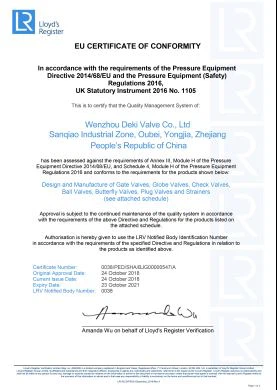
Certifications
Frequently Asked Questions
Hot Tags: duplex stainless steel pressure seal gate valve, China duplex stainless steel pressure seal gate valve, stainless ball valve, 4 in ball valve, globe valve disc, low cracking pressure check valve, iron globe valve, gate valve automatic


