




What is the flow characteristic of an electric actuator gate valve?
As a trusted supplier of electric actuator gate valves, I understand that comprehending the flow characteristics of these valves is crucial for various industrial applications. Electric actuator gate valves are widely used in industries such as oil and gas, power generation, water treatment, and chemical processing due to their reliability and ability to control fluid flow effectively. In this blog, I'll delve into what exactly the flow characteristics of an electric actuator gate valve entail and how they impact industrial fluid management.
Basics of Electric Actuator Gate Valves
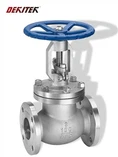
Before discussing flow characteristics, let's briefly understand what an electric actuator gate valve is. An electric actuator gate valve consists of a gate that moves perpendicular to the flow direction of the fluid to either block or allow passage. The electric actuator automates the opening and closing process, providing precise control over the valve's position.
Flow Characteristics Fundamentals
The flow characteristics of an electric actuator gate valve primarily relate to how the valve affects the flow rate of a fluid as it moves between fully open and fully closed positions. These characteristics are influenced by many factors, including the valve's design, the physical properties of the flowing fluid (such as viscosity and density), and the operating conditions (such as pressure and temperature).
One of the key factors in understanding flow characteristics is the valve's flow coefficient, often denoted as Cv. The flow coefficient is a numerical value that represents the amount of water (at 60°F) in US gallons per minute that will flow through a fully open valve with a pressure drop of 1 psi. A higher Cv value indicates a valve that allows more fluid to flow under the same pressure conditions.


Flow Behavior in Different Positions
- Fully Open Position: When the electric actuator gate valve is fully open, the gate is completely retracted into the valve bonnet, offering a straight - through flow path with minimal obstruction. This results in a high flow coefficient and low pressure drop across the valve. The fluid can flow freely, similar to how it would in an unobstructed pipe. This makes fully open electric actuator gate valves ideal for applications where high flow rates are required, such as in water distribution systems or large - scale industrial pipelines.
- Partially Open Position: When the valve is partially open, the gate restricts the flow area, causing the fluid to flow through a smaller opening. This creates a condition where the flow rate is reduced, and the pressure drop across the valve increases. In this state, the flow pattern becomes more complex. The fluid may experience turbulence as it passes around the edges of the gate, which can lead to noise and potential vibration. The flow characteristic in the partially open state can be described using a curve that relates the valve's position (percent open) to the flow rate. For electric actuator gate valves, this curve is often relatively linear at lower openings, but it may deviate at higher degrees of opening due to the complex interaction between the gate and the fluid.
- Fully Closed Position: In the fully closed position, the gate blocks the flow path completely, preventing any fluid from passing through. A well - designed electric actuator gate valve should provide a tight seal to prevent leakage, even under high - pressure conditions. This is crucial for applications where safety and environmental concerns demand zero leakage, such as in the transportation of hazardous chemicals.
Impact of Valve Design on Flow Characteristics
- Gate Shape: Different gate shapes can significantly affect the flow characteristics of an electric actuator gate valve. For example, a wedge - shaped gate can provide a better seal when closing, but it may also cause more turbulence in the partially open position compared to a parallel - slide gate. The wedge - shaped gate gradually narrows the flow path as it closes, which can create a more controlled shut - off but may also increase the pressure drop during partial opening.
- Seat Design: The design of the valve seats also plays an important role. A well - designed seat ensures a tight seal when the valve is closed and minimizes flow resistance when the valve is open. Some seats are designed to be self - cleaning, which helps maintain the valve's performance over time by preventing the buildup of debris that could otherwise affect the flow characteristics.
Applications and Their Flow Requirement
- Oil and Gas Industry: In the oil and gas industry, electric actuator gate valves are used in various applications, from upstream exploration to downstream refining. For pipeline transportation, where large volumes of oil or gas need to be moved efficiently, the valves need to have a high flow coefficient in the fully open position. In refineries, where precise control of process fluids is necessary, the valve's ability to provide accurate flow control in the partially open position is crucial.
- Power Generation: Power plants, whether they are coal - fired, nuclear, or hydroelectric, rely on electric actuator gate valves to control the flow of water, steam, and other fluids. In steam turbines, for example, the valves need to be able to handle high - pressure and high - temperature steam while providing reliable on - off control and, in some cases, precise flow regulation during startup and load - following operations.
Now, if you're interested in learning more about different types of gate valves, here are some useful links: Duplex Stainless Steel Gate Valve, Pneumatic Actuator Gate Valve, and Stainless Steel Pressure Seal Gate Valve.
Conclusion
Understanding the flow characteristics of an electric actuator gate valve is essential for proper valve selection and operation in industrial applications. Whether you need a valve for high - flow applications or precise flow control, considering factors such as the valve's flow coefficient, behavior in different positions, and design features will help you make an informed decision.
If you are in the market for high - quality electric actuator gate valves or have specific requirements regarding flow characteristics, I encourage you to reach out to discuss your procurement needs. Our team of experts is ready to provide you with the best solutions tailored to your industrial applications.
References
- "Valve Handbook", by Milton Beychok.
- "Flow of Fluids Through Valves, Fittings, and Pipe", Crane Technical Paper No. 410.
- Industry standards such as API 600, ASME B16.34 for gate valve design and performance.