


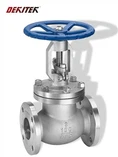

Maintaining a gate valve is crucial for ensuring its efficient and reliable operation over an extended period. As a leading gate valve supplier, we understand the significance of proper maintenance to keep these valves in optimal condition. In this blog, we will share some comprehensive tips on how to maintain a gate valve effectively.
Understanding the Basics of a Gate Valve
Before diving into maintenance, it's essential to have a basic understanding of gate valves. A gate valve is a linear motion valve used to start or stop the flow of fluid in a pipeline. It operates by raising or lowering a gate (a flat or wedge-shaped disc) to either allow or halt the passage of fluid. Gate valves are commonly used in various industries, including oil and gas, water treatment, power generation, and chemical processing.
Regular Inspections
Visual Inspections: Conduct regular visual inspections of the gate valve to check for any signs of damage, corrosion, or leakage. Inspect the valve body, bonnet, stem, and packing for any visible cracks, dents, or rust. Look for signs of fluid leakage around the valve connections or the stem packing. Early detection of these issues can prevent more significant problems down the line.
Operational Checks: Periodically operate the gate valve to ensure it opens and closes smoothly. Check for any excessive force required to operate the valve, which could indicate a problem such as a seized stem or a damaged gate. If the valve seems stiff or difficult to operate, it may need further investigation and maintenance.
Cleaning
External Cleaning: Clean the exterior of the gate valve regularly to remove dirt, debris, and other contaminants. Use a soft brush or a cloth to gently scrub the valve body and connections. Avoid using abrasive materials that could scratch the surface of the valve. For stubborn dirt or corrosion, a mild detergent solution can be used. Rinse the valve thoroughly with clean water and dry it to prevent rust.
Internal Cleaning: In some cases, it may be necessary to clean the internal components of the gate valve. This is typically done during major maintenance or when the valve has been exposed to dirty or corrosive fluids. Follow the manufacturer's instructions for disassembling the valve and use an appropriate cleaning agent to remove any deposits from the gate, seat, and other internal parts. Make sure to rinse all components thoroughly and dry them before reassembling the valve.
Lubrication
Proper lubrication is essential for the smooth operation of a gate valve. Lubricate the stem and other moving parts of the valve at regular intervals as recommended by the manufacturer. Use a high-quality lubricant suitable for the specific operating conditions of the valve, such as high temperature or corrosive environments. Apply the lubricant evenly to prevent excessive wear and friction, which can lead to premature failure of the valve.
Packing Maintenance
The packing of a gate valve plays a crucial role in preventing fluid leakage around the stem. Over time, the packing may wear out or become damaged, resulting in leakage. Regularly inspect the packing for signs of wear, such as excessive leakage or a loss of lubrication. If the packing needs to be replaced, follow the manufacturer's instructions for proper packing replacement. Make sure to use the correct type and size of packing material for the valve.
Valve Seat Maintenance
The valve seat is where the gate makes contact with the valve body to stop the flow of fluid. Over time, the seat can become worn or damaged, leading to leaks. Inspect the valve seat regularly for signs of wear, erosion, or corrosion. If the seat is damaged, it may need to be repaired or replaced. In some cases, the seat can be machined to restore its smooth surface. However, in more severe cases, a new seat may need to be installed.
Handling and Storage
Proper handling and storage of gate valves are also important for their maintenance. When handling the valve, avoid dropping or subjecting it to excessive force, as this can cause damage to the internal components. Store the valve in a dry, clean environment to prevent corrosion. If the valve needs to be stored for an extended period, it is recommended to lubricate the moving parts and protect the valve with a suitable coating or cover.
Special Considerations for Different Types of Gate Valves
Duplex Stainless Steel Gate Valve: Duplex Stainless Steel Gate Valve are known for their high strength and excellent corrosion resistance. When maintaining these valves, it's important to use cleaning agents and lubricants that are compatible with duplex stainless steel to avoid any chemical reactions that could damage the material. Additionally, regular inspections for signs of pitting or crevice corrosion are crucial, especially in harsh environments.
High Pressure And High Temperature Gate Valves: High Pressure And High Temperature Gate Valves operate under extreme conditions, which can put additional stress on the valve components. These valves require more frequent inspections and maintenance to ensure their safety and reliability. Check the valve body for any signs of thermal expansion or deformation, and make sure the packing and seals are able to withstand the high pressure and temperature.
Electric Actuator Gate Valve: Electric Actuator Gate Valve require specific maintenance for the electric actuator in addition to the valve itself. Regularly check the electrical connections for any signs of damage or loose wires. Inspect the actuator motor and gears for proper operation and lubrication. Follow the manufacturer's instructions for calibrating and testing the actuator to ensure accurate valve control.
Conclusion
Proper maintenance of gate valves is essential for their long-term performance and reliability. By following the tips outlined in this blog, you can significantly extend the lifespan of your gate valves and minimize the risk of costly breakdowns and repairs. As a gate valve supplier, we are committed to providing high-quality valves and offering professional advice on valve maintenance. If you have any questions or need assistance with gate valve maintenance or procurement, please do not hesitate to contact us. We look forward to helping you find the best solutions for your valve needs.


References
- Valve Handbook, Emerson Process Management
- ASME B16.34 - Valves - Flanged, Threaded, and Welding End
- API 600 - Steel Gate Valves - Flanged and Butt - Welding Ends for Petroleum, Petrochemical, and Allied Industries