


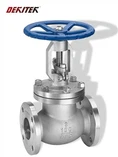

Hey there! If you're in the market for high - quality industrial valves, you've probably come across forged floating soft seated ball valves. I'm a supplier of these amazing valves, and today, I'm gonna share with you how to adjust the valve seat compression of a forged floating soft seated ball valve.
Understanding the Basics
First off, let's understand what a forged floating soft seated ball valve is all about. This type of valve is commonly used in various industries like oil and gas, chemical processing, and water treatment. The "floating" part means that the ball isn't fixed in place but can move slightly to seal against the seats. The "soft seat" is made of materials like PTFE or NBR, which gives a tight seal and low torque operation.
The valve seat compression is crucial because it determines the sealing performance of the valve. Too little compression, and you'll have leaks. Too much compression, and you might damage the seat or increase the operating torque, making it harder to open and close the valve.
Tools You'll Need
Before you start adjusting the valve seat compression, you'll need a few tools. A torque wrench is essential for getting the right amount of force. You'll also need a set of wrenches to remove and reinstall the valve components. A feeler gauge can come in handy to measure the clearance between the ball and the seat. And don't forget about safety equipment like gloves and safety glasses.
Step - by - Step Guide to Adjusting Valve Seat Compression
Step 1: Prepare the Valve
First, make sure the valve is isolated from the system. Close the inlet and outlet valves and drain any remaining fluid in the valve. This is a safety measure to prevent any accidents or fluid spills during the adjustment process.
Step 2: Disassemble the Valve
Use your wrenches to remove the bonnet or the end - caps of the valve. Carefully take out the ball and the seats. Be gentle because the soft seats can be easily damaged. Keep track of all the components so you can put them back in the right order.
Step 3: Inspect the Components
Once you've disassembled the valve, take a good look at the ball and the seats. Check for any signs of wear, scratches, or damage. If the seats are worn out, it's a good idea to replace them before adjusting the compression. A damaged seat won't seal properly, no matter how much you adjust the compression.
Step 4: Measure the Clearance
Use a feeler gauge to measure the clearance between the ball and the seat. This will give you a baseline for the adjustment. The ideal clearance depends on the valve size and the application, but generally, it should be within the manufacturer's specifications.
Step 5: Adjust the Compression
Now, it's time to adjust the valve seat compression. You can do this by adding or removing shims between the seat and the valve body. If you want to increase the compression, add a shim. If you need to decrease it, remove a shim.
When you're adding or removing shims, make sure to do it evenly on both sides of the valve. This ensures that the ball is centered and the sealing force is distributed evenly.
After making the shim adjustments, reassemble the valve. Use the torque wrench to tighten the bonnet or the end - caps to the recommended torque value. Over - tightening can cause damage to the valve, so follow the manufacturer's guidelines.
Step 6: Test the Valve
Once the valve is reassembled, it's time to test it. Slowly open and close the valve a few times to make sure it operates smoothly. Check for any leaks around the valve body, bonnet, or the connections. If you notice any leaks, you may need to readjust the seat compression.
Common Mistakes to Avoid
One of the most common mistakes is over - tightening the valve components. This can lead to excessive compression, damage to the soft seats, and increased operating torque. Always use a torque wrench and follow the recommended torque values.
Another mistake is not inspecting the components thoroughly before reassembling the valve. A worn or damaged seat won't seal properly, even if the compression is adjusted correctly. So, take the time to check every part.
Other Types of Valves
If you're interested in other types of valves, we also supply Trunnion Mounted Metal Seated Ball Valve and Forged Floating Metal Seated Ball Valve. These valves are designed for more demanding applications where high pressure and high temperature are involved. And for applications that require a more permanent and leak - proof solution, we have Fully Welded Ball Valve.
Conclusion
Adjusting the valve seat compression of a forged floating soft seated ball valve is not a difficult task if you follow the right steps. It's all about understanding the basics, using the right tools, and being careful during the process.
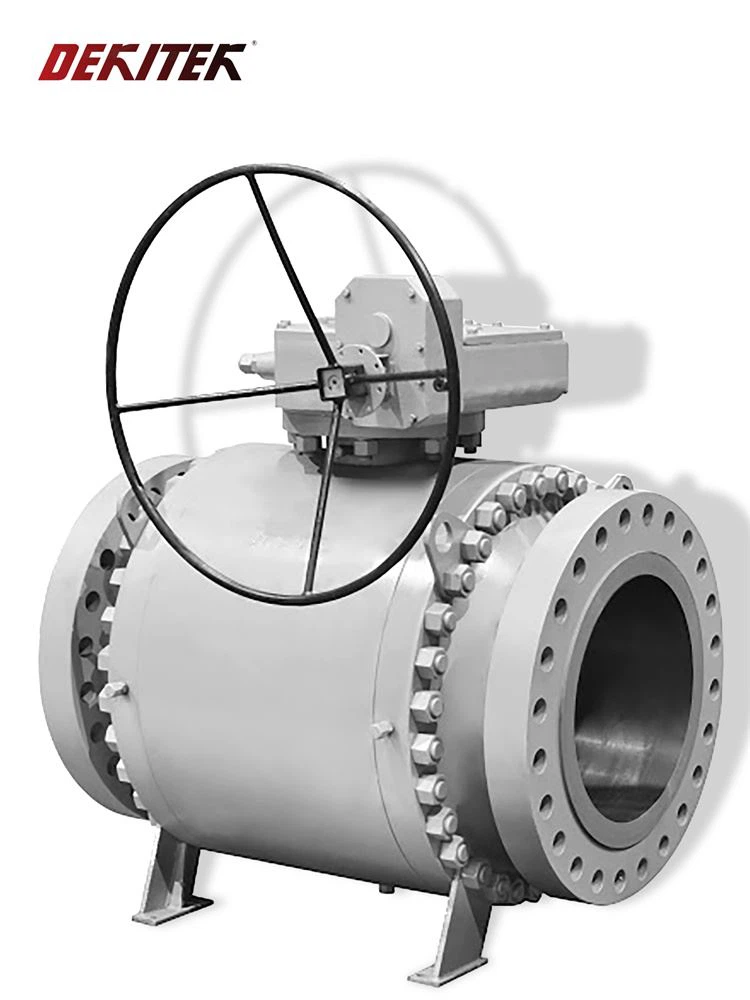

If you're in need of forged floating soft seated ball valves or any of our other valve products, don't hesitate to reach out. We're here to help you find the perfect valve for your application and provide you with all the support you need for installation and maintenance.
References
- Industrial Valve Handbook
- Manufacturer's Manuals for Forged Floating Soft Seated Ball Valves