



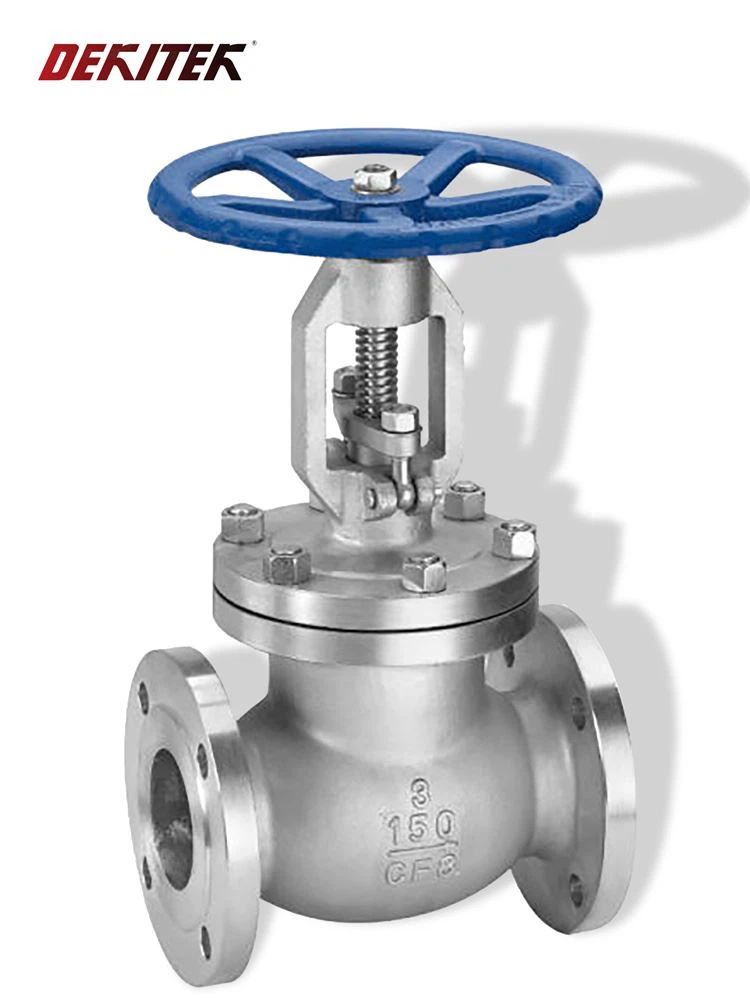
As a supplier of Stainless Steel Globe Valves, I've been in the industry long enough to understand the importance of performance testing. It's not just about making sure the valve works; it's about ensuring it works well under various conditions. In this post, I'll share some practical ways to test the performance of a stainless steel globe valve.
1. Visual Inspection
Before we dive into the more technical tests, a simple visual inspection can tell you a lot. Check the valve body for any signs of damage, like cracks or dents. Look at the connections to make sure they're properly aligned and there are no loose parts. A damaged valve might not perform as expected, so this initial check is crucial.
When it comes to the finish of the valve, a high - quality stainless steel globe valve should have a smooth surface. Rough patches could indicate poor manufacturing or corrosion. And don't forget to examine the valve stem. It should move freely without any binding. If it's stuck, it could be a sign of internal damage or debris inside the valve.
2. Pressure Testing
One of the most important performance tests for a stainless steel globe valve is pressure testing. You can use a pressure testing machine to apply different levels of pressure to the valve. Start with a low pressure and gradually increase it to the maximum rated pressure of the valve.
During the test, monitor for any leaks. Leaks can occur at the valve seat, the packing gland, or the connections. Even a small leak can lead to significant problems over time, such as reduced efficiency or system failure.
If you're testing a Stainless Steel Globe Valve, make sure to follow the manufacturer's guidelines for pressure testing. Different valves have different pressure ratings, and exceeding these ratings can cause permanent damage to the valve.
3. Flow Testing
Another key aspect of performance is the valve's ability to control the flow of fluid. You can conduct a flow test by measuring the flow rate of the fluid through the valve at different openings. Use a flow meter to accurately measure the flow.
Open the valve fully and record the flow rate. Then, gradually close the valve in increments and record the corresponding flow rates. This will give you an idea of how well the valve can regulate the flow. A good stainless steel globe valve should be able to provide precise flow control across a wide range of openings.
4. Temperature Testing
Stainless steel globe valves are often used in applications where the temperature can vary significantly. So, it's important to test the valve's performance at different temperatures. You can use a temperature - controlled chamber to simulate different temperature conditions.
Start by testing the valve at room temperature. Then, increase or decrease the temperature and repeat the pressure and flow tests. Some valves might experience changes in their performance characteristics at extreme temperatures, such as increased leakage or reduced flow control.
5. Cycle Testing
A valve needs to be able to open and close repeatedly without any issues. Cycle testing involves opening and closing the valve a large number of times to check its durability. You can use an automated system to perform this test.
Set the system to open and close the valve at a specific frequency. Monitor the valve during the test for any signs of wear or damage. After a certain number of cycles, conduct a pressure and flow test again to see if the valve's performance has been affected.
6. Material Testing
The quality of the stainless steel used in the valve can have a big impact on its performance. You can perform material testing to ensure that the valve is made of high - quality stainless steel.
One common method is chemical analysis. This involves analyzing the chemical composition of the stainless steel to make sure it meets the required standards. You can also perform hardness testing to check the strength of the material.
7. Cavitation Testing
In some applications, cavitation can be a problem for stainless steel globe valves. Cavitation occurs when the pressure of the fluid drops below its vapor pressure, causing bubbles to form and collapse. This can lead to erosion and damage to the valve.
To test for cavitation, you can use a high - speed camera to observe the flow of fluid through the valve. Look for signs of bubble formation and collapse. You can also listen for any unusual noises, as cavitation often produces a distinct popping or cracking sound.
8. Noise and Vibration Testing
Excessive noise and vibration can indicate problems with the valve's performance. You can use a sound level meter to measure the noise level generated by the valve during operation. If the noise level is too high, it could be a sign of cavitation, improper installation, or other issues.
Similarly, you can use vibration sensors to measure the vibration of the valve. High levels of vibration can cause wear and tear on the valve and its components, leading to premature failure.
Conclusion
Testing the performance of a stainless steel globe valve is a comprehensive process that involves multiple tests. By conducting these tests, you can ensure that the valve meets the required standards and will perform well in its intended application.
If you're in the market for high - quality Stainless Steel Globe Valves, Duplex Steel Globe Valve, or Alloy Steel Globe Valve, feel free to reach out to us for more information and to discuss your specific requirements. We're here to help you find the best valve solutions for your needs.

References
- ASME B16.34 - Valves - Flanged, Threaded, and Welded End
- API 602 - Compact Steel Gate Valves for Petroleum and Natural Gas Industries
- ISO 5208 - Industrial Valves - Pressure Testing of Valves