



Hey there! As a supplier of Alloy Steel Globe Valves, I often get asked about the differences between single - seat and double - seat Alloy Steel Globe Valves. So, let's dive right in and break it down.
Basics of Globe Valves
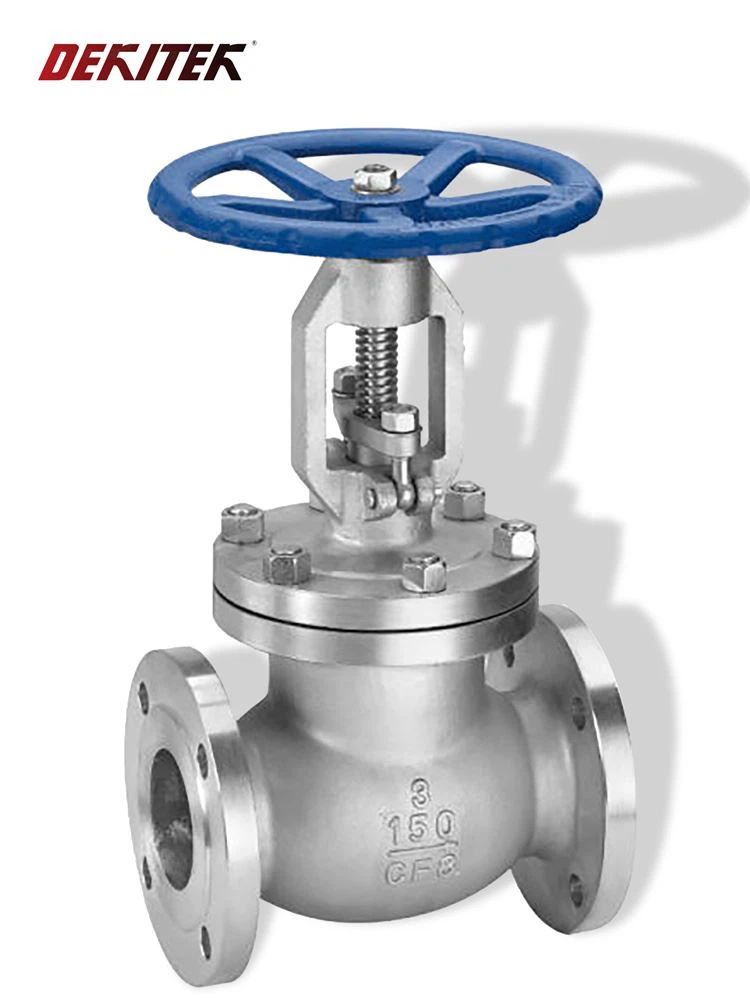
First off, for those who might not be super familiar, globe valves are a type of valve used to regulate the flow of a fluid through a pipeline. They're pretty common in a whole bunch of industries, like oil and gas, chemical processing, and power generation. Alloy steel globe valves, in particular, are known for their durability and resistance to corrosion and high temperatures. That's why they're so popular in tough industrial environments.
Single - Seat Alloy Steel Globe Valves
Let's start with single - seat globe valves. These are the more straightforward option. In a single - seat valve, there's just one disc that interacts with the valve seat to control the flow of fluid. When the valve is opened, the disc moves away from the seat, allowing fluid to pass through. When it's closed, the disc presses against the seat, blocking the flow.
One of the big advantages of single - seat valves is their tight shut - off. Since there's only one disc - seat interface, it's easier to achieve a perfect seal. This is crucial in applications where you can't afford any leakage, like in high - pressure systems or when dealing with hazardous fluids. For example, in a chemical plant where a small leak of a toxic chemical could be a huge safety risk, a single - seat alloy steel globe valve would be a great choice.
Another plus is their simplicity. With fewer parts, single - seat valves are generally easier to maintain. If something goes wrong, it's usually quicker and cheaper to diagnose and fix the problem. You don't have to worry about multiple discs and seats getting out of alignment or wearing unevenly.
However, single - seat valves do have their drawbacks. They tend to have higher flow resistance compared to double - seat valves. The design of the single disc and seat can cause the fluid to change direction more abruptly as it passes through the valve, which creates more turbulence and reduces the overall flow rate. This means that if you need a valve that can handle a large volume of fluid quickly, a single - seat valve might not be the best option.
Double - Seat Alloy Steel Globe Valves
Now, let's talk about double - seat globe valves. As the name suggests, these valves have two discs and two seats. The discs are connected to a common stem, and they move together to control the flow. When the valve is opened, both discs move away from their respective seats, allowing fluid to flow through.
The main advantage of double - seat valves is their low flow resistance. Because there are two flow paths, the fluid can pass through the valve more smoothly and with less turbulence. This makes them ideal for applications where a high flow rate is required, such as in large - scale water supply systems or in some parts of a power plant where a large volume of steam needs to be regulated.
Double - seat valves also tend to be more balanced. The forces acting on the two discs tend to cancel each other out, which means that less force is required to open and close the valve. This can be a big advantage in applications where the valve needs to be operated frequently or where the available actuation force is limited.
But double - seat valves aren't perfect. One of the biggest challenges with them is achieving a tight shut - off. Since there are two disc - seat interfaces, it's more difficult to ensure that both discs make a perfect seal against their seats. This can lead to some leakage, especially over time as the seats and discs wear. In applications where zero leakage is a must, this can be a deal - breaker.
Another issue is that double - seat valves are more complex than single - seat valves. With more parts, there's a greater chance of something going wrong. Maintenance can be more challenging and expensive, as you have to deal with multiple discs, seats, and their alignment.
Applications
Let's look at some specific applications where single - seat and double - seat alloy steel globe valves are commonly used.
Single - Seat Valve Applications:
- High - Pressure Systems: As mentioned earlier, single - seat valves are great for high - pressure applications because of their tight shut - off. In oil and gas pipelines where the pressure can be extremely high, a single - seat alloy steel globe valve can ensure that there are no leaks that could lead to dangerous situations.
- Hazardous Fluid Handling: When dealing with toxic, flammable, or corrosive fluids, a single - seat valve's ability to provide a tight seal is crucial. Chemical plants and refineries often use single - seat valves to handle these types of fluids safely.
Double - Seat Valve Applications:
- Large - Scale Fluid Transport: In water treatment plants or large - scale industrial processes where a high volume of fluid needs to be moved quickly, double - seat valves are a popular choice. Their low flow resistance allows for efficient fluid transfer.
- Power Generation: In power plants, especially in steam systems, double - seat valves are used to regulate the flow of steam. The balanced design and low flow resistance make them suitable for this high - volume, high - energy application.
Comparison with Other Types of Globe Valves
It's also worth comparing single - seat and double - seat alloy steel globe valves with other types of globe valves, like Cast Steel Globe Valve, Stainless Steel Globe Valve, and Duplex Steel Globe Valve.
Cast steel globe valves are generally more cost - effective but may not have the same level of corrosion resistance as alloy steel valves. Stainless steel globe valves are known for their excellent corrosion resistance, which makes them suitable for applications in harsh environments, such as in the food and beverage industry or in marine applications. Duplex steel globe valves offer a combination of high strength and good corrosion resistance, making them a great choice for demanding applications.
However, when it comes to the choice between single - seat and double - seat, the same basic principles apply regardless of the material. Single - seat valves offer better shut - off, while double - seat valves offer lower flow resistance.
Making the Right Choice
So, how do you decide whether to go for a single - seat or double - seat alloy steel globe valve? Well, it all comes down to your specific application requirements. If tight shut - off is your top priority, then a single - seat valve is probably the way to go. On the other hand, if you need a valve that can handle a large volume of fluid with low resistance, then a double - seat valve would be more suitable.
It's also important to consider factors like maintenance costs, the frequency of operation, and the available actuation force. And of course, you should always consult with a valve expert or supplier to get the best advice for your particular situation.
Contact for Purchase
If you're in the market for alloy steel globe valves, whether single - seat or double - seat, I'm here to help. I've got a wide range of high - quality valves that are designed to meet the toughest industrial standards. Whether you need a valve for a small - scale project or a large - scale industrial application, I can provide you with the right solution. So, reach out to me, and let's start a conversation about your valve needs.
References
- Valve Handbook, 4th Edition by J. S. Tippetts
- Industrial Valves: Selection and Sizing by E. W. Obert
- Handbook of Valves by R. K. Sinha