


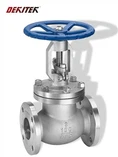

Installing a fully welded ball valve in a high - altitude area comes with its own set of unique challenges and considerations. As a reputable supplier of fully welded ball valves, I have witnessed firsthand the importance of proper installation procedures in these demanding environments. In this blog, I will share some essential steps and tips on how to install a fully welded ball valve in a high - altitude area.
Understanding the High - Altitude Environment
High - altitude areas are characterized by lower atmospheric pressure, lower oxygen levels, and often extreme temperature variations. These factors can significantly impact the installation process and the performance of the fully welded ball valve. For example, the lower atmospheric pressure can affect the welding process, and the temperature variations can cause expansion and contraction of the valve components.
Pre - installation Preparations
Site Inspection
Before starting the installation, a thorough site inspection is crucial. This includes assessing the terrain, ensuring proper access to the installation site, and checking for any potential hazards. High - altitude areas may have difficult terrain, such as steep slopes or rocky ground, which can make the installation more challenging. Make sure that the site is level and stable enough to support the weight of the valve and the associated piping.
Valve Selection
Selecting the right fully welded ball valve for the high - altitude application is essential. Consider factors such as the operating pressure, temperature range, and the type of fluid being transported. Our Fully Welded Ball Valve is designed to withstand the harsh conditions of high - altitude environments, with features such as high - strength materials and excellent sealing performance.
Material and Tool Preparation
Gather all the necessary materials and tools for the installation. This includes the valve itself, piping, gaskets, welding equipment, and measuring tools. Ensure that all materials are of high quality and suitable for use in high - altitude conditions. For example, the gaskets should be able to withstand the temperature variations and the lower atmospheric pressure.
Installation Steps
Piping Alignment
Proper piping alignment is the first step in the installation process. Ensure that the piping is cut to the correct length and beveled according to the welding requirements. Use a pipe alignment tool to ensure that the pipes are perfectly aligned with the valve ports. Misalignment can lead to stress on the valve and cause leaks or premature failure.
Welding
Welding is a critical step in installing a fully welded ball valve. In high - altitude areas, the lower atmospheric pressure can affect the welding process. It is important to adjust the welding parameters accordingly. Use a welding process that is suitable for the valve material, such as TIG (Tungsten Inert Gas) welding or MIG (Metal Inert Gas) welding. Our technical team can provide detailed welding instructions based on the specific valve model.
During the welding process, ensure that the welding area is clean and free of any contaminants. Protect the valve from excessive heat and ensure that the welding is performed in a controlled environment. After welding, perform a non - destructive testing, such as X - ray or ultrasonic testing, to check for any welding defects.
Valve Installation
Once the piping is welded, carefully install the fully welded ball valve. Use a crane or other lifting equipment to position the valve in place. Make sure that the valve is properly seated and tightened according to the manufacturer's specifications. Use a torque wrench to ensure that the bolts are tightened to the correct torque value.
Testing
After the valve is installed, perform a series of tests to ensure its proper operation. This includes a pressure test to check for leaks and a functional test to verify that the valve can open and close smoothly. In high - altitude areas, the test pressure may need to be adjusted to account for the lower atmospheric pressure.
Post - installation Considerations
Insulation
In high - altitude areas, temperature variations can be extreme. Consider insulating the valve and the associated piping to prevent freezing and to maintain a stable operating temperature. Insulation materials should be selected based on the temperature range and the environmental conditions.
Monitoring
Regularly monitor the valve's performance after installation. Check for any signs of leaks, abnormal noise, or changes in operating parameters. High - altitude environments can be unpredictable, and early detection of problems can prevent costly repairs and downtime.
Conclusion
Installing a fully welded ball valve in a high - altitude area requires careful planning, proper valve selection, and precise installation techniques. By following the steps outlined in this blog, you can ensure a successful installation and long - term performance of the valve.
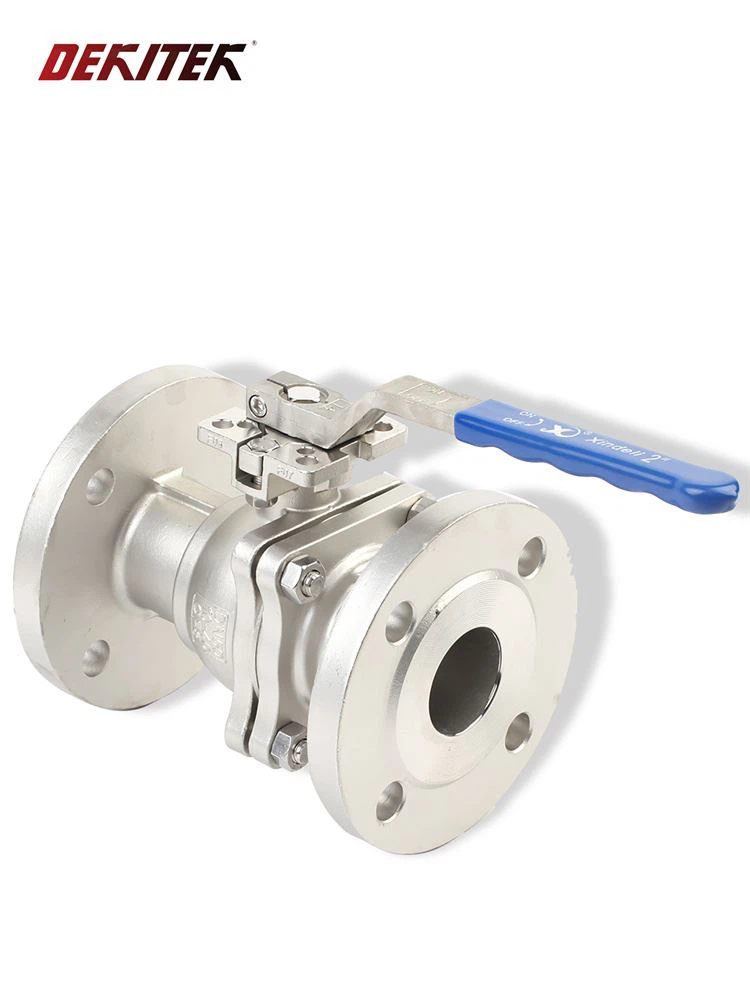
As a leading supplier of fully welded ball valves, we offer a wide range of products, including Cast Steel Soft Seated Floating Ball Valve and Trunnion Mounted Soft Seated Ball Valve. Our valves are designed to meet the highest quality standards and are suitable for various high - altitude applications.
If you are interested in purchasing fully welded ball valves or need more information about installation in high - altitude areas, please feel free to contact us for procurement negotiations. We are committed to providing you with the best products and services.
References
- "Valve Installation and Maintenance Handbook", Industrial Valve Association
- "High - Altitude Engineering Considerations", Engineering Journal of High - Altitude Applications