



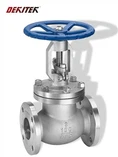

As a trusted supplier of Duplex Steel Globe Valve, I've had the privilege of delving deep into the intricate world of these valves. In this blog post, I'll be sharing a comprehensive overview of the sealing mechanisms of a duplex steel globe valve, shedding light on the technology that ensures their reliability and efficiency.
Understanding the Basics of a Duplex Steel Globe Valve
Before we dive into the sealing mechanisms, let's first understand what a duplex steel globe valve is. A globe valve is a type of valve used for regulating flow in a pipeline. It consists of a movable disk-type element and a stationary ring seat in a generally spherical body. The name "globe" comes from the shape of the valve body, which resembles a globe.
Duplex steel, on the other hand, is a type of stainless steel that combines the properties of austenitic and ferritic steels. It offers high strength, excellent corrosion resistance, and good weldability, making it an ideal material for applications in harsh environments, such as the oil and gas, chemical, and marine industries.
The Importance of Sealing in Globe Valves
Sealing is a critical aspect of any valve, as it ensures that the valve can effectively control the flow of fluid and prevent leakage. In a globe valve, the sealing mechanism is responsible for creating a tight seal between the disk and the seat when the valve is closed, and for allowing smooth movement of the disk when the valve is open.
A proper sealing mechanism not only ensures the safety and efficiency of the pipeline system but also reduces maintenance costs and extends the service life of the valve. Therefore, understanding the different types of sealing mechanisms used in duplex steel globe valves is essential for anyone involved in the selection, installation, or maintenance of these valves.
Types of Sealing Mechanisms in Duplex Steel Globe Valves
1. Metal-to-Metal Sealing
Metal-to-metal sealing is one of the most common sealing mechanisms used in duplex steel globe valves. In this type of sealing, the disk and the seat are made of metal, and they come into direct contact with each other when the valve is closed. The tight fit between the metal surfaces creates a seal that can withstand high pressures and temperatures.
The advantage of metal-to-metal sealing is its durability and reliability. It can handle abrasive and corrosive fluids without being damaged easily. However, it may require a higher operating torque to achieve a proper seal, and it may not provide a perfect seal in all conditions.
2. Soft Sealing
Soft sealing involves the use of a soft material, such as rubber or PTFE (polytetrafluoroethylene), to create a seal between the disk and the seat. The soft material is usually installed on the disk or the seat, and it deforms slightly when the valve is closed, creating a tight seal.
Soft sealing offers several advantages over metal-to-metal sealing. It provides a better seal at lower pressures, requires less operating torque, and can be used with a wider range of fluids. However, soft materials may not be suitable for high-temperature or high-pressure applications, as they can degrade or melt under extreme conditions.
3. Hybrid Sealing
Hybrid sealing combines the advantages of both metal-to-metal and soft sealing. In a hybrid sealing mechanism, a soft material is used in conjunction with a metal seat to create a more effective seal. The metal seat provides the strength and durability, while the soft material enhances the sealing performance by filling in any small gaps or irregularities between the disk and the seat.
Hybrid sealing is often used in applications where a high degree of sealing performance is required, such as in the food and beverage, pharmaceutical, and semiconductor industries. It offers a good balance between durability and sealing efficiency.
Factors Affecting the Sealing Performance of Duplex Steel Globe Valves
1. Material Selection
The choice of materials for the disk and the seat is crucial for the sealing performance of a duplex steel globe valve. The materials should be compatible with the fluid being handled, as well as the operating conditions, such as temperature and pressure.
For example, in applications where the fluid is highly corrosive, a duplex steel with a high chromium and molybdenum content may be used for the disk and the seat. In applications where the temperature is high, a material with good heat resistance, such as Inconel or Hastelloy, may be selected.
2. Surface Finish
The surface finish of the disk and the seat also plays an important role in the sealing performance. A smooth surface finish can reduce friction and wear, and it can help to create a better seal. Therefore, the disk and the seat are usually machined to a high surface finish to ensure optimal sealing performance.


3. Installation and Maintenance
Proper installation and maintenance are essential for the long-term sealing performance of a duplex steel globe valve. During installation, the valve should be aligned correctly, and the bolts should be tightened to the specified torque. Any misalignment or over-tightening can cause damage to the sealing surfaces and affect the sealing performance.
Regular maintenance, such as cleaning, lubrication, and inspection, can also help to ensure that the valve is operating properly and that the sealing mechanism is in good condition. Any signs of wear or damage should be addressed promptly to prevent leakage.
Comparison with Other Types of Globe Valves
When comparing duplex steel globe valves with other types of globe valves, such as Cast Steel Globe Valve and Cast Steel Globe Valve, the sealing mechanisms may vary slightly.
Cast steel globe valves are typically made of carbon steel or alloy steel, and they may use different sealing materials and designs. While they are generally less expensive than duplex steel globe valves, they may not offer the same level of corrosion resistance and durability.
On the other hand, duplex steel globe valves are specifically designed for applications where high strength, corrosion resistance, and excellent sealing performance are required. They are often used in more demanding industries, such as the oil and gas and chemical industries.
Conclusion
In conclusion, the sealing mechanism is a crucial part of a duplex steel globe valve, as it determines the valve's ability to control the flow of fluid and prevent leakage. There are several types of sealing mechanisms available, each with its own advantages and disadvantages.
When selecting a duplex steel globe valve, it is important to consider the specific requirements of the application, such as the type of fluid, the operating conditions, and the desired level of sealing performance. By choosing the right sealing mechanism and ensuring proper installation and maintenance, you can ensure the long-term reliability and efficiency of your pipeline system.
If you are in the market for high-quality duplex steel globe valves or need more information about their sealing mechanisms, please feel free to contact us. Our team of experts is always ready to assist you in finding the best valve solutions for your needs.
References
- Valve Handbook, by Robert W. McKetta
- Sealing Technology in Valves, by John R. Cameron
- Duplex Stainless Steels: Properties, Applications, and Welding, by K. J. Irvine