


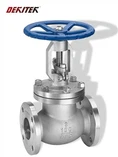

As a trusted supplier of Alloy Steel Globe Valves, I've witnessed firsthand the critical role that each component plays in the overall performance of these essential industrial devices. Among these components, the valve disc stands out as a key player, influencing everything from flow control to the longevity of the valve itself. In this blog, I'll delve into the multifaceted role of the valve disc in an Alloy Steel Globe Valve, shedding light on its importance and how it contributes to the valve's functionality.
Flow Regulation
At its core, the primary function of an Alloy Steel Globe Valve is to regulate the flow of fluids through a pipeline. The valve disc is the component that directly controls this flow. When the valve is opened, the disc is lifted off its seat, allowing fluid to pass through the valve. Conversely, when the valve is closed, the disc is pressed against the seat, blocking the flow.
The design of the valve disc significantly impacts the flow characteristics of the valve. For instance, a disc with a streamlined shape can minimize turbulence and pressure drop as the fluid passes through the valve. This is particularly important in applications where maintaining a consistent flow rate and pressure is crucial, such as in chemical processing plants or power generation facilities.
In addition to controlling the overall flow, the valve disc also enables precise flow modulation. By adjusting the position of the disc relative to the seat, operators can fine-tune the amount of fluid passing through the valve. This level of control is essential in applications where accurate flow regulation is required, such as in water treatment plants or pharmaceutical manufacturing.
Sealing Function
Another critical role of the valve disc is to provide a reliable seal when the valve is closed. A proper seal prevents leakage of the fluid, which is not only important for safety reasons but also for maintaining the efficiency of the system. In an Alloy Steel Globe Valve, the valve disc is designed to form a tight seal against the valve seat, ensuring that no fluid can pass through when the valve is in the closed position.


The sealing performance of the valve disc depends on several factors, including the material of the disc and seat, the surface finish of the sealing surfaces, and the force applied to the disc. Alloy steel is a popular choice for valve discs due to its excellent corrosion resistance, high strength, and durability. These properties make it suitable for use in a wide range of applications, including those involving corrosive fluids or high-pressure environments.
To ensure a reliable seal, the sealing surfaces of the valve disc and seat are often machined to a high degree of precision. This helps to eliminate any irregularities or imperfections that could compromise the seal. Additionally, some valve discs are designed with special sealing features, such as elastomeric seals or metal-to-metal seals, to enhance the sealing performance.
Resistance to Wear and Erosion
In many industrial applications, the valve disc is exposed to harsh operating conditions, including high pressures, high temperatures, and abrasive fluids. These conditions can cause wear and erosion of the valve disc over time, which can lead to reduced performance and eventually failure of the valve.
Alloy steel valve discs are designed to withstand these challenging conditions. The high strength and hardness of alloy steel make it resistant to wear and erosion, ensuring that the valve disc can maintain its performance over an extended period of time. Additionally, some alloy steels are specifically formulated to have excellent corrosion resistance, which further enhances the durability of the valve disc in corrosive environments.
To further improve the wear and erosion resistance of the valve disc, surface treatments such as hardening or coating can be applied. These treatments can increase the hardness and smoothness of the sealing surfaces, reducing the friction and wear between the disc and seat. They can also provide an additional layer of protection against corrosion, extending the lifespan of the valve disc.
Compatibility with Different Fluids
Alloy Steel Globe Valves are used in a wide variety of applications, each involving different types of fluids. The valve disc must be compatible with the fluid being transported to ensure its proper functioning and longevity. Alloy steel offers excellent compatibility with a wide range of fluids, including water, oil, gas, and various chemicals.
The corrosion resistance of alloy steel makes it suitable for use with corrosive fluids, such as acids, alkalis, and saltwater. This allows the valve disc to maintain its integrity and performance even in the presence of corrosive substances. Additionally, alloy steel is resistant to the effects of high temperatures and pressures, making it suitable for use in applications where these conditions are present.
However, it's important to note that the compatibility of the valve disc with a particular fluid also depends on other factors, such as the temperature, pressure, and concentration of the fluid. In some cases, additional measures may be required to ensure the compatibility of the valve disc with the fluid, such as using a special coating or selecting a different grade of alloy steel.
Influence on Valve Performance and Longevity
The valve disc has a significant impact on the overall performance and longevity of an Alloy Steel Globe Valve. A well-designed valve disc can improve the flow characteristics, sealing performance, and wear resistance of the valve, resulting in a more efficient and reliable operation.
On the other hand, a poorly designed or damaged valve disc can lead to a variety of problems, including leakage, reduced flow control, and premature failure of the valve. For example, if the valve disc is not properly seated or if the sealing surfaces are damaged, it can cause leakage of the fluid, which can compromise the safety and efficiency of the system.
Regular maintenance and inspection of the valve disc are essential to ensure its proper functioning and to detect any potential issues early on. This includes checking the condition of the sealing surfaces, the alignment of the disc, and the operation of the valve actuator. By taking these steps, operators can extend the lifespan of the valve and minimize the risk of costly downtime and repairs.
Conclusion
In conclusion, the valve disc plays a crucial role in the operation of an Alloy Steel Globe Valve. It is responsible for regulating the flow of fluids, providing a reliable seal, resisting wear and erosion, and ensuring compatibility with different fluids. A well-designed and properly maintained valve disc is essential for the efficient and reliable performance of the valve.
As a supplier of Alloy Steel Globe Valves, we understand the importance of providing high-quality valve discs that meet the specific needs of our customers. We offer a wide range of valve discs made from different grades of alloy steel, each designed to provide optimal performance in a variety of applications. Whether you're looking for a valve disc for a new installation or a replacement part for an existing valve, we can help you find the right solution.
If you're interested in learning more about our Alloy Steel Globe Valves or have any questions about the role of the valve disc, please don't hesitate to [Contact us for procurement and negotiation]. We'd be happy to discuss your requirements and provide you with the information you need to make an informed decision.
References
- ASME B16.34 - Valves - Flanged, Threaded, and Welded End
- API 602 - Compact Steel Gate Valves
- ISO 5208 - Industrial valves - Pressure testing of valves