



In the industrial valve market, the triple offset lug type butterfly valve stands out for its exceptional performance in various applications. As a leading supplier of this type of valve, I am often asked about its anti - vibration design. In this blog, I will delve into the details of what the anti - vibration design of a triple offset lug type butterfly valve entails.
Understanding the Basics of Triple Offset Lug Type Butterfly Valves
Before discussing the anti - vibration design, it's essential to understand the basic structure and working principle of triple offset lug type butterfly valves. These valves are characterized by three offsets: the shaft is offset from the center of the disc, the center of the disc is offset from the pipeline centerline, and the seating cone is offset from the center of the bore. This unique design allows for a metal - to - metal seal, which provides excellent sealing performance, even in high - pressure and high - temperature applications.
The lug type design means that the valve has threaded inserts on its body, which allows it to be bolted between two flanges in a pipeline. This type of installation provides a stable connection and is suitable for applications where the valve may need to be removed or replaced without disturbing the entire pipeline.
The Importance of Anti - Vibration Design
Vibration in industrial pipelines can cause a variety of problems. It can lead to premature wear and tear of valve components, such as the disc, seat, and stem. Over time, this can result in leakage, reduced valve performance, and even complete valve failure. In addition, vibration can generate noise, which is not only a nuisance but can also pose a health risk to workers in the vicinity.
Therefore, an effective anti - vibration design is crucial for the reliable operation of triple offset lug type butterfly valves. It helps to extend the service life of the valve, reduce maintenance costs, and ensure the safety and efficiency of the entire pipeline system.
Key Elements of the Anti - Vibration Design
Structural Design
The structural design of the triple offset lug type butterfly valve plays a vital role in its anti - vibration performance. The valve body is typically made of high - strength materials, such as stainless steel or carbon steel, which can withstand the forces generated by vibration. The shape of the valve body is also optimized to reduce the impact of fluid flow on the valve. For example, the streamlined design of the valve body helps to minimize turbulence and pressure fluctuations, which are major causes of vibration.
The lug design itself provides additional stability. The threaded inserts on the valve body allow for a secure connection to the pipeline flanges. This tight connection helps to prevent the valve from moving or vibrating independently in the pipeline.
Sealing Mechanism
The sealing mechanism of the triple offset lug type butterfly valve is another important factor in its anti - vibration design. The metal - to - metal seal provides a tight and reliable closure, which helps to reduce the possibility of fluid leakage. Leakage can cause pressure imbalances and fluid - induced vibrations, so a good sealing mechanism is essential for vibration control.
The seating surface of the valve is carefully machined to ensure a precise fit between the disc and the seat. This precise fit not only improves the sealing performance but also helps to dampen vibrations. When the valve is closed, the contact between the disc and the seat acts as a buffer, absorbing some of the energy generated by vibration.
Stem and Disc Design
The stem and disc of the triple offset lug type butterfly valve are designed to be rigid and balanced. The stem is usually made of a strong material and is properly supported within the valve body. This helps to prevent the stem from bending or vibrating under the influence of fluid flow or external forces.
The disc is also designed to be balanced. A balanced disc reduces the unbalanced forces acting on the valve, which in turn reduces vibration. The shape and weight distribution of the disc are carefully considered during the design process to ensure optimal performance.
Additional Anti - Vibration Measures
Dampers and Isolators
In some applications, additional dampers or isolators may be used to further reduce vibration. These devices can be installed on the valve or in the pipeline near the valve. Dampers work by absorbing the energy of vibration, while isolators help to isolate the valve from the source of vibration.
For example, rubber isolators can be used to connect the valve to the pipeline flanges. These isolators can absorb some of the vibration energy and prevent it from being transmitted to the valve.
Flow Control
Proper flow control is also an important anti - vibration measure. By regulating the flow rate and pressure in the pipeline, the impact of fluid flow on the valve can be reduced. This can be achieved through the use of flow control valves or other flow - regulating devices.
For instance, if the flow rate in the pipeline is too high, it can cause excessive turbulence and vibration. By installing a flow control valve upstream of the triple offset lug type butterfly valve, the flow rate can be adjusted to a more suitable level, reducing the risk of vibration.
Comparison with Other Types of Butterfly Valves
It's interesting to compare the anti - vibration design of triple offset lug type butterfly valves with other types of butterfly valves, such as Triple Offset Wafer Type Butterfly Valve and Double Offset Butt Weld End Butterfly Valve.
The triple offset wafer type butterfly valve is similar to the lug type in terms of the triple offset design, but its installation method is different. The wafer type valve is installed between two flanges without threaded inserts. While it also has good anti - vibration performance, the lug type valve generally provides a more stable connection, which can be an advantage in high - vibration applications.
The double offset butt weld end butterfly valve has a different offset design compared to the triple offset valve. The double offset design may not provide the same level of sealing performance and anti - vibration characteristics as the triple offset design. The metal - to - metal seal of the triple offset valve is more effective in preventing leakage and reducing vibration.
Applications and Benefits
Triple offset lug type butterfly valves with anti - vibration design are widely used in various industries, including oil and gas, chemical, power generation, and water treatment. In the oil and gas industry, these valves are used in pipelines for transporting crude oil, natural gas, and refined products. The anti - vibration design ensures the reliable operation of the valves in harsh environments, where high - pressure and high - flow conditions are common.
In the chemical industry, the valves are used to control the flow of corrosive chemicals. The anti - vibration design helps to prevent leakage and damage to the valve components, ensuring the safety of the chemical process.
The benefits of using triple offset lug type butterfly valves with anti - vibration design are numerous. They offer long - term reliability, reduced maintenance costs, and improved safety. The stable operation of the valves also contributes to the overall efficiency of the pipeline system.
Conclusion
In conclusion, the anti - vibration design of a triple offset lug type butterfly valve is a complex and important aspect of its performance. It involves a combination of structural design, sealing mechanism, stem and disc design, and additional anti - vibration measures. As a supplier of these valves, we are committed to providing high - quality products with excellent anti - vibration characteristics.

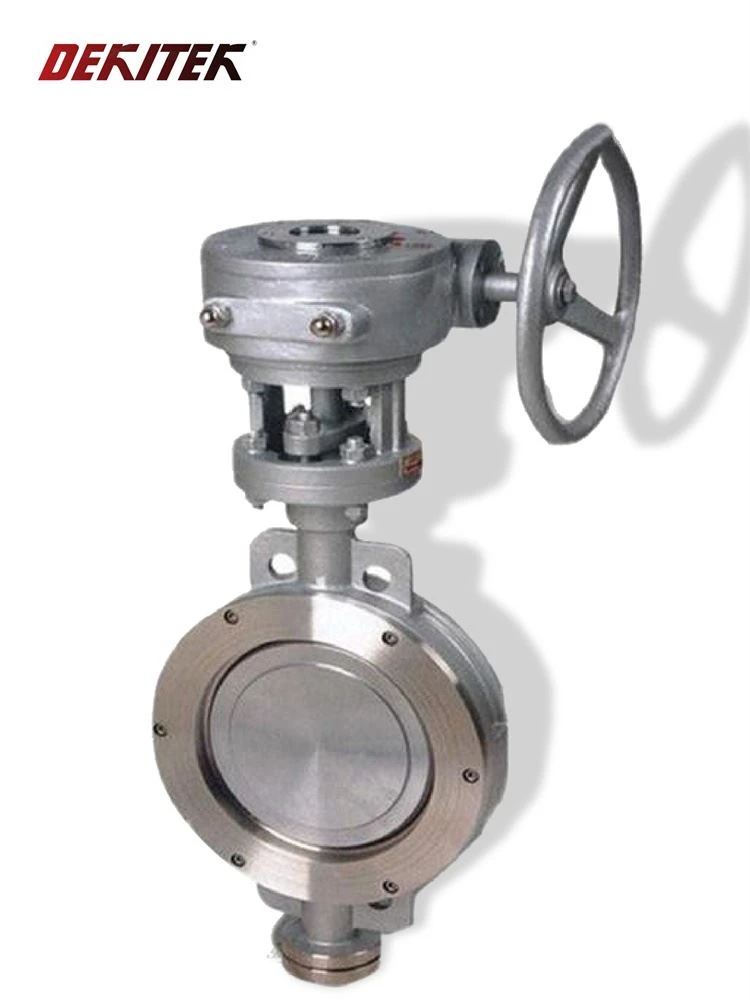
If you are in need of a reliable triple offset lug type butterfly valve for your industrial application, we would be glad to discuss your requirements. Our team of experts can provide you with detailed information and guidance on selecting the right valve for your specific needs. Whether you are looking for a valve for a new project or need to replace an existing valve, we can offer you a solution that meets your expectations.
For more information about our Lug Type Metal Sealing Butterfly Valve and other products, please feel free to contact us. We look forward to the opportunity to work with you and contribute to the success of your projects.
References
- Valve Handbook, 4th Edition, by William L. Nayfeh
- Industrial Valve Technology, by John A. Perry