



As a reputable globe valve supplier, I understand the importance of proper storage for these essential industrial components. Globe valves are widely used in various industries to regulate the flow of liquids and gases. Ensuring their proper storage not only maintains their functionality but also extends their service life. In this blog, I will share some key guidelines on how to store a globe valve properly.
1. Cleaning the Globe Valve Before Storage
Before storing a globe valve, it is crucial to clean it thoroughly. Any dirt, debris, or residual fluid left on the valve can cause corrosion over time. Use a suitable cleaning agent that is compatible with the valve material. For Cast Steel Globe Valve, a mild detergent and water solution can be used for general cleaning. For Stainless Steel Globe Valve, a non - abrasive cleaner is recommended to avoid scratching the surface.

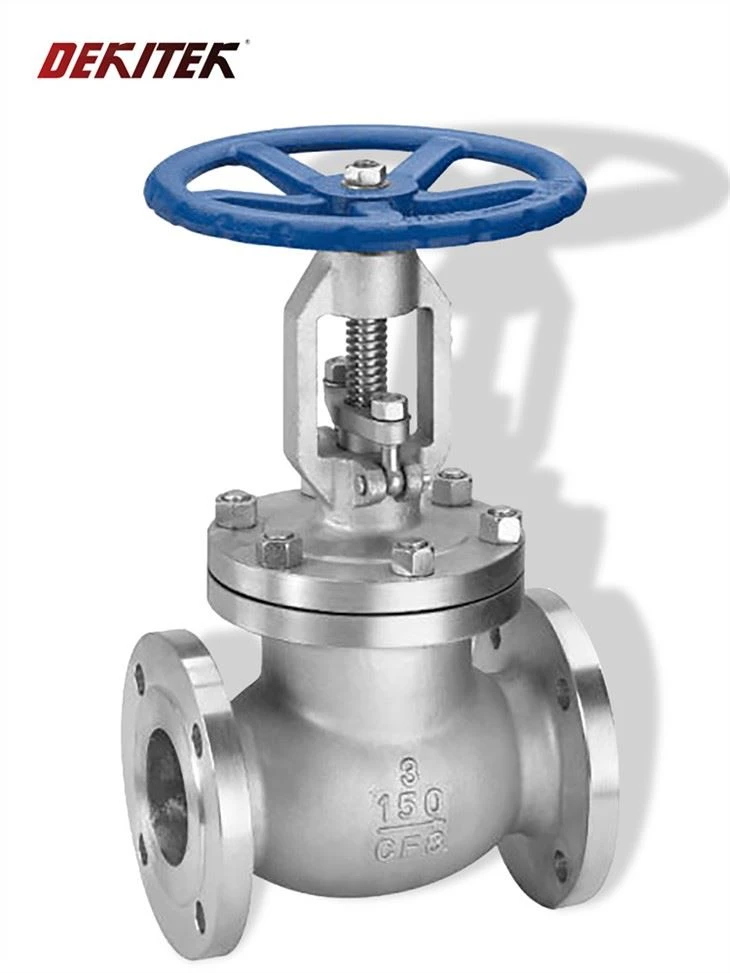
Disassemble the valve if possible. Remove the bonnet, stem, and other removable parts. Clean each part separately, paying special attention to the valve seat and disc. Use a soft brush to clean hard - to - reach areas. After cleaning, rinse the parts with clean water and dry them completely. A hair dryer or compressed air can be used to speed up the drying process.
2. Protecting the Sealing Surfaces
The sealing surfaces of a globe valve, including the valve seat and disc, are critical for its proper functioning. Any damage to these surfaces can lead to leakage. To protect the sealing surfaces during storage, use protective caps or covers. These can be made of rubber, plastic, or other suitable materials.
For valves with threaded ends, use threaded caps to prevent dirt and moisture from entering the valve. For flanged valves, use flange protectors. These protectors not only prevent physical damage but also act as a barrier against corrosion.
3. Choosing the Right Storage Environment
The storage environment plays a significant role in the preservation of globe valves. The ideal storage location should be dry, clean, and well - ventilated. Humidity can cause corrosion, especially for cast steel and iron valves. Aim for a relative humidity level below 60%.
Avoid storing valves in areas prone to flooding, excessive dust, or direct sunlight. Sunlight can cause the valve's paint or coating to fade and deteriorate over time. If possible, store the valves in a climate - controlled warehouse.
The temperature of the storage area should also be stable. Extreme temperature fluctuations can cause the valve materials to expand and contract, which may lead to internal stresses and potential damage. A temperature range between 10°C and 30°C is generally suitable for most globe valves.
4. Proper Positioning of the Globe Valve
The way a globe valve is positioned during storage can affect its performance. Valves should be stored in a position that minimizes stress on the body and internal components. For most globe valves, storing them in a horizontal position is recommended. This helps to prevent the accumulation of moisture in the valve body and reduces the risk of deformation.
If the valve has a long stem, make sure it is supported properly to prevent bending. Use wooden blocks or other suitable supports to keep the valve in a stable position.
5. Preventing Corrosion
Corrosion is one of the biggest threats to globe valves during storage. To prevent corrosion, apply a protective coating to the valve surfaces. For Cast Steel Globe Valve, a rust - inhibiting paint or oil can be used. For stainless steel valves, a passivation treatment can enhance their corrosion resistance.
In addition to coatings, desiccants can be used in the storage area to absorb moisture. Silica gel packets are a common and effective desiccant. Place them near the valves to keep the air dry.
6. Labeling and Inventory Management
Proper labeling of globe valves is essential for easy identification and inventory management. Each valve should be labeled with its model number, size, material, and other relevant information. This makes it easier to locate specific valves when needed and helps to ensure that the correct valve is used in a particular application.
Maintain an accurate inventory system. Keep track of the quantity, location, and storage time of each valve. Regularly inspect the inventory to check for any signs of damage or deterioration.
7. Regular Inspections
Even when stored properly, globe valves should be inspected regularly. Inspections should be carried out at least once every six months. Check for signs of corrosion, damage to the protective coatings, and any physical deformation.
If any issues are detected during the inspection, take appropriate action immediately. This may include reapplying the protective coating, replacing damaged parts, or adjusting the storage conditions.
8. Packaging for Long - Term Storage
For long - term storage, additional packaging may be required. Wrap the valve in a plastic film or use a sealed plastic bag to provide an extra layer of protection against moisture and dust. Place the wrapped valve in a wooden crate or a sturdy cardboard box.
Include a desiccant packet inside the packaging to maintain a dry environment. Label the package clearly with the valve information and handling instructions.
Conclusion
Proper storage of globe valves is essential for maintaining their quality and performance. By following the guidelines outlined above, including cleaning, protecting the sealing surfaces, choosing the right storage environment, and conducting regular inspections, you can ensure that your globe valves remain in excellent condition until they are ready for use.
As a trusted globe valve supplier, we are committed to providing high - quality valves and sharing our expertise with our customers. If you have any questions about globe valve storage or are interested in purchasing Cast Steel Globe Valve or Stainless Steel Globe Valve, please feel free to contact us for further discussion and procurement negotiation.
References
- ASME B16.34 - Valves - Flanged, Threaded, and Welding End
- API 602 - Compact Steel Gate, Globe, and Check Valves
- ISO 5208 - Industrial valves - Pressure testing of valves