


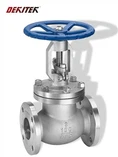

When it comes to fluid control in various industrial applications, valves play a crucial role. Among the numerous types of valves available in the market, butterfly valves and ball valves are two commonly used options. As a supplier of butterfly valves, I often encounter customers who are confused about the differences between these two valve types. In this blog post, I will delve into the key distinctions between butterfly valves and ball valves, helping you make an informed decision for your specific needs.
Structural Design
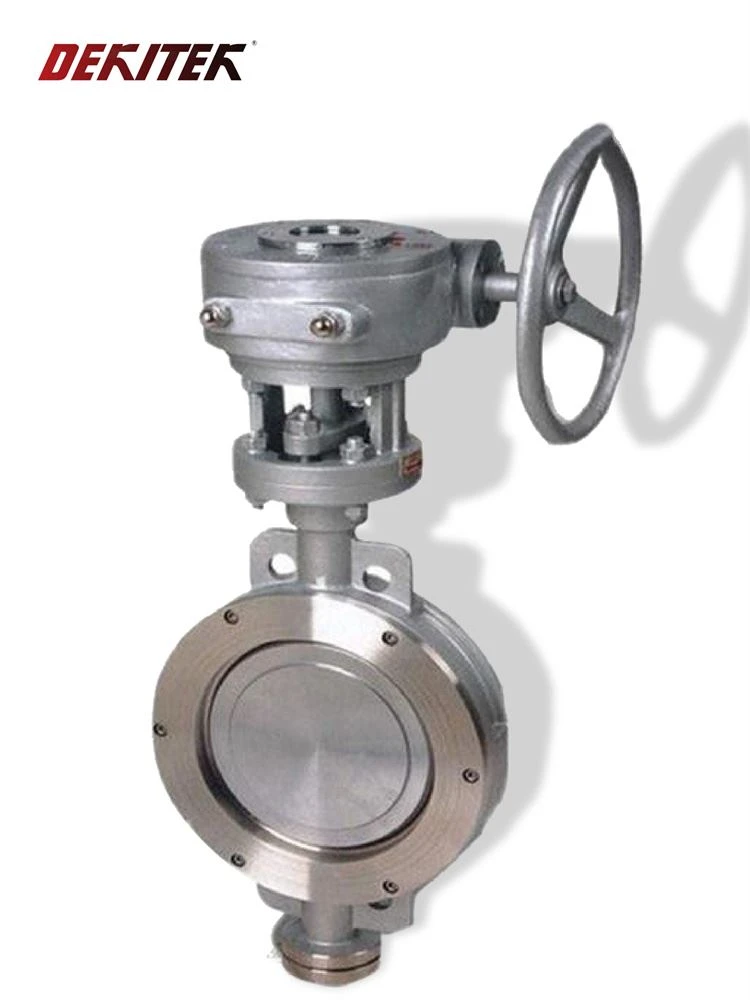
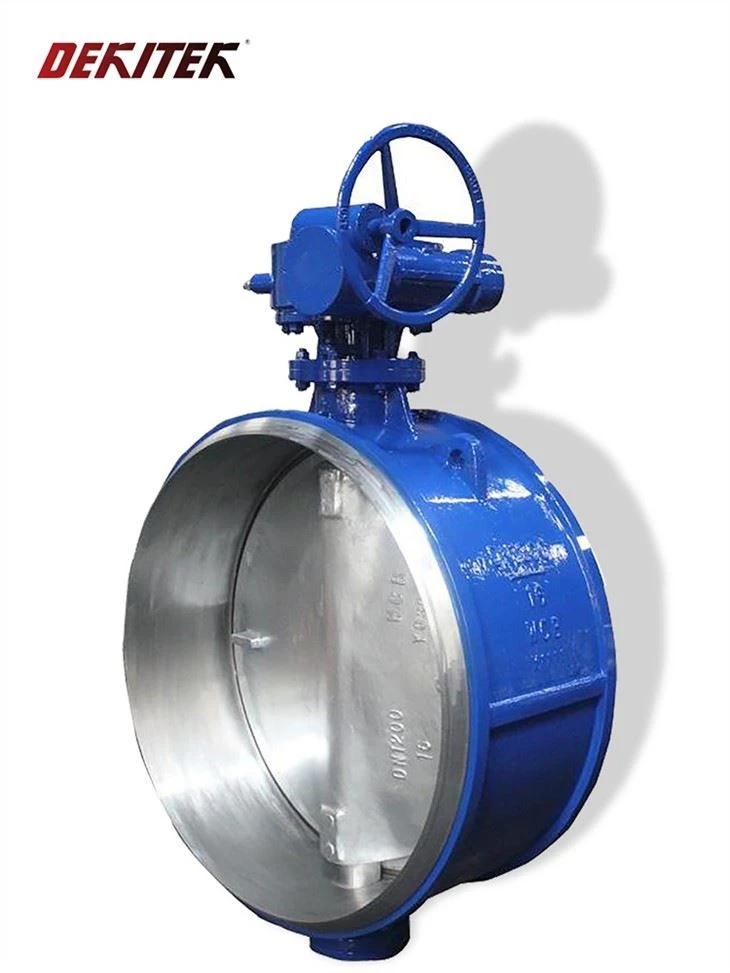
The most obvious difference between butterfly valves and ball valves lies in their structural design. A butterfly valve consists of a circular disc that rotates on a shaft within the valve body. The disc is typically mounted at the center of the pipe, and when the valve is open, the disc is parallel to the flow direction, allowing fluid to pass through with minimal obstruction. When the valve is closed, the disc rotates 90 degrees to block the flow.
On the other hand, a ball valve features a spherical closure element with a hole in the middle. The ball is positioned within the valve body, and when the valve is open, the hole in the ball aligns with the pipe, enabling fluid to flow freely. To close the valve, the ball is rotated 90 degrees so that the solid part of the ball blocks the flow path.
Flow Characteristics
Another significant difference between butterfly valves and ball valves is their flow characteristics. Butterfly valves are known for their excellent throttling capabilities. The disc of a butterfly valve can be adjusted to various positions between fully open and fully closed, allowing for precise control of the flow rate. This makes butterfly valves suitable for applications where flow regulation is required, such as in HVAC systems, water treatment plants, and chemical processing industries.
In contrast, ball valves are primarily designed for on-off control. They provide a full-bore flow path when open, resulting in low pressure drop and high flow capacity. However, ball valves are not as effective as butterfly valves for throttling applications because the ball's spherical shape can cause uneven flow distribution and turbulence when partially open. Therefore, ball valves are commonly used in applications where a quick and tight shut-off is needed, such as in oil and gas pipelines, fire protection systems, and power generation plants.
Sealing Performance
Sealing performance is a critical factor in valve selection, especially in applications where leakage prevention is essential. Butterfly valves typically use elastomeric seals, such as rubber or EPDM, to provide a tight seal between the disc and the valve body. These seals are effective in preventing leakage in low to medium-pressure applications. However, in high-pressure or high-temperature environments, the elastomeric seals may degrade over time, leading to leakage.
To address this issue, some butterfly valves are designed with metal seals, which offer better resistance to high pressures and temperatures. For example, our Triple Offset BW End Butterfly Valve features a unique triple-offset design that provides a metal-to-metal seal, ensuring reliable performance in demanding applications.
Ball valves, on the other hand, generally provide excellent sealing performance. The spherical shape of the ball allows for a tight seal against the valve seats, even under high pressures. Ball valves can achieve a bubble-tight shut-off, making them suitable for applications where zero leakage is required. Additionally, ball valves are less prone to wear and tear compared to butterfly valves, which means they can maintain their sealing performance over a longer period.
Size and Weight
In terms of size and weight, butterfly valves are typically more compact and lighter than ball valves. The disc of a butterfly valve is relatively thin, and the valve body can be designed to have a smaller diameter compared to a ball valve of the same flow capacity. This makes butterfly valves easier to install and handle, especially in applications where space is limited.
Ball valves, on the other hand, tend to be larger and heavier due to the size of the ball and the valve body. However, the larger size of ball valves also allows for a higher flow capacity and better durability. Therefore, the choice between a butterfly valve and a ball valve may also depend on the available space and the specific requirements of the application.
Cost
Cost is another important consideration when choosing between butterfly valves and ball valves. Generally, butterfly valves are more cost-effective than ball valves, especially for large-diameter applications. The simpler design and lower manufacturing costs of butterfly valves make them a popular choice for budget-conscious customers.
However, in some cases, the cost of a ball valve may be justified by its superior performance and durability. For example, in high-pressure or high-temperature applications, a ball valve may provide a longer service life and require less maintenance, resulting in lower overall costs in the long run.
Applications
Based on the above differences, butterfly valves and ball valves are suitable for different applications. Here are some common applications for each valve type:
Butterfly Valves
- HVAC Systems: Butterfly valves are widely used in HVAC systems for flow control of air, water, and refrigerant. Their throttling capabilities and compact design make them ideal for regulating the flow rate in heating, ventilation, and air conditioning systems.
- Water Treatment Plants: In water treatment plants, butterfly valves are used for controlling the flow of water, chemicals, and sludge. Their corrosion resistance and easy maintenance make them a popular choice for water treatment applications.
- Chemical Processing Industries: Butterfly valves are commonly used in chemical processing industries for handling corrosive and abrasive fluids. The ability to use different types of materials for the disc and seals allows butterfly valves to be customized to suit specific chemical applications.
- Food and Beverage Industries: Butterfly valves are also used in the food and beverage industries for controlling the flow of liquids and gases. Their hygienic design and easy cleanability make them suitable for applications where product purity and safety are important.
Ball Valves
- Oil and Gas Pipelines: Ball valves are the preferred choice for oil and gas pipelines due to their high flow capacity, tight shut-off, and resistance to high pressures and temperatures. They are used for on-off control of crude oil, natural gas, and refined products.
- Fire Protection Systems: Ball valves are commonly used in fire protection systems to provide a quick and reliable shut-off in case of a fire. Their ability to withstand high pressures and temperatures makes them suitable for use in sprinkler systems and fire hydrants.
- Power Generation Plants: In power generation plants, ball valves are used for controlling the flow of steam, water, and other fluids in boilers, turbines, and condensers. Their high flow capacity and tight shut-off ensure efficient operation of the power generation equipment.
- Marine Applications: Ball valves are also used in marine applications for controlling the flow of seawater, fuel, and lubricants. Their corrosion resistance and durability make them suitable for use in harsh marine environments.
Conclusion
In conclusion, butterfly valves and ball valves are two distinct types of valves with different structural designs, flow characteristics, sealing performance, size and weight, cost, and applications. As a supplier of butterfly valves, I understand the importance of choosing the right valve for your specific needs. Whether you need a valve for throttling, on-off control, or leakage prevention, we have a wide range of Triple Offset BW End Butterfly Valve, Wafer Type Metal Sealing Butterfly Valve, and Double Offset Lug Type Butterfly Valve to meet your requirements.
If you are unsure which valve type is best for your application, our team of experts is here to help. We can provide you with technical advice, product recommendations, and customized solutions based on your specific needs. Contact us today to discuss your valve requirements and start a procurement negotiation.
References
- "Valve Handbook: Principles and Applications" by J. Paul Tullis
- "Industrial Valves: Selection, Specification, and Installation" by Robert E. Schexnayder
- "Butterfly Valves: Design, Selection, and Application" by John W. Rose