



Hey there! I'm a supplier of Stainless Steel Globe Valves, and today I wanna share with you how to replace the stem of a stainless steel globe valve. It might seem a bit tricky at first, but with the right steps and a bit of know - how, you'll be able to handle it like a pro.
First off, let's talk about why you might need to replace the stem. Over time, the stem of a stainless steel globe valve can wear out due to constant movement, exposure to harsh chemicals, or just general use. When the stem starts to malfunction, it can lead to issues like leaks, poor flow control, or even complete valve failure. So, replacing a worn - out stem is crucial to keep your valve working properly.
Tools and Materials You'll Need
Before you start the replacement process, gather all the necessary tools and materials. You'll need a set of wrenches, a screwdriver (both flat - head and Phillips, depending on your valve), a new stem that's compatible with your stainless steel globe valve, some gasket material, and a sealant. Make sure the new stem is made of high - quality stainless steel to ensure durability.
Step 1: Shut Down the System
Safety first! Before you begin working on the valve, shut down the entire system to prevent any flow of fluid through the valve. This will reduce the risk of injury and also prevent any damage to the valve during the replacement process. Close all the isolation valves in the pipeline connected to the globe valve.
Step 2: Depressurize the Valve
Once the system is shut down, you need to depressurize the valve. Open the drain valve or any other bleed ports on the valve to release any remaining pressure. You can also use a pressure gauge to check if the pressure has been fully released. This step is super important because working on a pressurized valve can be extremely dangerous.
Step 3: Remove the Bonnet
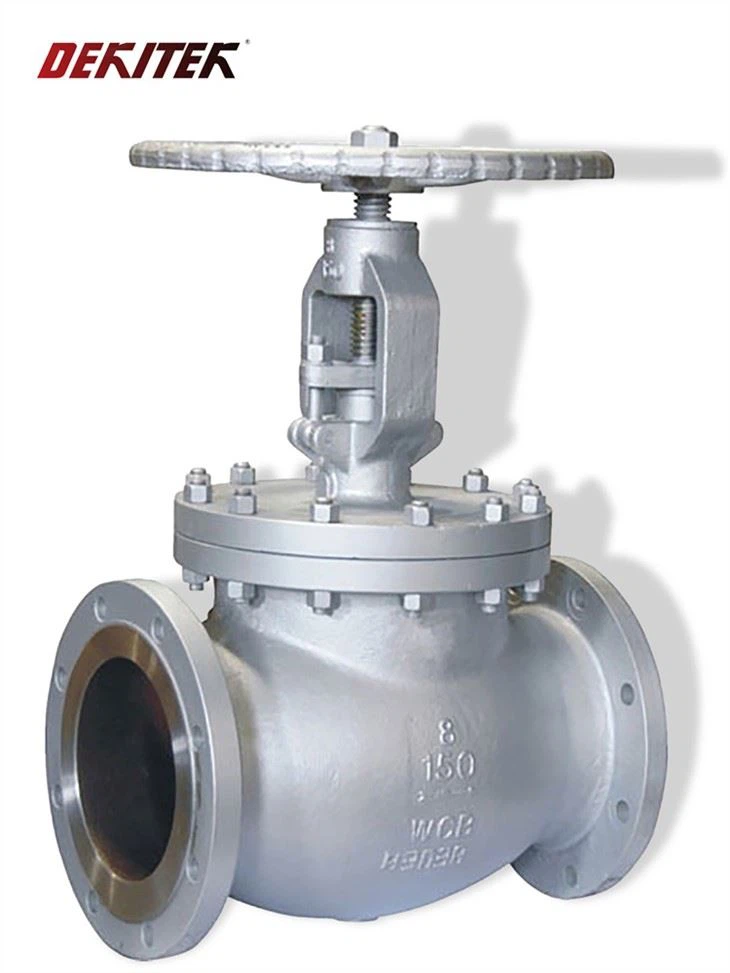
The bonnet is the part of the valve that covers the stem and other internal components. Use your wrenches to loosen and remove the bolts that hold the bonnet in place. Carefully lift the bonnet off the valve body. You might need to be a bit gentle here, as there could be some gasket material between the bonnet and the valve body that you don't want to damage.
Step 4: Take Out the Old Stem
Now that the bonnet is removed, you can access the old stem. There might be a packing nut or gland that holds the stem in place. Use your screwdriver or wrench to loosen and remove this nut. Then, gently pull the old stem out of the valve body. Be careful not to damage the valve seat or any other internal parts while doing this.
Step 5: Inspect the Valve Body and Seat
While the old stem is out, take a good look at the valve body and the seat. Check for any signs of wear, corrosion, or damage. If you notice any issues, you might need to repair or replace these parts as well. A damaged seat can cause leaks even after you've replaced the stem.
Step 6: Install the New Stem
Before installing the new stem, make sure it's clean and free of any debris. Apply a thin layer of sealant to the threads of the stem and the packing gland. Carefully insert the new stem into the valve body, making sure it aligns properly with the valve seat. Then, reinstall the packing nut or gland and tighten it just enough to hold the stem in place without over - tightening.
Step 7: Replace the Bonnet
Place a new gasket on the valve body, then carefully lower the bonnet back into place. Align the bolt holes and use your wrenches to tighten the bolts. Make sure the bolts are tightened evenly to prevent any leaks.
Step 8: Test the Valve
Once the bonnet is back on, it's time to test the valve. Slowly open the isolation valves to allow fluid to flow through the valve. Check for any leaks around the valve body, bonnet, or the stem. Also, operate the valve a few times to make sure the new stem is working smoothly.
Additional Tips
- If you're not sure about any step of the process, it's always a good idea to consult the valve's manual or get in touch with a professional.
- Regular maintenance of your stainless steel globe valve can extend the life of the stem and other components.
Other Types of Globe Valves
We also supply other types of globe valves, like Cast Steel Globe Valve and Alloy Steel Globe Valve. Cast steel globe valves are known for their strength and durability, and they're often used in industrial applications. You can find more about our Cast Steel Globe Valve production and features on our website.
If you're in the market for high - quality globe valves or need any parts for valve repair, we're here to help. Whether you're a small business or a large industrial company, we can provide you with the right products at competitive prices. Feel free to reach out to us for more information and to start a procurement discussion. Our team of experts is always ready to assist you with your valve needs.

References
- Valve Handbook: A Comprehensive Guide to Valve Technology and Applications
- Stainless Steel Materials and Their Use in Valve Manufacturing