



As a supplier of Duplex Steel Globe Valves, I've witnessed firsthand the intricate relationship between the quality of duplex steel and the performance of valves. In this blog, I'll delve into the various aspects of how the quality of duplex steel impacts valve performance, exploring the technical details, real - world implications, and why it matters for your operations.
Understanding Duplex Steel
Duplex steel is a type of stainless steel that combines the properties of austenitic and ferritic stainless steels. It has a two - phase microstructure, which typically consists of approximately equal proportions of austenite and ferrite. This unique structure gives duplex steel several advantageous properties such as high strength, good corrosion resistance, and excellent weldability.
The quality of duplex steel can vary significantly depending on factors like the chemical composition, the manufacturing process, and the heat treatment. For instance, the precise balance of elements such as chromium, nickel, molybdenum, and nitrogen is crucial. Chromium enhances corrosion resistance, while nickel improves ductility and toughness. Molybdenum further boosts resistance to pitting and crevice corrosion, and nitrogen helps in strengthening the steel.
Impact on Valve Strength and Durability
One of the most obvious ways in which the quality of duplex steel affects valve performance is through strength and durability. A valve made from high - quality duplex steel can withstand higher pressures and mechanical stresses. In industrial applications where valves are often subjected to extreme conditions, such as high - pressure pipelines in oil and gas refineries or chemical processing plants, a strong valve is essential.
Low - quality duplex steel may have inconsistent grain structures or contain impurities that can lead to premature failure. For example, if the steel has an uneven distribution of austenite and ferrite phases, it can result in localized areas of weakness. These weak spots are more likely to crack under stress, compromising the integrity of the valve. On the other hand, valves made from well - produced duplex steel can handle the rigors of continuous operation, reducing the frequency of valve replacements and maintenance costs.
Corrosion Resistance
Corrosion is one of the biggest threats to valve performance. Valves are often exposed to corrosive substances such as acids, alkalis, and saltwater in various industries. High - quality duplex steel offers superior corrosion resistance compared to other materials. The presence of chromium, molybdenum, and nitrogen in the steel forms a passive oxide layer on the surface, which acts as a barrier against corrosion.
When the quality of duplex steel is poor, this protective layer may not form properly or may be easily damaged. As a result, the valve is more vulnerable to corrosion, which can lead to leakage, reduced flow control, and eventually, complete valve failure. In marine applications, for example, where valves are constantly in contact with saltwater, a valve made from high - quality duplex steel can last much longer and perform more reliably than one made from a lower - grade material.
Flow Control
The internal components of a valve, such as the disc and the seat, play a crucial role in flow control. The quality of the duplex steel used to manufacture these components affects how well the valve can regulate the flow of fluids. A valve made from high - quality duplex steel will have smooth and precise surfaces. This allows for better sealing and more accurate control of the flow rate.
If the steel quality is subpar, the surfaces of the valve components may be rough or have imperfections. These irregularities can cause uneven flow patterns, leading to turbulence and pressure drops. In some cases, it can also result in incomplete sealing, allowing unwanted leakage. This not only affects the efficiency of the system but can also lead to safety hazards in certain applications.
Comparison with Other Materials
To better understand the significance of duplex steel quality in valve performance, it's useful to compare it with other materials commonly used in valve manufacturing.
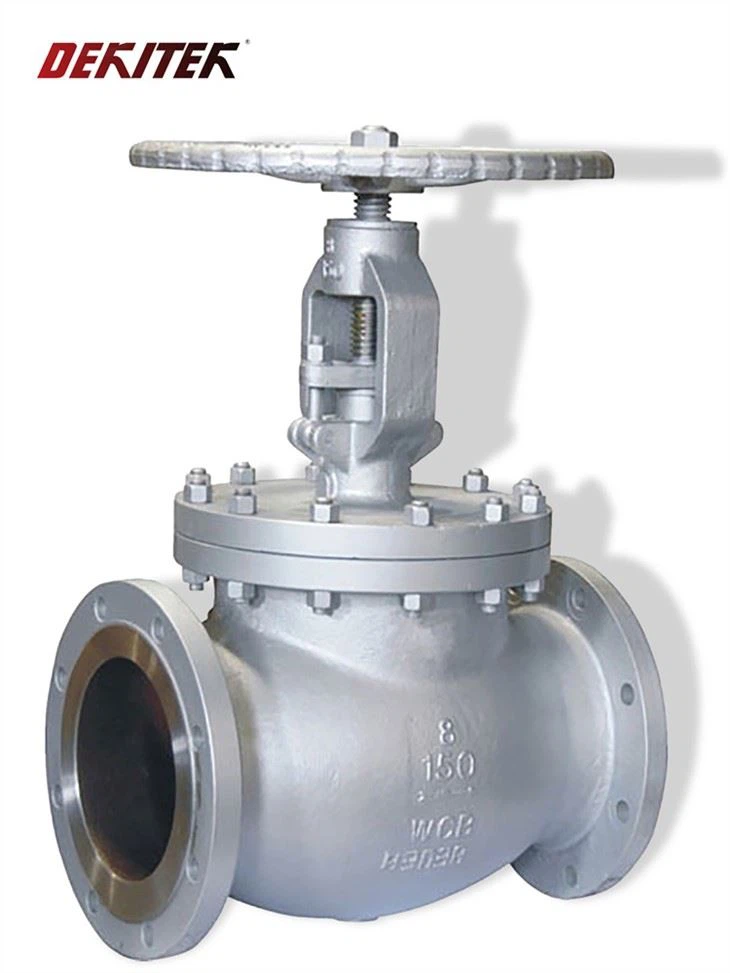
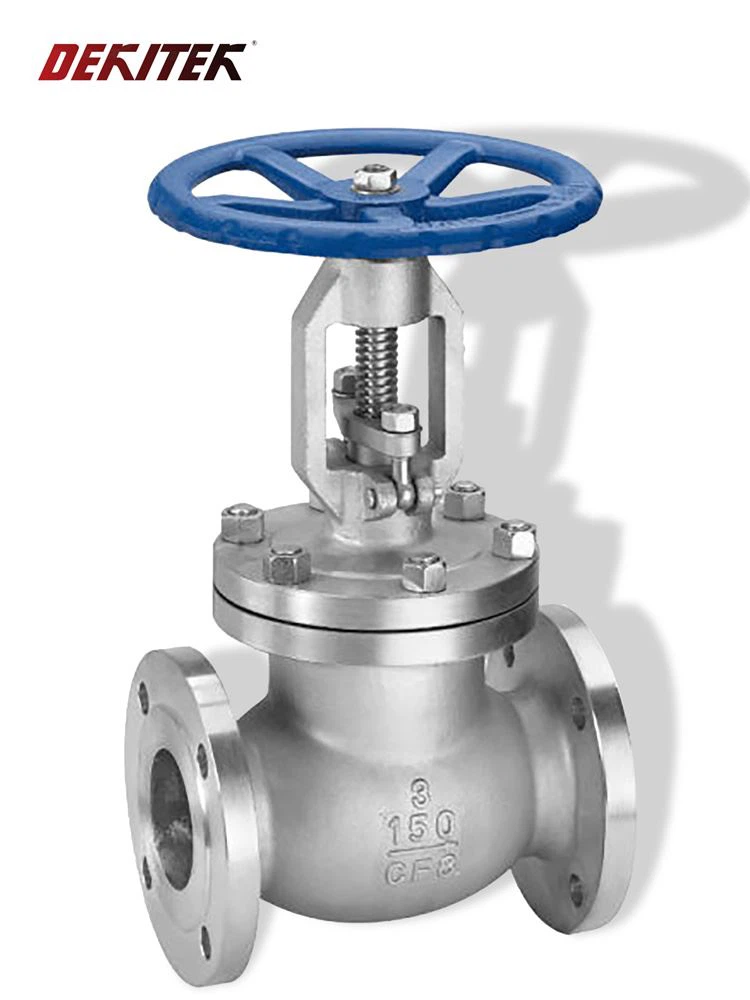
Stainless Steel Globe Valve is a popular choice due to its general corrosion resistance. However, standard stainless steels may not offer the same level of strength and resistance to pitting and crevice corrosion as high - quality duplex steel. In high - stress and highly corrosive environments, a duplex steel globe valve can outperform a stainless steel one.
Alloy Steel Globe Valve is known for its high strength. But alloy steels may be more prone to corrosion compared to duplex steel. The combination of strength and corrosion resistance in duplex steel makes it a more versatile option for a wider range of applications.
Cast Steel Globe Valve is often used in applications where cost is a major consideration. However, cast steel may have porosity and other casting defects that can affect its performance. Duplex steel, when properly manufactured, has a more uniform structure and better mechanical properties, providing a more reliable valve solution.
Real - World Examples
Let's take a look at some real - world examples to illustrate the impact of duplex steel quality on valve performance. In a chemical plant, a valve made from low - quality duplex steel was used in a pipeline carrying a corrosive chemical. Within a few months, the valve started to show signs of corrosion, and there were visible leaks. This not only disrupted the production process but also posed a safety risk to the workers. Replacing the valve with one made from high - quality duplex steel solved the problem, and the new valve has been operating smoothly for years.
In an offshore oil platform, valves made from high - quality duplex steel have been able to withstand the harsh marine environment and high - pressure conditions for extended periods. These valves are critical for controlling the flow of oil and gas, and their reliable performance ensures the safety and efficiency of the entire operation.
Why Quality Matters for Your Business
As a business owner or an engineer responsible for selecting valves, the quality of the duplex steel used in the valves can have a significant impact on your bottom line. High - quality valves may have a higher upfront cost, but they offer long - term savings through reduced maintenance, fewer replacements, and improved system efficiency.
A valve failure can lead to costly downtime, production losses, and potential safety incidents. By investing in valves made from high - quality duplex steel, you can minimize these risks and ensure the smooth operation of your processes.
Conclusion
In conclusion, the quality of duplex steel has a profound impact on the performance of globe valves. From strength and durability to corrosion resistance and flow control, every aspect of valve operation is influenced by the quality of the steel. As a supplier of Duplex Steel Globe Valves, I understand the importance of providing high - quality products to our customers.
If you're in the market for reliable and high - performance globe valves, I encourage you to consider the benefits of duplex steel. Whether you're in the oil and gas, chemical, marine, or any other industry, our valves are designed to meet your specific requirements. Contact us to discuss your valve needs and let's start a procurement negotiation to find the best solution for your operations.
References
- ASM Handbook Volume 13A: Corrosion: Fundamentals, Testing, and Protection. ASM International.
- Duplex Stainless Steels: An Introduction. International Molybdenum Association.
- Valve Handbook, 4th Edition. Ernest O. Mausbach.