


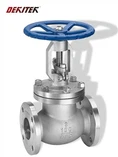

When it comes to the installation and maintenance of a flanged stainless steel globe valve, one crucial aspect that often gets overlooked is the torque requirements for tightening the bolts. As a leading Stainless Steel Globe Valve supplier, we understand the significance of proper bolt tightening in ensuring the valve's optimal performance and longevity. In this blog post, we will delve into the factors that influence the torque requirements and provide guidelines to help you achieve the right torque for your flanged stainless steel globe valve.
Understanding the Basics of Torque
Torque is a measure of the force applied to rotate an object around an axis. In the context of bolt tightening, it is the force required to turn the bolt and create a clamping force between the two flanges of the globe valve. This clamping force is essential for preventing leaks and ensuring a secure connection. However, applying too much or too little torque can lead to various problems, such as leaks, bolt failure, or damage to the valve components.
Factors Affecting Torque Requirements
Several factors influence the torque requirements for tightening the bolts of a flanged stainless steel globe valve. Understanding these factors is crucial for determining the appropriate torque value for your specific application.
Bolt Size and Grade
The size and grade of the bolts used in the valve assembly play a significant role in determining the torque requirements. Larger bolts generally require higher torque values to achieve the desired clamping force. Similarly, bolts with a higher grade (e.g., ASTM A193 Grade B7) have a higher tensile strength and may require more torque to tighten.
Flange Material and Finish
The material and finish of the flanges also affect the torque requirements. Stainless steel flanges, for example, have different friction characteristics compared to other materials, such as carbon steel. Additionally, the surface finish of the flanges can impact the friction coefficient, which in turn affects the torque needed to achieve the desired clamping force.
Gasket Type and Condition
The type and condition of the gasket used between the flanges are critical factors in determining the torque requirements. Different gasket materials have different compression characteristics, and the torque needed to compress the gasket to the proper thickness can vary significantly. Moreover, a damaged or worn gasket may require more torque to achieve a proper seal.
Operating Conditions
The operating conditions of the valve, such as pressure, temperature, and vibration, can also influence the torque requirements. Higher pressure and temperature applications generally require higher clamping forces to prevent leaks, which may necessitate higher torque values. Additionally, vibration can cause the bolts to loosen over time, and a higher initial torque value may be required to compensate for this.
Determining the Appropriate Torque Value
To determine the appropriate torque value for tightening the bolts of a flanged stainless steel globe valve, you can refer to the valve manufacturer's specifications or industry standards. Most valve manufacturers provide torque charts that list the recommended torque values based on the bolt size, grade, and other factors. These charts are typically based on extensive testing and engineering calculations to ensure the proper installation and performance of the valve.
If the manufacturer's specifications are not available, you can also use industry standards, such as ASME B16.5 or API 600, as a guide. These standards provide general guidelines for bolt tightening torque based on the bolt size, material, and application. However, it is important to note that these standards are general recommendations and may not be applicable to all situations. Therefore, it is always advisable to consult with the valve manufacturer or a qualified engineer for specific torque requirements.
Torque Application Methods
Once you have determined the appropriate torque value, it is essential to use the correct method to apply the torque. There are several methods available for tightening bolts, each with its own advantages and disadvantages.
Manual Torque Wrenches
Manual torque wrenches are the most commonly used method for tightening bolts. They allow you to apply a specific amount of torque to the bolt by setting the desired torque value on the wrench. Manual torque wrenches are relatively inexpensive and easy to use, but they require careful calibration and proper technique to ensure accurate torque application.
Power Torque Tools
Power torque tools, such as pneumatic or electric torque wrenches, are more efficient and accurate than manual torque wrenches. They can apply a consistent amount of torque to the bolt, reducing the risk of over-tightening or under-tightening. However, power torque tools are more expensive and require proper training and maintenance to ensure safe and effective operation.
Torque Multipliers
Torque multipliers are used when a higher torque value is required than can be achieved with a manual or power torque wrench. They use a gear system to multiply the input torque, allowing you to apply a higher torque to the bolt. Torque multipliers are typically used in applications where large bolts or high clamping forces are required.
Importance of Proper Torque Application
Applying the correct torque to the bolts of a flanged stainless steel globe valve is crucial for ensuring the valve's optimal performance and reliability. Proper torque application helps to prevent leaks, reduce the risk of bolt failure, and extend the service life of the valve.
Preventing Leaks
One of the primary reasons for proper torque application is to prevent leaks. A properly tightened bolt creates a secure connection between the flanges, ensuring that the gasket is compressed evenly and forms a tight seal. This helps to prevent fluid or gas from leaking out of the valve, which can lead to safety hazards, environmental pollution, and costly downtime.
Reducing the Risk of Bolt Failure
Over-tightening or under-tightening the bolts can increase the risk of bolt failure. Over-tightening can cause the bolts to stretch or break, while under-tightening can result in the bolts loosening over time. Both scenarios can lead to a loss of clamping force and potentially cause the valve to leak or malfunction.


Extending the Service Life of the Valve
Proper torque application helps to distribute the clamping force evenly across the flanges, reducing stress concentrations and minimizing the risk of damage to the valve components. This can extend the service life of the valve and reduce the need for frequent maintenance and replacement.
Conclusion
In conclusion, understanding the torque requirements for tightening the bolts of a flanged stainless steel globe valve is essential for ensuring the valve's optimal performance and reliability. By considering factors such as bolt size and grade, flange material and finish, gasket type and condition, and operating conditions, you can determine the appropriate torque value for your specific application. Using the correct torque application method and ensuring proper torque application is crucial for preventing leaks, reducing the risk of bolt failure, and extending the service life of the valve.
As a trusted Stainless Steel Globe Valve supplier, we are committed to providing our customers with high-quality valves and expert advice on installation and maintenance. If you have any questions or need assistance with determining the torque requirements for your valve, please do not hesitate to contact us. We would be happy to help you ensure the proper installation and performance of your flanged stainless steel globe valve.
In addition to our Stainless Steel Globe Valve, we also offer a wide range of other valve products, including Alloy Steel Globe Valve and Duplex Steel Globe Valve. Our valves are designed and manufactured to meet the highest quality standards and are suitable for a variety of applications.
If you are interested in learning more about our products or would like to discuss your specific requirements, please contact us today. Our team of experts is ready to assist you with your valve needs and help you find the right solution for your application.
References
- ASME B16.5 - Pipe Flanges and Flanged Fittings
- API 600 - Steel Gate Valves - Flanged and Butt Welding Ends
- ASTM A193 - Specification for Alloy-Steel and Stainless Steel Bolting Materials for High-Temperature Service