


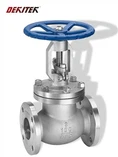

As a seasoned globe valve supplier, I've witnessed firsthand the widespread use of these valves across various industries. Globe valves are renowned for their versatility and ability to control the flow of liquids and gases. However, like any mechanical device, they are not without their challenges. In this blog post, I'll delve into the common problems associated with globe valves, offering insights based on my years of experience in the field.
1. Leakage
One of the most prevalent issues with globe valves is leakage. Leakage can occur in different parts of the valve, including the valve seat, stem packing, and body joints.
-
Valve Seat Leakage: The valve seat is a critical component that ensures a tight seal when the valve is closed. Over time, the seat can become worn or damaged due to erosion, corrosion, or the presence of debris in the fluid. This can lead to a partial or complete loss of the seal, resulting in leakage. For example, in a chemical processing plant, aggressive chemicals can corrode the valve seat, causing it to lose its integrity. To address this problem, regular inspection and maintenance are essential. If the seat is damaged, it may need to be resurfaced or replaced. Our Stainless Steel Globe Valve is designed with high - quality materials that offer excellent resistance to corrosion, reducing the risk of seat leakage.
-
Stem Packing Leakage: The stem packing is responsible for preventing fluid from escaping along the valve stem. As the valve is operated, the stem moves up and down, causing wear on the packing material. If the packing is not properly installed or maintained, it can become loose or damaged, leading to leakage. This is particularly common in high - temperature or high - pressure applications. To prevent stem packing leakage, proper installation techniques should be followed, and the packing should be regularly inspected and replaced as needed.
-
Body Joint Leakage: Leakage at the body joints can occur due to improper gasket installation, gasket degradation, or excessive torque during assembly. In some cases, vibration or thermal expansion and contraction can also cause the joints to loosen over time. To avoid body joint leakage, it's important to use high - quality gaskets and ensure proper torque is applied during installation.
2. High Pressure Drop
Globe valves are known for their relatively high pressure drop compared to other types of valves, such as gate valves. The design of the globe valve, with its tortuous flow path, causes the fluid to change direction multiple times as it passes through the valve. This results in a significant loss of pressure energy.
In applications where minimizing pressure drop is crucial, such as in long - distance pipelines or systems with low - pressure sources, the high pressure drop of globe valves can be a major drawback. To mitigate this issue, it may be necessary to select a larger valve size or a valve with a more streamlined design. Our Alloy Steel Globe Valve can be customized to optimize the flow path, reducing the pressure drop to some extent.
3. Slow Operation
Another common problem with globe valves is their relatively slow operation. The linear motion of the valve disc requires more time to open or close compared to quarter - turn valves like ball valves or butterfly valves. This can be a problem in applications where rapid shut - off or opening is required, such as in emergency situations or in systems with high - flow rates.


To address the issue of slow operation, some applications may benefit from the use of actuators. Electric, pneumatic, or hydraulic actuators can significantly reduce the time required to open or close the valve, improving the overall system response.
4. Erosion and Corrosion
Globe valves are often exposed to harsh environments, where they can be subject to erosion and corrosion. Erosion occurs when the fluid flowing through the valve contains solid particles that wear away the valve components. Corrosion, on the other hand, is caused by chemical reactions between the valve material and the fluid.
In industries such as mining, oil and gas, and chemical processing, erosion and corrosion can severely damage the valve and reduce its service life. To combat these issues, selecting the right valve material is crucial. Our Cast Steel Globe Valve is available in different grades of cast steel, which can be chosen based on the specific corrosive and erosive conditions of the application. Additionally, surface treatments and coatings can be applied to further enhance the valve's resistance to erosion and corrosion.
5. Cavitation
Cavitation is a phenomenon that occurs when the pressure of the fluid flowing through the valve drops below its vapor pressure, causing the formation of vapor bubbles. These bubbles then collapse when they enter a region of higher pressure, creating shock waves that can damage the valve components.
Cavitation can cause pitting, erosion, and noise in the valve, and it can also lead to a reduction in the valve's performance and service life. To prevent cavitation, it's important to ensure that the valve is properly sized and operated within its recommended pressure and flow range. In some cases, special anti - cavitation trim can be installed in the valve to reduce the risk of cavitation.
6. Stem Binding
Stem binding is a problem that can occur when the valve stem becomes stuck or difficult to move. This can be caused by several factors, including dirt and debris in the stem guide, corrosion of the stem, or misalignment of the stem and the valve body.
Stem binding can prevent the valve from opening or closing properly, leading to operational issues. Regular maintenance, including cleaning and lubrication of the stem, can help prevent stem binding. If the problem persists, the stem may need to be inspected and repaired or replaced.
7. Seat Wear and Galling
The valve seat and disc are in constant contact when the valve is operated, which can lead to wear and galling. Galling is a form of adhesive wear that occurs when two metal surfaces rub against each other under high pressure and friction.
Seat wear and galling can cause the valve to leak and reduce its ability to control the flow accurately. To minimize seat wear and galling, proper material selection and surface finishing are important. Using hard - facing materials on the seat and disc can significantly improve their wear resistance.
Conclusion
While globe valves offer many advantages, they also come with their fair share of problems. As a globe valve supplier, I understand the importance of addressing these issues to ensure the reliable operation of your systems. By being aware of the common problems such as leakage, high pressure drop, slow operation, erosion, corrosion, cavitation, stem binding, and seat wear, you can take proactive measures to prevent and mitigate these issues.
If you're facing challenges with your existing globe valves or are in the market for new ones, I encourage you to reach out to me for a consultation. I can help you select the right valve for your specific application, provide guidance on installation and maintenance, and offer solutions to any problems you may encounter. Let's work together to ensure the optimal performance of your valve systems.
References
- "Valve Handbook" by J. E. O. May
- "Industrial Valves: Selection, Specification, and Installation" by A. S. Ramachandran