


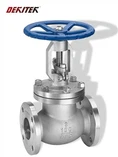

As a supplier of Alloy Steel Pressure Seal Gate Valves, ensuring the tight shut - off of these valves is of utmost importance. Tight shut - off not only guarantees the efficient operation of various systems but also enhances safety and reduces the risk of leaks, which can lead to significant losses in terms of both resources and potential environmental hazards. In this blog, I will share some key strategies and considerations to achieve a tight shut - off for Alloy Steel Pressure Seal Gate Valves.
Understanding the Structure and Working Principle
Before delving into the methods of ensuring tight shut - off, it is essential to understand the structure and working principle of Alloy Steel Pressure Seal Gate Valves. These valves consist of a gate, which moves up and down to control the flow of fluid through the valve. The pressure seal design uses the system pressure to enhance the sealing performance. As the pressure in the system increases, the sealing force between the valve components also increases, providing a more reliable seal.
The gate is typically made of alloy steel, which offers high strength and corrosion resistance. The valve body and other components are also constructed from materials that can withstand high pressures and harsh operating environments. When the valve is in the closed position, the gate blocks the flow path, and the sealing surfaces between the gate and the seat must form a tight seal to prevent leakage.
Selecting High - Quality Materials
One of the fundamental steps in ensuring tight shut - off is to select high - quality materials for the valve components. Alloy steel is a popular choice for pressure seal gate valves due to its excellent mechanical properties, such as high tensile strength, hardness, and corrosion resistance. However, not all alloy steels are created equal.
When choosing alloy steel for the gate and seat, it is crucial to consider factors such as the chemical composition, heat treatment, and surface finish. The chemical composition should be carefully controlled to ensure that the steel has the desired properties. For example, adding elements like chromium, nickel, and molybdenum can improve corrosion resistance and strength.
Heat treatment processes, such as quenching and tempering, can significantly enhance the hardness and toughness of the alloy steel. A properly heat - treated gate and seat will have a more uniform structure, which is essential for achieving a tight seal. Additionally, the surface finish of the sealing surfaces should be smooth and free of defects. Any scratches, pits, or irregularities on the surface can compromise the sealing performance.
Precision Manufacturing and Machining
Precision manufacturing and machining are critical for ensuring the proper fit and alignment of the valve components. The dimensions of the gate and seat must be accurately machined to meet the specified tolerances. Even a small deviation in the dimensions can lead to a poor seal and leakage.
Advanced machining techniques, such as CNC machining, can ensure high precision and repeatability. During the machining process, strict quality control measures should be implemented to verify the dimensions and surface finish of the components. Non - destructive testing methods, such as ultrasonic testing and magnetic particle testing, can be used to detect any internal defects in the alloy steel components.
In addition to machining the gate and seat, the valve body and other components also need to be manufactured with precision. The alignment of the stem, which is used to operate the gate, is crucial for the proper movement of the gate. Any misalignment can cause the gate to bind or not close properly, resulting in leakage.
Proper Installation and Commissioning
Proper installation and commissioning of the Alloy Steel Pressure Seal Gate Valve are essential for achieving tight shut - off. Before installation, the valve should be inspected to ensure that all components are in good condition and there are no signs of damage or defects.
The valve should be installed in the correct orientation, following the manufacturer's instructions. The pipeline should be properly cleaned and free of debris to prevent any foreign particles from entering the valve and damaging the sealing surfaces. During installation, the bolts and gaskets should be tightened to the specified torque values to ensure a proper seal between the valve and the pipeline.
After installation, the valve should be commissioned to verify its operation and sealing performance. This may involve conducting pressure tests and leakage checks. During the pressure test, the valve should be subjected to the maximum operating pressure to ensure that it can maintain a tight seal under normal and extreme conditions.


Regular Maintenance and Inspection
Regular maintenance and inspection are necessary to ensure the long - term tight shut - off of Alloy Steel Pressure Seal Gate Valves. Over time, the sealing surfaces may wear due to friction, erosion, or corrosion. Regular inspection can detect any signs of wear or damage early, allowing for timely repairs or replacements.
Maintenance tasks may include lubricating the stem and other moving parts to reduce friction and ensure smooth operation. The sealing surfaces should be cleaned periodically to remove any dirt, scale, or debris that may accumulate. If any wear or damage is detected, the damaged components should be replaced promptly to prevent further leakage.
In addition to physical inspections, it is also advisable to monitor the valve's performance over time. This can be done by installing sensors to measure parameters such as pressure, temperature, and flow rate. Any abnormal changes in these parameters may indicate a problem with the valve's sealing performance.
Utilizing Advanced Sealing Technologies
Advancements in sealing technologies can also contribute to ensuring tight shut - off of Alloy Steel Pressure Seal Gate Valves. For example, some valves are equipped with soft seals, such as elastomeric O - rings or graphite gaskets, in addition to the metal - to - metal seals. These soft seals can provide an additional layer of sealing protection, especially in applications where a zero - leakage seal is required.
Another advanced sealing technology is the use of self - energizing seals. These seals are designed to expand under pressure, providing a tighter seal as the system pressure increases. Self - energizing seals can be particularly effective in high - pressure applications where traditional seals may not be sufficient.
Compatibility with Other System Components
The Alloy Steel Pressure Seal Gate Valve should be compatible with other components in the system. For example, if the valve is used in a pipeline with an Electric Actuator Gate Valve, the actuator should be properly sized and configured to ensure that it can provide enough force to operate the valve and achieve a tight shut - off.
Similarly, if the system requires the use of Duplex Stainless Steel Pressure Seal Gate Valve or Stainless Steel Flexible Wedge Gate Valve in combination with the alloy steel valve, the materials and operating characteristics of these valves should be carefully considered to ensure compatibility.
Conclusion
Ensuring the tight shut - off of Alloy Steel Pressure Seal Gate Valves requires a comprehensive approach that includes selecting high - quality materials, precision manufacturing, proper installation, regular maintenance, and the utilization of advanced sealing technologies. By following these strategies, we can provide our customers with valves that offer reliable and long - lasting sealing performance.
If you are in the market for high - quality Alloy Steel Pressure Seal Gate Valves or have any questions about ensuring tight shut - off, please feel free to contact us for further discussion and procurement opportunities.
References
- Valve Handbook, 4th Edition, by Thomas A. Schweitzer
- ASME B16.34 - 2017, Valves - Flanged, Threaded, and Welding End
- API 600 - 2015, Steel Gate Valves - Flanged and Butt - Welding Ends, Bolted Bonnet