


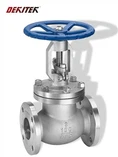

Hey there! As a supplier of Electric Actuator Gate Valves, I've seen firsthand how a high leakage rate can be a real pain in the neck for our customers. It not only affects the efficiency of the system but can also lead to some serious safety hazards. So, I thought I'd share some tips on how to reduce the leakage rate of an electric actuator gate valve.
Understanding the Causes of Leakage
Before we can tackle the problem, we need to understand what's causing it. There are several factors that can contribute to leakage in an electric actuator gate valve.
Seal Wear and Tear
Over time, the seals in the gate valve can wear out. This is especially true in high - pressure or high - temperature environments. The constant movement of the gate against the seals can cause them to degrade, leading to leaks. For example, if the valve is used in a chemical processing plant where the fluid is corrosive, the seals may deteriorate faster.
Improper Installation
If the gate valve isn't installed correctly, it can lead to leakage. This could include not aligning the valve properly, not tightening the bolts to the correct torque, or using the wrong type of gaskets. Even a small misalignment can cause uneven pressure on the seals, resulting in leaks.
Material Compatibility
The materials used in the valve and the fluid it's handling need to be compatible. If the fluid is highly corrosive and the valve is made of a material that isn't resistant to it, the valve components can corrode, leading to leaks. For instance, using a regular carbon steel valve in a seawater application without proper coating can cause rapid corrosion.
Tips to Reduce Leakage Rate
Choose the Right Valve
Selecting the appropriate valve for your application is crucial. Consider factors like the pressure, temperature, and type of fluid. If you're dealing with a high - pressure system, you might want to look into Duplex Stainless Steel Pressure Seal Gate Valve. These valves are designed to handle high pressures and are made of a durable material that can resist corrosion. For less demanding applications, a Stainless Steel Pressure Seal Gate Valve might be sufficient. And if you need a valve for general use, a Duplex Stainless Steel Gate Valve could be a great option.
Proper Installation
Make sure the valve is installed by a professional. They'll know how to align the valve correctly, use the right gaskets, and tighten the bolts to the proper torque. Before installation, clean the valve and the pipeline thoroughly to remove any debris that could cause leaks. Also, check the alignment of the pipeline to ensure that there's no stress on the valve when it's installed.
Regular Maintenance
Regular maintenance is key to reducing leakage. Inspect the valve regularly for signs of wear and tear, such as damaged seals or corroded parts. Replace any worn - out components immediately. Lubricate the moving parts of the valve as recommended by the manufacturer. This will reduce friction and prevent premature wear of the seals.
Monitor the System
Keep an eye on the system's performance. If you notice any changes in pressure, flow rate, or other parameters, it could be a sign of a leak. Use sensors to monitor the valve and the pipeline for leaks. Early detection can help you address the problem before it becomes a major issue.
Upgrade the Seals
If you're experiencing frequent leaks, consider upgrading the seals. There are high - performance seals available that are more resistant to wear, corrosion, and high temperatures. These seals can significantly reduce the leakage rate of the valve.
Training for Operators
Ensure that the operators of the electric actuator gate valve are properly trained. They should know how to operate the valve correctly, how to perform basic maintenance tasks, and how to recognize the signs of a leak. A well - trained operator can prevent many leakage problems from occurring in the first place.
Conclusion
Reducing the leakage rate of an electric actuator gate valve is essential for the efficient and safe operation of your system. By choosing the right valve, installing it correctly, performing regular maintenance, monitoring the system, upgrading the seals, and training the operators, you can significantly reduce the chances of leakage.
If you're looking for high - quality electric actuator gate valves or need more advice on reducing leakage rates, don't hesitate to reach out. We're here to help you find the best solutions for your specific needs. Let's work together to ensure your systems run smoothly and safely.


References
- Valve Handbook: A Guide to Valve Selection and Application
- Industry Standards for Valve Installation and Maintenance