



Can a butterfly valve be used in a pulp - and - paper mill?
In the dynamic and complex environment of a pulp - and - paper mill, the selection of appropriate valves is crucial for ensuring smooth operations, maintaining product quality, and enhancing overall efficiency. As a dedicated butterfly valve supplier, I've often been asked whether butterfly valves can be effectively used in pulp - and - paper mills. In this blog, I'll delve into this question, exploring the characteristics of butterfly valves, the unique requirements of pulp - and - paper mills, and how these two elements can be well - matched.
Understanding Butterfly Valves
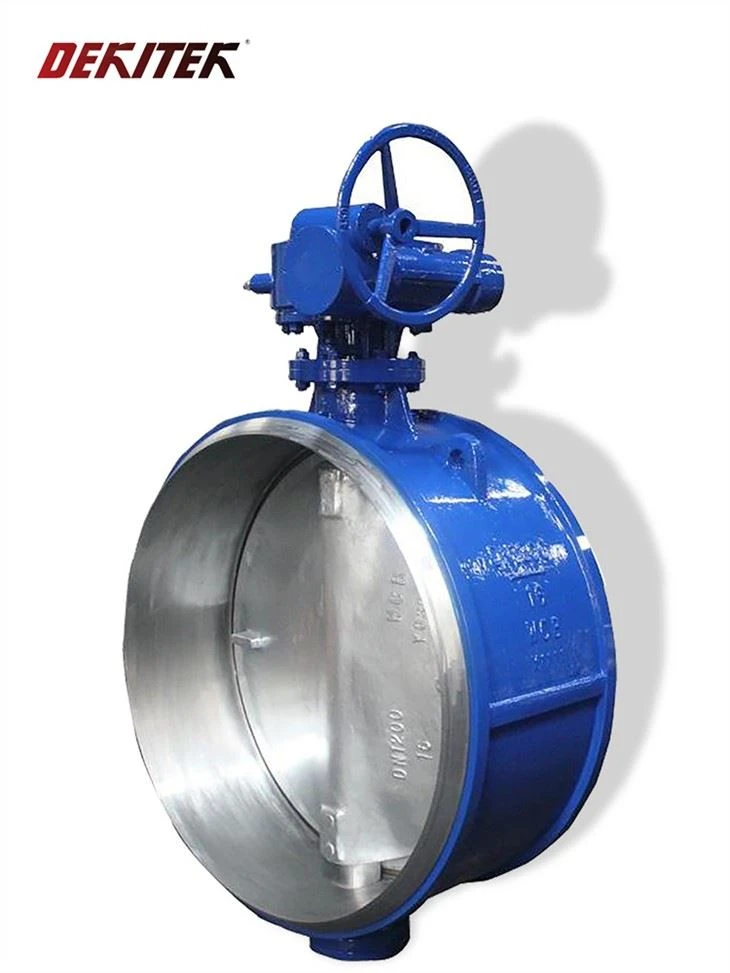
Butterfly valves are quarter - turn valves that use a disk to control the flow of fluid. The disk rotates around a shaft, and when it is parallel to the flow direction, the valve is fully open, allowing maximum flow. When it is perpendicular to the flow, the valve is closed, blocking the flow. There are different types of butterfly valves, each with its own features and applications.
- Double Offset Butt Weld End Butterfly Valve: This type of valve offers excellent sealing performance and is suitable for high - pressure and high - temperature applications. The double - offset design reduces friction between the disk and the seat, which extends the valve's service life. You can learn more about it Double Offset Butt Weld End Butterfly Valve.
- Double Offset Wafer Type Butterfly Valve: It is a more compact and lightweight option. The wafer design allows for easy installation between flanges, saving space and reducing costs. It is often used in applications where space is limited. Check out Double Offset Wafer Type Butterfly Valve for detailed information.
- Triple Offset BW End Butterfly Valve: With its triple - offset design, this valve provides a bubble - tight seal, even in high - differential pressure applications. It is highly resistant to wear and tear, making it ideal for demanding industrial environments. For more details, visit Triple Offset BW End Butterfly Valve.
Requirements in a Pulp - and - Paper Mill
Pulp - and - paper mills have a series of unique requirements when it comes to valves. The production process involves handling various fluids, including pulp slurries, chemicals, steam, and water. Each of these fluids has different properties, such as viscosity, corrosiveness, and temperature, which pose challenges to valve performance.
- Handling Pulp Slurries: Pulp slurries are thick and contain solid particles. Valves need to be able to handle this abrasive and viscous medium without clogging. A valve with a smooth internal surface and a design that minimizes dead zones is preferred to prevent the accumulation of pulp.
- Chemical Resistance: Chemicals are widely used in pulp - and - paper production, such as bleaching agents and caustic soda. Valves must be made of materials that can resist corrosion from these chemicals to ensure long - term reliability.
- Temperature and Pressure Control: Steam is used for heating and power generation in the mill. Valves need to be able to withstand high temperatures and pressures while maintaining accurate flow control.
Suitability of Butterfly Valves in Pulp - and - Paper Mills
Butterfly valves have several advantages that make them suitable for use in pulp - and - paper mills:

- Efficient Flow Control: The quarter - turn operation of butterfly valves allows for quick opening and closing, which is essential for controlling the flow of fluids in a timely manner. This is especially important in processes where the flow rate needs to be adjusted rapidly, such as in the pulp cooking process.
- Low Pressure Drop: Butterfly valves typically have a low pressure drop across the valve when fully open. This means that less energy is required to pump the fluids through the system, resulting in energy savings.
- Compact Design: Their compact size makes them easy to install in tight spaces, which is often a requirement in pulp - and - paper mills where space is at a premium.
- Versatility: Different types of butterfly valves can be selected based on the specific requirements of different applications. For example, the double - offset and triple - offset designs can provide better sealing performance for high - pressure and high - temperature applications, while the wafer - type design is suitable for applications where space is limited.
Case Studies
Let's look at some real - world examples of how butterfly valves are used in pulp - and - paper mills:
- Pulp Screening Process: In the pulp screening process, butterfly valves are used to control the flow of pulp slurries. The smooth internal surface of the valve prevents the accumulation of pulp, ensuring continuous and efficient screening. The quick - acting feature of the valve allows for precise control of the flow rate, which is crucial for maintaining the quality of the screened pulp.
- Chemical Dosing System: In the chemical dosing system, butterfly valves are used to control the flow of chemicals. The chemical - resistant materials used in the valve construction ensure that the valve can withstand the corrosive nature of the chemicals, providing long - term reliability.
Challenges and Solutions
While butterfly valves offer many advantages, there are also some challenges when using them in pulp - and - paper mills:
- Sealing in High - Pressure Applications: In high - pressure applications, ensuring a tight seal can be a challenge. However, the double - offset and triple - offset butterfly valves are designed to address this issue. The offset design reduces the friction between the disk and the seat, allowing for a better seal even under high pressure.
- Wear and Tear from Abrasive Pulp: The abrasive nature of pulp slurries can cause wear and tear on the valve components. To solve this problem, valves can be coated with wear - resistant materials or made of hard - wearing alloys. Regular maintenance and inspection can also help detect and address any signs of wear early.
Conclusion
In conclusion, butterfly valves can indeed be used effectively in pulp - and - paper mills. Their efficient flow control, low pressure drop, compact design, and versatility make them a suitable choice for various applications in the mill. By selecting the right type of butterfly valve and addressing the potential challenges, pulp - and - paper mills can benefit from improved performance, reduced energy consumption, and lower maintenance costs.
If you are involved in a pulp - and - paper mill and are considering using butterfly valves for your operations, I encourage you to reach out to discuss your specific requirements. As a trusted butterfly valve supplier, I can provide you with professional advice and high - quality products to meet your needs. Let's work together to optimize your pulp - and - paper production process.
References
- Perry, R. H., & Green, D. W. (1997). Perry's Chemical Engineers' Handbook. McGraw - Hill.
- Walas, S. M. (1990). Chemical Process Equipment: Selection and Design. Butterworth - Heinemann.