



Can an Alloy Steel Globe Valve be used in an oil and gas pipeline?
When it comes to the oil and gas industry, the selection of valves is a critical decision that can significantly impact the safety, efficiency, and reliability of pipelines. One type of valve that often comes under consideration is the alloy steel globe valve. As a supplier of alloy steel globe valves, I am frequently asked whether these valves are suitable for use in oil and gas pipelines. In this blog post, I will explore the characteristics of alloy steel globe valves and discuss their applicability in the oil and gas sector.
Understanding Alloy Steel Globe Valves
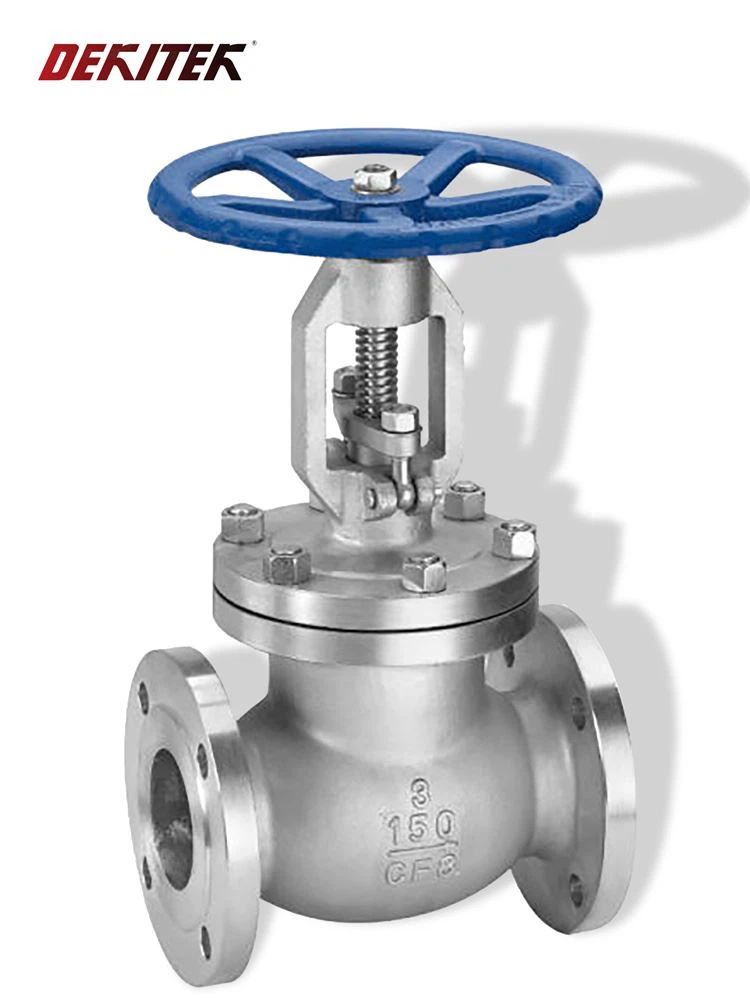
Alloy steel globe valves are a type of linear motion valve that uses a disc to control the flow of fluid through a pipeline. The disc is connected to a stem, which is actuated by a handwheel, electric motor, or pneumatic actuator. When the stem is turned, the disc moves up or down, either allowing or restricting the flow of fluid.
Alloy steel is a type of steel that contains various alloying elements, such as chromium, nickel, molybdenum, and vanadium. These elements are added to improve the mechanical properties of the steel, such as strength, hardness, and corrosion resistance. Alloy steel globe valves are typically made from high-quality alloy steels that are specifically designed for use in demanding applications, such as oil and gas pipelines.
Advantages of Alloy Steel Globe Valves in Oil and Gas Pipelines
There are several advantages to using alloy steel globe valves in oil and gas pipelines:
- High Strength and Durability: Alloy steel globe valves are known for their high strength and durability, making them suitable for use in high-pressure and high-temperature applications. The alloying elements in the steel provide excellent resistance to wear, erosion, and corrosion, ensuring a long service life even in harsh operating conditions.
- Good Flow Control: Globe valves are designed to provide precise flow control, making them ideal for applications where accurate regulation of fluid flow is required. The disc of the valve can be adjusted to control the flow rate, pressure, and direction of the fluid, allowing for efficient operation of the pipeline.
- Reliable Sealing: Alloy steel globe valves are equipped with a reliable sealing mechanism that ensures a tight shut-off of the fluid flow. The disc of the valve seats against a stationary ring, creating a seal that prevents leakage of the fluid. This is particularly important in oil and gas pipelines, where even a small leak can have serious consequences.
- Compatibility with Different Fluids: Alloy steel globe valves are compatible with a wide range of fluids, including oil, gas, water, and chemicals. The alloying elements in the steel provide excellent resistance to corrosion and chemical attack, making the valves suitable for use in various types of pipelines.
Challenges and Considerations
While alloy steel globe valves offer many advantages, there are also some challenges and considerations that need to be taken into account when using them in oil and gas pipelines:

- Cost: Alloy steel globe valves are generally more expensive than other types of valves, such as cast iron or carbon steel valves. The cost of the valves can be a significant factor, especially for large-scale pipeline projects. However, the long service life and reliability of alloy steel globe valves can offset the initial investment over time.
- Maintenance Requirements: Alloy steel globe valves require regular maintenance to ensure optimal performance. The valves need to be inspected, cleaned, and lubricated periodically to prevent wear and corrosion. In addition, the seals and gaskets of the valves may need to be replaced over time to maintain a tight seal.
- Installation and Alignment: Proper installation and alignment of alloy steel globe valves are crucial for their reliable operation. The valves need to be installed in the correct orientation and aligned with the pipeline to ensure smooth flow of the fluid. Improper installation or alignment can lead to valve failure, leakage, and reduced efficiency.
- Environmental Considerations: The oil and gas industry is subject to strict environmental regulations, and the use of alloy steel globe valves needs to comply with these regulations. The valves need to be designed and manufactured to minimize the risk of leakage and environmental contamination. In addition, the disposal of used valves and associated components needs to be carried out in accordance with environmental guidelines.
Types of Alloy Steel Globe Valves
There are several types of alloy steel globe valves available in the market, each with its own unique features and applications. Some of the common types of alloy steel globe valves include:
- Stainless Steel Globe Valve: Stainless steel globe valves are made from stainless steel, which is a type of alloy steel that contains chromium and nickel. Stainless steel globe valves offer excellent corrosion resistance, making them suitable for use in applications where the fluid is corrosive or contains chemicals.
- Duplex Steel Globe Valve: Duplex steel globe valves are made from duplex steel, which is a type of alloy steel that contains a combination of austenitic and ferritic stainless steels. Duplex steel globe valves offer high strength, excellent corrosion resistance, and good weldability, making them suitable for use in high-pressure and high-temperature applications.
- Cast Steel Globe Valve: Cast steel globe valves are made from cast steel, which is a type of alloy steel that is produced by casting the molten steel into a mold. Cast steel globe valves offer good strength and durability, making them suitable for use in medium-pressure and medium-temperature applications.
Conclusion
In conclusion, alloy steel globe valves can be used in oil and gas pipelines, provided that they are selected, installed, and maintained correctly. The high strength, durability, and corrosion resistance of alloy steel globe valves make them suitable for use in demanding applications, such as high-pressure and high-temperature pipelines. However, the cost, maintenance requirements, and environmental considerations need to be taken into account when using these valves.
As a supplier of alloy steel globe valves, I am committed to providing high-quality products and excellent customer service. If you are considering using alloy steel globe valves in your oil and gas pipeline project, I encourage you to contact me to discuss your specific requirements. I can provide you with detailed information about our products, including their features, specifications, and pricing. I can also assist you with the selection, installation, and maintenance of the valves to ensure their reliable operation.
References
- API 600: Steel Gate, Globe, and Check Valves for Petroleum and Natural Gas Industries.
- ASME B16.34: Valves - Flanged, Threaded, and Welded End.
- ISO 5208: Industrial Valves - Pressure Testing.