


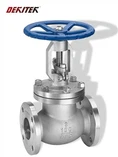

As a supplier of Duplex Steel Globe Valves, I understand the importance of ensuring these valves function at their optimal level. One crucial aspect of maintaining a duplex steel globe valve is adjusting its spring tension. In this blog post, I'll guide you through the process of adjusting the spring tension in a duplex steel globe valve, highlighting its significance and providing practical steps.
Understanding the Importance of Spring Tension in Duplex Steel Globe Valves
Before delving into the adjustment process, it's essential to understand why spring tension matters in a duplex steel globe valve. A globe valve is designed to regulate the flow of fluid in a pipeline, and the spring plays a vital role in this function. The spring tension determines the force required to open and close the valve. If the spring tension is too high, the valve may be difficult to open, leading to reduced flow rates and potential damage to the valve components. On the other hand, if the spring tension is too low, the valve may not close properly, resulting in leakage and inefficiencies in the system.
Proper spring tension ensures that the valve operates smoothly, provides accurate flow control, and maintains a tight seal when closed. This is particularly important in applications where precise flow regulation and leak prevention are critical, such as in chemical processing, oil and gas, and power generation industries.
Tools Required for Adjusting Spring Tension
To adjust the spring tension in a duplex steel globe valve, you'll need the following tools:
- Wrenches: A set of wrenches appropriate for the valve's size and type. This may include adjustable wrenches or socket wrenches.
- Spring Compressor: A spring compressor is used to compress the spring, allowing you to make adjustments to its tension.
- Feeler Gauge: A feeler gauge is used to measure the clearance between the valve components, which can help you determine the appropriate spring tension.
- Safety Equipment: Always wear safety glasses, gloves, and other appropriate safety gear when working on the valve to protect yourself from potential hazards.
Step-by-Step Guide to Adjusting Spring Tension
Now that you have the necessary tools, let's walk through the process of adjusting the spring tension in a duplex steel globe valve:
- Isolate the Valve: Before starting any work on the valve, ensure that the pipeline is depressurized and the valve is isolated from the system. This will prevent any fluid from flowing through the valve during the adjustment process and reduce the risk of injury.
- Remove the Bonnet: Use the appropriate wrenches to remove the bonnet from the valve body. The bonnet is the cover that houses the valve stem and spring assembly. Carefully set the bonnet aside, taking note of the orientation of any gaskets or seals.
- Locate the Spring: Once the bonnet is removed, you'll be able to see the spring assembly. The spring is typically located around the valve stem and is responsible for providing the necessary tension to open and close the valve.
- Compress the Spring: Use the spring compressor to compress the spring. This will allow you to make adjustments to its tension without the risk of the spring expanding suddenly and causing injury. Be careful not to over - compress the spring, as this can damage it.
- Adjust the Spring Tension: There are several ways to adjust the spring tension, depending on the design of the valve. Some valves have an adjustable nut or screw that can be turned to increase or decrease the spring tension. Use the appropriate tool to make the necessary adjustments. As you make adjustments, use the feeler gauge to measure the clearance between the valve components. This will help you ensure that the spring tension is set correctly.
- Test the Valve: After making the adjustments, release the spring compressor and carefully reinstall the bonnet. Make sure all the gaskets and seals are properly seated. Once the bonnet is reinstalled, slowly pressurize the pipeline and test the valve's operation. Check for any signs of leakage or improper opening and closing. If necessary, make further adjustments to the spring tension until the valve operates smoothly and provides the desired flow control.
Common Issues and Troubleshooting
During the process of adjusting the spring tension, you may encounter some common issues. Here are a few troubleshooting tips:
- Difficulty Compressing the Spring: If you're having trouble compressing the spring, it may be due to a damaged or seized spring. Inspect the spring for any signs of damage, such as cracks or corrosion. If the spring is damaged, it should be replaced.
- Valve Not Opening or Closing Properly: If the valve is not opening or closing properly after adjusting the spring tension, it could be due to incorrect adjustment or a problem with the valve components. Check the spring tension again and make sure it is set correctly. If the problem persists, inspect the valve stem, seat, and other components for any signs of damage or wear.
- Leakage: If you notice leakage around the valve after making the adjustments, it could be due to a faulty gasket or seal. Check the gaskets and seals for any signs of damage or improper installation. Replace any damaged gaskets or seals and make sure they are properly seated.
Related Products and Their Applications
In addition to duplex steel globe valves, we also offer a range of other globe valves, including Stainless Steel Globe Valve and Cast Steel Globe Valve. Stainless steel globe valves are known for their corrosion resistance and are suitable for applications in industries such as food and beverage, pharmaceuticals, and water treatment. Cast steel globe valves, on the other hand, are more robust and can withstand higher pressures and temperatures, making them ideal for use in power plants, refineries, and chemical processing plants.
Our Stainless Steel Globe Valve is available in various sizes and configurations to meet the specific needs of different applications. Whether you need a valve for a small - scale laboratory setup or a large - scale industrial process, we have the right solution for you.
Conclusion
Adjusting the spring tension in a duplex steel globe valve is a crucial maintenance task that can ensure the valve operates efficiently and reliably. By following the steps outlined in this blog post and using the appropriate tools, you can make the necessary adjustments to the spring tension and keep your valve in optimal condition.
If you're in the market for high - quality duplex steel globe valves or other types of globe valves, we invite you to contact us for more information. Our team of experts is ready to assist you in selecting the right valve for your application and providing you with the support you need to ensure its proper installation and operation.


References
- Valve Handbook, by J. S. Lieberman
- Industrial Valves: Selection, Installation, and Maintenance, by John P. Carruthers