


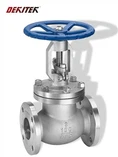

Hey there! As a supplier of Cast Steel Pressure Seal Gate Valves, I often get asked if these valves can be used in the pulp and paper industries. Well, let's dig into this topic and find out.
First off, let's understand what the pulp and paper industries need from their valves. In these industries, the processes involve handling various fluids like pulp suspensions, chemicals, and steam. The valves used need to be able to withstand high pressures and temperatures, resist corrosion from the chemicals used, and have a reliable sealing mechanism to prevent leaks.
Now, let's talk about Cast Steel Pressure Seal Gate Valves. These valves are known for their excellent pressure - containing capabilities. The pressure seal design means that as the internal pressure of the valve increases, the sealing force also increases. This is a huge advantage in the pulp and paper industries where high - pressure steam and other fluids are commonly used.


One of the key components in the pulp and paper manufacturing is the digester, where wood chips are cooked with chemicals to break them down into pulp. The digester operates at high pressures and temperatures. A Cast Steel Pressure Seal Gate Valve can handle these conditions without a hitch. Its cast steel construction provides the necessary strength to withstand the mechanical stresses, and the pressure seal design ensures a tight seal even under extreme pressure.
Another area in the pulp and paper process is the bleaching stage. Here, strong chemicals like chlorine dioxide and hydrogen peroxide are used to whiten the pulp. These chemicals are highly corrosive. Cast steel has good corrosion resistance properties, especially when properly treated or coated. This makes Cast Steel Pressure Seal Gate Valves suitable for controlling the flow of these corrosive chemicals.
When it comes to the steam systems in the pulp and paper mills, which are used for heating and power generation, the high - pressure steam needs to be regulated accurately. Cast Steel Pressure Seal Gate Valves offer precise flow control. The gate mechanism can be opened or closed smoothly to adjust the steam flow, ensuring efficient operation of the steam - powered equipment.
However, it's not all sunshine and rainbows. There are some considerations when using Cast Steel Pressure Seal Gate Valves in the pulp and paper industries. The pulp suspensions can contain solid particles, which may cause abrasion to the valve components over time. Regular maintenance and inspection are necessary to ensure the valve's long - term performance. Also, the cost of these valves is relatively higher compared to some other types of valves. But considering their durability and performance in harsh conditions, the investment can be well - worth it in the long run.
Now, if you're looking for other types of gate valves for your pulp and paper needs, we also offer Pneumatic Actuator Gate Valve. These valves are powered by pneumatic actuators, which can provide quick and reliable operation. They are great for applications where fast valve actuation is required.
Another option is the Carbon Steel Flexible Wedge Gate Valve. The flexible wedge design allows for better sealing in different operating conditions. It can adapt to minor misalignments and temperature variations, making it a versatile choice for various parts of the pulp and paper process.
If you're interested in our Cast Steel Pressure Seal Gate Valve, I encourage you to reach out for a purchase discussion. We can work together to figure out the best valve solutions for your specific pulp and paper industry requirements. Whether it's determining the right size, material coating, or installation details, we've got you covered.
In conclusion, Cast Steel Pressure Seal Gate Valves can definitely be used in the pulp and paper industries. Their ability to handle high pressures, resist corrosion, and provide precise flow control makes them a valuable asset in the complex processes of pulp and paper manufacturing. With proper maintenance and selection, they can contribute to the efficient and reliable operation of your pulp and paper mill.
References:
- "Valve Handbook" by William L. Nayfeh
- Industry reports on pulp and paper manufacturing processes and valve requirements.