


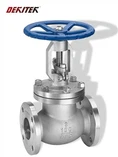

Hey there! As a supplier of Triple Offset BW End Butterfly Valves, I've seen firsthand how crucial corrosion resistance is for these valves. In harsh industrial environments, corrosion can significantly reduce the lifespan and performance of valves, leading to costly replacements and downtime. So, in this blog, I'm gonna share some practical ways to enhance the corrosion resistance of Triple Offset BW End Butterfly Valves.
Material Selection
The first step in enhancing corrosion resistance is choosing the right materials. Different materials have different levels of resistance to corrosion, depending on the environment they'll be exposed to.
- Stainless Steel: It's a popular choice for valve bodies and components. Stainless steel contains chromium, which forms a passive oxide layer on the surface. This layer acts as a barrier, protecting the metal from further oxidation and corrosion. For example, grades like 316L stainless steel are highly resistant to a wide range of corrosive substances, including acids, alkalis, and salts. They're suitable for applications in chemical processing plants, food and beverage industries, and marine environments.
- Alloy Materials: In more aggressive environments, alloy materials can be a better option. For instance, Hastelloy alloys are known for their excellent resistance to corrosion in strong acids, such as sulfuric acid and hydrochloric acid. These alloys are often used in chemical and petrochemical industries where the valves are exposed to highly corrosive fluids.
Surface Treatment
Surface treatment is another effective way to improve corrosion resistance.
- Coating: Applying a protective coating to the valve surface can create a barrier between the metal and the corrosive environment. There are various types of coatings available, such as epoxy coatings, polyurethane coatings, and ceramic coatings. Epoxy coatings are widely used because they offer good adhesion, chemical resistance, and durability. They can be applied to both the interior and exterior surfaces of the valve to prevent corrosion.
- Plating: Electroplating is a process of depositing a thin layer of metal onto the valve surface. For example, nickel plating can improve the corrosion resistance of the valve by providing a smooth and hard surface. It also enhances the valve's appearance and reduces friction. Chrome plating is another option, which offers excellent wear resistance and a high - gloss finish.
Design Optimization
The design of the valve can also play a significant role in corrosion resistance.
- Streamlined Design: A well - designed valve with a streamlined internal flow path can reduce the accumulation of corrosive substances. When fluids flow smoothly through the valve, there's less chance of stagnant areas where corrosion can occur. For example, a valve with a smooth bore and no sharp corners or crevices can prevent the buildup of debris and corrosive agents.
- Sealing Design: Proper sealing design is crucial to prevent the ingress of corrosive fluids into the valve body. The Triple Offset BW End Butterfly Valve has a unique sealing mechanism that provides a tight seal. However, it's important to choose the right sealing materials. For example, PTFE (Polytetrafluoroethylene) seals are highly resistant to chemicals and can withstand a wide range of temperatures. They're suitable for applications where the valve needs to seal against corrosive fluids.
Maintenance and Monitoring
Regular maintenance and monitoring are essential to ensure the long - term corrosion resistance of the valve.
- Inspection: Periodic inspections can help detect early signs of corrosion. Visual inspections can be used to check for surface rust, pitting, or discoloration. Non - destructive testing methods, such as ultrasonic testing and magnetic particle testing, can be used to detect internal corrosion that may not be visible to the naked eye.
- Cleaning and Lubrication: Cleaning the valve regularly can remove any corrosive substances that have accumulated on the surface. Lubricating the moving parts of the valve can also prevent corrosion by reducing friction and wear. It's important to use lubricants that are compatible with the valve materials and the operating environment.
Environmental Control
Controlling the operating environment can also have a positive impact on the valve's corrosion resistance.


- pH and Temperature Regulation: In some cases, adjusting the pH and temperature of the fluid can reduce its corrosiveness. For example, in a water treatment plant, adjusting the pH of the water can prevent the corrosion of the valves. Similarly, keeping the operating temperature within a certain range can also slow down the corrosion process.
- Filtration: Installing filters upstream of the valve can remove solid particles and contaminants from the fluid. These particles can act as abrasives, causing wear and corrosion on the valve surfaces. By removing them, the valve's lifespan can be extended.
Now, if you're in the market for high - quality Triple Offset BW End Butterfly Valves or other types of valves like the Double Offset Wafer Type Butterfly Valve, Lug Type Metal Sealing Butterfly Valve, or BW Type Metal Sealing Butterfly Valve, I'd love to have a chat with you. We can discuss your specific requirements and how we can provide you with valves that meet your corrosion - resistance needs.
References
- "Valve Handbook" by J. Paul Tullis
- "Corrosion Engineering" by Fontana and Greene