



In the realm of industrial fluid control, stainless steel globe valves stand as stalwarts, ensuring the efficient and reliable regulation of various media. As a seasoned supplier of stainless steel globe valves, I've witnessed firsthand the profound impact that stem material can have on the performance of these crucial components. In this blog, I'll delve into the intricate relationship between stem material and valve performance, shedding light on the factors that matter most in the selection process.
Understanding the Role of the Stem in a Stainless Steel Globe Valve
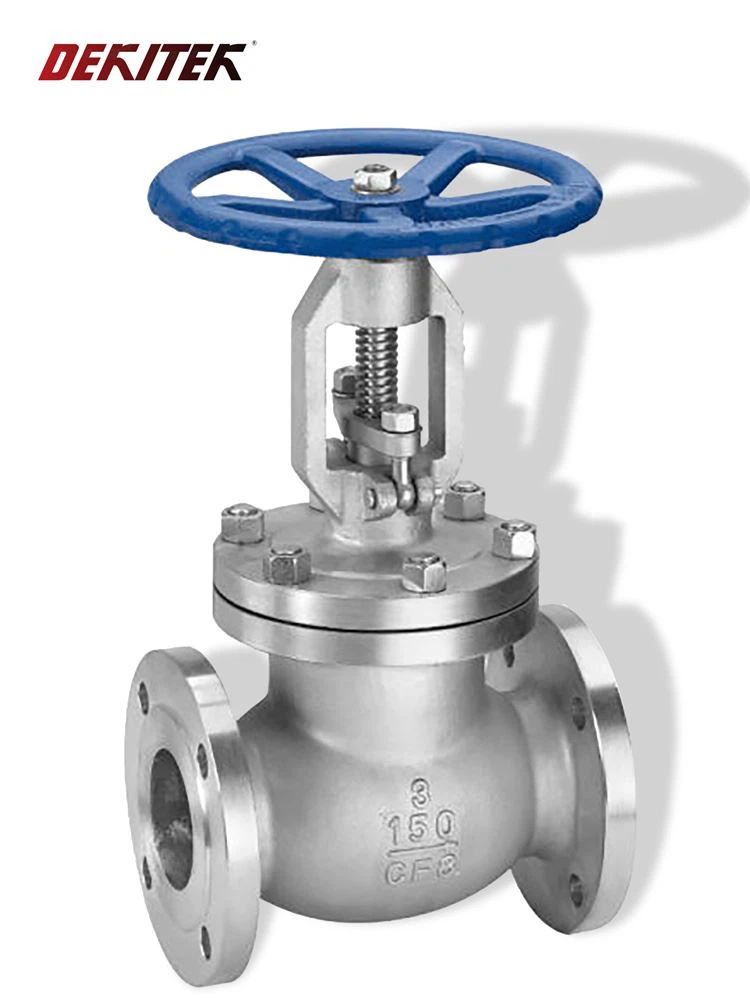
Before we explore the influence of stem material, it's essential to understand the stem's role within a globe valve. The stem serves as the link between the actuator and the disc, translating the actuator's motion into the opening and closing of the valve. This mechanical connection is critical for precise control of fluid flow, making the stem a key determinant of the valve's overall performance.
Key Performance Metrics Affected by Stem Material
Several performance metrics are directly influenced by the choice of stem material. These include:
1. Corrosion Resistance
One of the primary concerns in any industrial application is corrosion, which can significantly degrade the performance and lifespan of a valve. Stainless steel is renowned for its corrosion resistance, but not all stainless steels are created equal. The stem material must be able to withstand the corrosive effects of the fluid being controlled, as well as the environmental conditions in which the valve operates.
For example, in applications involving highly acidic or alkaline fluids, a stem made from a high-alloy stainless steel, such as duplex stainless steel, may be required. Duplex stainless steels offer superior corrosion resistance compared to standard austenitic stainless steels, making them ideal for harsh chemical environments. You can learn more about Duplex Steel Globe Valve on our website.
2. Strength and Durability
The stem must be strong enough to withstand the forces exerted during the opening and closing of the valve, as well as any external loads or vibrations. A weak or brittle stem can lead to premature failure, resulting in costly downtime and potential safety hazards.
The choice of stem material depends on the specific application requirements. For high-pressure applications, a stem made from a strong and ductile material, such as carbon steel or alloy steel, may be necessary. These materials offer excellent strength and toughness, ensuring reliable operation under extreme conditions. On the other hand, for low-pressure applications, a stainless steel stem may be sufficient. You can find more information about Cast Steel Globe Valve on our website.
3. Friction and Wear
Friction and wear are inevitable in any mechanical system, and the stem of a globe valve is no exception. Excessive friction can lead to increased operating torque, making it difficult to open and close the valve. Wear can also cause the stem to become loose or damaged, compromising the valve's performance.
To minimize friction and wear, the stem material should have a low coefficient of friction and good wear resistance. Some materials, such as stainless steel with a polished surface finish, offer excellent friction and wear characteristics. Additionally, the use of appropriate lubricants can further reduce friction and extend the lifespan of the stem.
4. Temperature Resistance
In applications where the valve is exposed to high temperatures, the stem material must be able to maintain its mechanical properties. High temperatures can cause the material to soften, leading to a loss of strength and dimensional stability.
For high-temperature applications, a stem made from a heat-resistant alloy, such as Inconel or Hastelloy, may be required. These alloys offer excellent resistance to high temperatures and oxidation, ensuring reliable operation in extreme heat.
Common Stem Materials and Their Characteristics
There are several common stem materials used in stainless steel globe valves, each with its own unique characteristics and advantages. Let's take a closer look at some of these materials:
1. Stainless Steel
Stainless steel is the most commonly used stem material in stainless steel globe valves. It offers a good balance of corrosion resistance, strength, and durability. Stainless steel stems are available in various grades, such as 304, 316, and 316L, each with different levels of corrosion resistance and mechanical properties.
304 stainless steel is a general-purpose stainless steel that offers good corrosion resistance in most environments. It is commonly used in applications where the fluid being controlled is not highly corrosive. 316 stainless steel, on the other hand, contains molybdenum, which enhances its corrosion resistance in chloride-rich environments. 316L stainless steel is a low-carbon version of 316 stainless steel, which offers improved weldability and resistance to intergranular corrosion.
2. Carbon Steel
Carbon steel is a strong and durable material that is commonly used in high-pressure applications. It offers excellent strength and toughness, making it suitable for applications where the valve is subjected to high forces. However, carbon steel is not as corrosion-resistant as stainless steel, so it may require additional protection, such as coating or plating, to prevent corrosion.

3. Alloy Steel
Alloy steel is a type of steel that contains additional alloying elements, such as chromium, nickel, and molybdenum, to enhance its mechanical properties. Alloy steel stems offer superior strength and corrosion resistance compared to carbon steel stems, making them suitable for a wide range of applications.
4. Duplex Stainless Steel
Duplex stainless steel is a type of stainless steel that combines the properties of austenitic and ferritic stainless steels. It offers excellent corrosion resistance, high strength, and good weldability. Duplex stainless steel stems are commonly used in applications where the valve is exposed to harsh chemical environments or high pressures.
Selecting the Right Stem Material for Your Application
Choosing the right stem material for your stainless steel globe valve is crucial for ensuring optimal performance and reliability. Here are some factors to consider when making your selection:
1. Fluid Compatibility
The stem material must be compatible with the fluid being controlled. Consider the chemical composition, temperature, and pressure of the fluid, as well as any potential contaminants or impurities.
2. Operating Conditions
The operating conditions, such as temperature, pressure, and environmental conditions, can also affect the choice of stem material. For example, in high-temperature applications, a heat-resistant alloy may be required, while in corrosive environments, a high-alloy stainless steel may be necessary.
3. Valve Design and Size
The design and size of the valve can also influence the choice of stem material. Larger valves may require a stronger and more durable stem material to withstand the forces exerted during operation.
4. Cost
Cost is always a consideration when selecting a stem material. While high-performance materials may offer superior properties, they may also be more expensive. It's important to balance the performance requirements with the cost to ensure the most cost-effective solution.
Conclusion
In conclusion, the stem material plays a crucial role in the performance of a stainless steel globe valve. By understanding the key performance metrics affected by stem material and the characteristics of common stem materials, you can make an informed decision when selecting the right stem material for your application.
As a leading supplier of stainless steel globe valves, we offer a wide range of stem materials to meet the diverse needs of our customers. Whether you need a standard stainless steel stem or a high-performance alloy stem, we have the expertise and experience to provide you with the right solution.
If you're interested in learning more about our stainless steel globe valves or need assistance in selecting the right stem material for your application, please don't hesitate to contact us. Our team of experts is ready to help you find the perfect valve for your needs.
References
- ASME B16.34 - Valves - Flanged, Threaded, and Welding End
- ASTM A182 - Standard Specification for Forged or Rolled Alloy and Stainless Steel Pipe Flanges, Forged Fittings, and Valves and Parts for High-Temperature Service
- API 602 - Compact Steel Gate Valves - Flanged, Threaded, and Welding End