



As a supplier of Duplex Steel Globe Valves, I've witnessed firsthand the critical role these valves play in various industrial applications. One of the most significant factors that can affect the performance and longevity of a duplex steel globe valve is pressure fluctuations. In this blog, I'll explore the impact of pressure fluctuations on a duplex steel globe valve, drawing on my industry experience and knowledge.
Understanding Duplex Steel Globe Valves
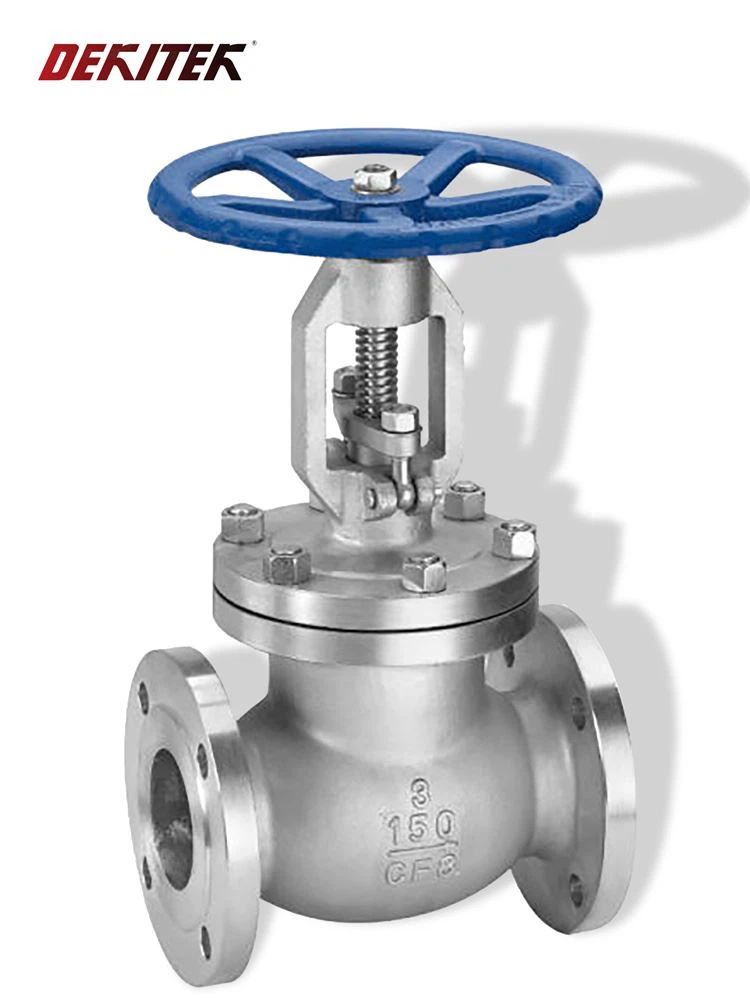
Before delving into the effects of pressure fluctuations, it's essential to understand what a duplex steel globe valve is. A Duplex Steel Globe Valve is a type of valve that uses a disc-shaped element to control the flow of fluid through a pipe. The valve gets its name from its spherical body, which contains a movable disc that can be raised or lowered to regulate the flow.
Duplex steel is a popular material for globe valves due to its excellent corrosion resistance, high strength, and good weldability. These properties make duplex steel globe valves suitable for a wide range of applications, including oil and gas, chemical processing, and power generation.
How Pressure Fluctuations Occur
Pressure fluctuations can occur in a piping system for various reasons. One common cause is the start-up and shutdown of pumps or compressors, which can create sudden changes in pressure. Another cause is the opening and closing of other valves in the system, which can also lead to pressure surges. Additionally, changes in flow rate, such as those caused by variations in demand or blockages in the pipeline, can result in pressure fluctuations.
Impact on Valve Sealing
One of the primary concerns when it comes to pressure fluctuations is their impact on the valve's sealing performance. The sealing surfaces of a globe valve are designed to provide a tight seal to prevent leakage. However, pressure fluctuations can cause the valve disc to move or vibrate, which can lead to wear and tear on the sealing surfaces. Over time, this can result in a loss of sealing integrity, leading to leakage.
For example, if the pressure in the pipeline suddenly increases, the force exerted on the valve disc can cause it to be forced against the seat more tightly. While this may seem beneficial for sealing, it can actually cause excessive wear on the sealing surfaces. Conversely, a sudden drop in pressure can cause the disc to lift slightly, allowing fluid to bypass the seal and leak.
Effect on Valve Actuation
Pressure fluctuations can also affect the valve's actuation mechanism. In a globe valve, the actuation mechanism is responsible for moving the valve disc up and down to control the flow. Pressure surges can cause the valve stem to experience additional forces, which can put stress on the actuation components.
For instance, if the pressure in the pipeline suddenly increases, the force acting on the valve disc can make it more difficult to move the stem. This can lead to increased wear on the stem and the actuator, potentially causing the valve to become difficult to operate or even fail to actuate properly.
Material Fatigue
Another significant impact of pressure fluctuations is material fatigue. The repeated changes in pressure can cause the duplex steel material of the valve to experience cyclic stress. Over time, this can lead to the development of cracks and other forms of damage in the valve body and components.
Material fatigue is a particular concern in applications where the pressure fluctuations are frequent and severe. For example, in a high-pressure piping system that experiences regular start-up and shutdown cycles, the valve is more likely to suffer from material fatigue. Once cracks develop, they can propagate over time, eventually leading to the failure of the valve.
Erosion and Cavitation
Pressure fluctuations can also contribute to erosion and cavitation in the valve. Erosion occurs when the high-velocity flow of fluid carries particles that wear away the valve components. Cavitation, on the other hand, happens when the pressure in the fluid drops below its vapor pressure, causing the formation of vapor bubbles. When these bubbles collapse, they can create shockwaves that damage the valve surfaces.

In a system with pressure fluctuations, the changes in flow rate and pressure can increase the likelihood of erosion and cavitation. For example, a sudden increase in pressure can cause the fluid to flow at a higher velocity, increasing the erosive effect. Similarly, pressure drops can lead to the formation of cavitation bubbles.
Impact on Valve Lifespan
The combined effects of pressure fluctuations on valve sealing, actuation, material fatigue, erosion, and cavitation can significantly reduce the lifespan of a duplex steel globe valve. A valve that is subjected to frequent and severe pressure fluctuations may need to be replaced more frequently than one that operates under stable conditions. This not only increases the cost of maintenance but also disrupts the operation of the entire system.
Mitigating the Impact of Pressure Fluctuations
To minimize the impact of pressure fluctuations on a duplex steel globe valve, several measures can be taken. One approach is to install pressure relief valves in the piping system. These valves are designed to open when the pressure exceeds a certain set point, releasing the excess pressure and preventing damage to the valve and other components.
Another strategy is to use dampeners or surge suppressors. These devices can absorb the energy of pressure surges, reducing their impact on the valve. Additionally, proper system design, including the use of appropriate pipe sizes and the correct placement of valves, can help to minimize pressure fluctuations.
Comparison with Other Valve Types
When considering the impact of pressure fluctuations, it's interesting to compare duplex steel globe valves with other types of valves, such as Cast Steel Globe Valve and Stainless Steel Globe Valve. While all globe valves are susceptible to the effects of pressure fluctuations, duplex steel globe valves generally offer better resistance due to their higher strength and corrosion resistance.
Cast steel globe valves may be more prone to damage from pressure fluctuations because cast steel is typically less ductile than duplex steel. This means that it may be more likely to crack under the stress of pressure surges. Stainless steel globe valves, while also having good corrosion resistance, may not have the same level of strength as duplex steel, which can make them more vulnerable to the effects of pressure fluctuations.
Importance of Regular Maintenance
Regardless of the measures taken to mitigate the impact of pressure fluctuations, regular maintenance of the duplex steel globe valve is crucial. This includes inspecting the valve for signs of wear and damage, lubricating the actuation mechanism, and replacing any worn or damaged components. By performing regular maintenance, the valve's performance can be optimized, and its lifespan can be extended.
Conclusion
In conclusion, pressure fluctuations can have a significant impact on the performance and lifespan of a duplex steel globe valve. They can affect the valve's sealing performance, actuation mechanism, and lead to material fatigue, erosion, and cavitation. However, by understanding the causes and effects of pressure fluctuations and taking appropriate measures to mitigate them, such as installing pressure relief valves and performing regular maintenance, the negative impact can be minimized.
If you're in the market for a high-quality duplex steel globe valve or need advice on how to manage pressure fluctuations in your piping system, I encourage you to reach out. Our team of experts is ready to assist you in finding the right valve solution for your specific needs. We can provide you with detailed product information, technical support, and help you make an informed decision. Contact us today to start the procurement process and ensure the reliable operation of your industrial system.
References
- ASME B16.34 - Valves - Flanged, Threaded, and Welding End
- API 600 - Steel Gate Valves - Flanged and Butt - Welding Ends, Bolted Bonnet
- ISO 5208 - Industrial valves - Pressure testing of valves