


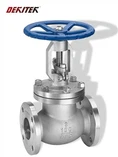

Hey there! As a supplier of Top Entry Ball Valves, I've been in the valve game for quite a while. And let me tell you, when it comes to nuclear power plants, the requirements for these valves are no joke. They're super strict, and for good reason. Safety and reliability are the name of the game in the nuclear industry, and these valves play a crucial role in keeping everything running smoothly.
First off, let's talk about the materials. In a nuclear power plant, the environment is extremely harsh. There are high temperatures, high pressures, and all sorts of corrosive substances floating around. So, the materials used to make Top Entry Ball Valves need to be top - notch. We're talking about high - grade stainless steels and special alloys that can withstand all that abuse. These materials need to have excellent corrosion resistance to prevent any leaks that could lead to radioactive material getting out. For example, some valves are made from Inconel, a nickel - chromium alloy that's known for its great strength and corrosion resistance even in extreme conditions.
Another key requirement is the design. The design of a Top Entry Ball Valve in a nuclear power plant has to be foolproof. It needs to be able to open and close precisely, every single time. A small mistake in the valve's operation could lead to big problems. The valve should have a tight seal to prevent any fluid or gas from escaping. And the ball inside the valve needs to be perfectly spherical and smooth. Any imperfections could cause leaks or affect the valve's performance.
Now, let's get into the testing and certification. Before a Top Entry Ball Valve can be installed in a nuclear power plant, it has to go through a ton of testing. There are pressure tests to make sure the valve can handle the high pressures in the plant. There are also leakage tests to check for any unwanted leaks. And these tests are not just done once. They're repeated over and over again to ensure consistent performance.
In addition to the regular tests, the valves also need to meet strict certification standards. For example, they might need to meet the requirements of the American Society of Mechanical Engineers (ASME) Boiler and Pressure Vessel Code. This code sets out all the rules and regulations for the design, construction, and testing of pressure vessels and valves in nuclear power plants. Only valves that pass these strict certifications can be used in the plant.
The reliability of the valve is also a major concern. Nuclear power plants run 24/7, and they can't afford to have a valve break down. So, the Top Entry Ball Valves need to be extremely reliable. They should have a long service life and require minimal maintenance. We use advanced manufacturing techniques to ensure that our valves are built to last. For instance, we use precision machining to make sure all the parts fit together perfectly.
Now, I want to mention a few other types of ball valves that are also important in the industry. You might be interested in the Fully Welded Ball Valve. These valves are great because they have no external leakage points, which is crucial in a nuclear power plant. They're also very strong and can handle high pressures.
Another option is the Cast Steel Soft Seated Floating Ball Valve. These valves are known for their good sealing performance. The soft seat provides a tight seal, which is important for preventing leaks.

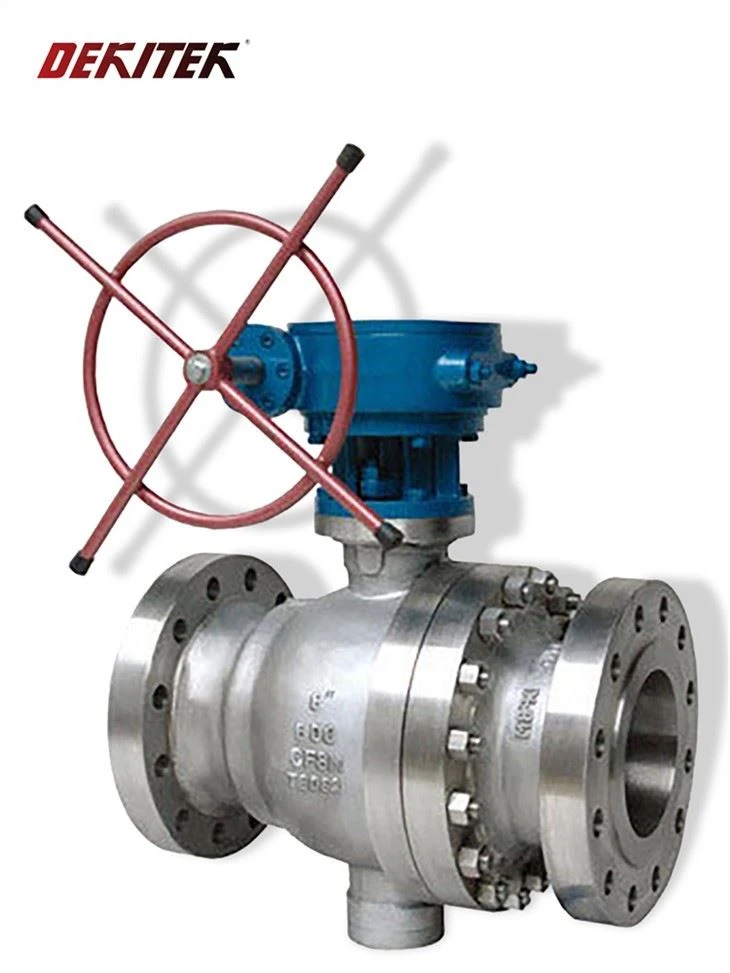
And then there's the Trunnion Mounted Metal Seated Forged Ball Valve. This type of valve is designed for high - pressure and high - temperature applications. The trunnion mounting helps to reduce the operating torque, making it easier to open and close the valve.
When it comes to installation and maintenance, there are also strict requirements. The installation of a Top Entry Ball Valve in a nuclear power plant has to be done by trained professionals. They need to follow all the safety procedures to make sure the valve is installed correctly. And during maintenance, the valve has to be inspected regularly to check for any signs of wear or damage.
In conclusion, the requirements for a Top Entry Ball Valve in a nuclear power plant are very strict. From the materials to the design, testing, and maintenance, every aspect has to meet high standards. As a supplier, we take these requirements very seriously. We're committed to providing high - quality valves that meet all the strict regulations of the nuclear industry.
If you're in the market for Top Entry Ball Valves or any of the other types of ball valves I mentioned, don't hesitate to reach out. We'd be more than happy to discuss your needs and see how we can help. Whether you're building a new nuclear power plant or upgrading an existing one, we've got the expertise and the products to meet your requirements. Let's have a chat and see if we can work together to keep your nuclear power plant running safely and efficiently.
References:
- American Society of Mechanical Engineers (ASME) Boiler and Pressure Vessel Code
- Industry standards and guidelines for nuclear power plant components