



Can a Top Entry Ball Valve be installed in any flow direction?
Hey there! I'm a supplier of top entry ball valves, and I often get asked this question: Can a top entry ball valve be installed in any flow direction? Well, let's dive into this topic and clear up any confusion.
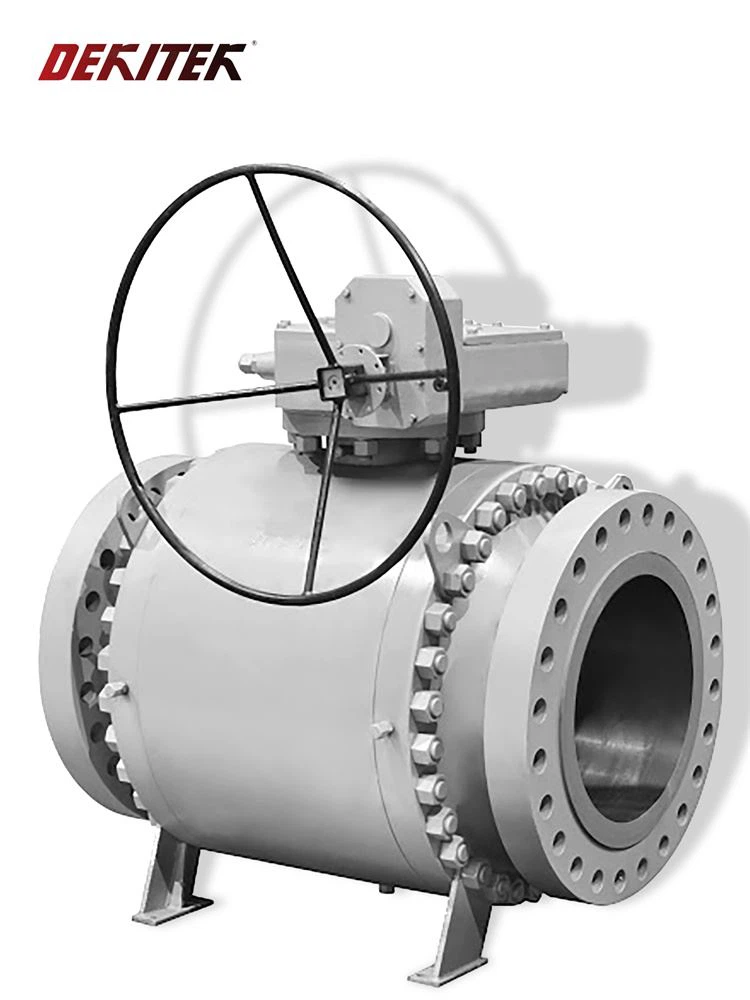
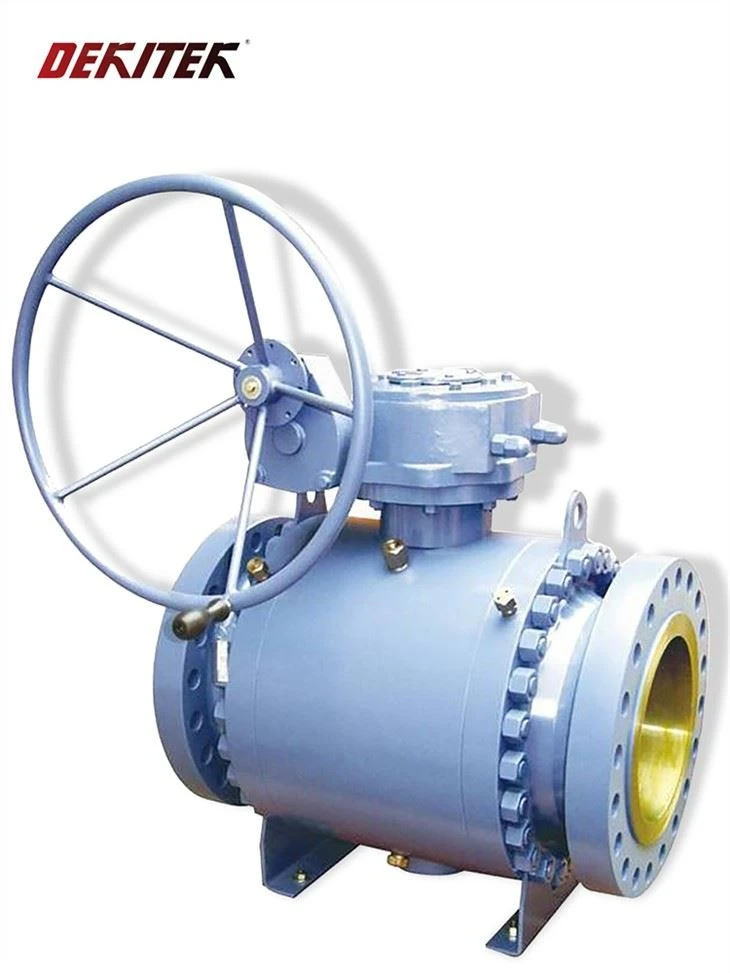
First off, what's a top entry ball valve? It's a type of valve where the internals, like the ball and seats, can be accessed from the top of the valve body. This design makes maintenance and repair a whole lot easier compared to some other valve types.
Now, back to the main question. In general, most top entry ball valves are designed to be bi - directional, which means they can handle flow in either direction. This is a huge advantage in many industrial applications. For example, in a piping system where the flow direction might change due to process requirements or system reconfigurations, a bi - directional top entry ball valve can be a real lifesaver.
Let's talk about some of the reasons why a top entry ball valve can usually work in any flow direction. The ball inside the valve is spherical, and when it's in the open position, it allows fluid to pass through with relatively low resistance, regardless of which way the fluid is flowing. The seats of the valve are also designed to seal effectively from both sides. Whether the pressure is coming from one side or the other, the seats can form a tight seal to prevent leakage.
However, it's not always a one - size - fits - all situation. There are some factors that can affect whether a top entry ball valve should be installed in a specific flow direction. One of these factors is the type of sealing material. For instance, if you're using a soft - seated valve, like our Cast Steel Soft Seated Floating Ball Valve, the soft material might have different wear characteristics depending on the flow direction. If the flow is constantly pushing against the soft seat in a particular way, it could lead to uneven wear over time, which might reduce the valve's lifespan and sealing performance.
Another factor is the pressure differential across the valve. In some high - pressure applications, the valve might be designed to handle a certain pressure direction better. If the pressure is too high from the “wrong” side, it could potentially damage the valve components or cause the seats to deform, leading to leakage.
Trunnion - mounted ball valves, such as our Trunnion Mounted Metal Seated Ball Valve, are often used in high - pressure and large - diameter applications. These valves have additional support for the ball, which helps them handle high pressures more effectively. But even these valves might have some considerations regarding flow direction. For example, the trunnion design might be optimized for a certain flow pattern, and installing it in the wrong direction could lead to increased turbulence and potential damage to the valve or the piping system.
Cast steel metal - seated floating ball valves, like our Cast Steel Metal Seated Floating Ball Valve, also need to be considered carefully. Metal seats are more durable than soft seats, but they can still be affected by flow direction, especially in applications where there are abrasive particles in the fluid. If the flow is not in the optimal direction, the abrasive particles could cause more wear on the seats and other internal components.
So, what should you do when installing a top entry ball valve? First, always check the manufacturer's instructions. We provide detailed guidelines on the proper installation and flow direction for each of our valves. These instructions are based on extensive testing and engineering knowledge to ensure the best performance and longevity of the valve.
If you're not sure about the flow direction requirements for your specific application, it's a good idea to consult with an engineer or a technical expert. They can analyze your system's conditions, such as pressure, temperature, fluid type, and flow rate, and recommend the best way to install the valve.
In addition to the technical aspects, it's also important to think about maintenance. When the valve is installed in the correct flow direction, it can make maintenance easier. For example, if there's a problem with the valve seats, it's easier to access and replace them if the valve is installed in a way that aligns with the normal maintenance procedures.
To sum it up, while many top entry ball valves are designed to work in any flow direction, there are several factors that can influence the optimal installation. It's crucial to consider the type of valve, the sealing material, the pressure differential, and the nature of the fluid. By taking these factors into account and following the manufacturer's guidelines, you can ensure that your top entry ball valve performs at its best and has a long service life.
If you're in the market for a top entry ball valve or have any questions about our products, don't hesitate to reach out. We're here to help you find the right valve for your application and provide all the support you need during the installation and operation process. Whether it's a small - scale project or a large industrial installation, we've got the expertise and the quality products to meet your needs. Contact us today to start the conversation about your valve requirements and let's work together to get the job done right.
References
- Valve Handbook, Various editions
- Industrial Piping and Valve Standards, ASME and other relevant organizations