


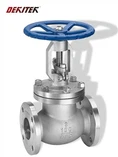

As a seasoned supplier of Alloy Steel Globe Valve, I understand the critical importance of preventing leakage at the valve stem. Valve stem leakage not only compromises the efficiency of industrial processes but also poses significant safety risks. In this blog, I will share some effective strategies and best practices to prevent leakage at the valve stem of an Alloy Steel Globe Valve.
Understanding the Causes of Valve Stem Leakage
Before delving into prevention methods, it is essential to understand the root causes of valve stem leakage. There are several factors that can contribute to this issue, including:
- Wear and Tear: Over time, the valve stem and packing materials can experience wear and tear due to friction, vibration, and chemical exposure. This can lead to gaps and spaces between the stem and packing, allowing fluid to leak out.
- Improper Installation: Incorrect installation of the valve stem packing can also result in leakage. If the packing is not properly compressed or aligned, it may not provide an effective seal.
- High Pressure and Temperature: Alloy Steel Globe Valves are often used in high-pressure and high-temperature applications. These extreme conditions can cause the packing materials to expand or contract, leading to leakage.
- Corrosion: Corrosion can weaken the valve stem and packing materials, reducing their effectiveness and causing leakage.
Preventive Measures
To prevent leakage at the valve stem of an Alloy Steel Globe Valve, the following preventive measures can be taken:
1. Select the Right Packing Material
The choice of packing material is crucial in preventing valve stem leakage. Different applications require different types of packing materials, depending on factors such as temperature, pressure, and chemical compatibility. Some common packing materials used for Alloy Steel Globe Valves include:
- Graphite Packing: Graphite packing is a popular choice for high-temperature applications due to its excellent thermal stability and chemical resistance. It can withstand temperatures up to 1000°C and is suitable for use in a wide range of fluids, including steam, oil, and chemicals.
- PTFE Packing: PTFE (Polytetrafluoroethylene) packing is known for its low friction coefficient and excellent chemical resistance. It is suitable for use in applications where a tight seal is required, such as in the food and beverage industry.
- Aramid Fiber Packing: Aramid fiber packing is a high-strength packing material that offers excellent abrasion resistance and thermal stability. It is commonly used in applications where high pressure and high temperature are present, such as in the oil and gas industry.
When selecting a packing material, it is important to consider the specific requirements of the application and consult with a packing manufacturer or supplier for expert advice.
2. Proper Installation
Proper installation of the valve stem packing is essential to ensure a tight seal and prevent leakage. The following steps should be followed during installation:
- Clean the Valve Stem: Before installing the packing, the valve stem should be thoroughly cleaned to remove any dirt, debris, or corrosion. This will ensure a smooth surface for the packing to seal against.
- Cut the Packing to the Correct Size: The packing should be cut to the correct size to fit the valve stem and packing gland. It is important to use a sharp knife or scissors to make clean cuts and avoid fraying the packing.
- Install the Packing in Layers: The packing should be installed in layers, with each layer being compressed evenly. It is important to use a packing tool to ensure that the packing is properly compressed and aligned.
- Tighten the Packing Gland: After installing the packing, the packing gland should be tightened gradually to apply the correct amount of pressure. Over-tightening the packing gland can cause the packing to wear out prematurely, while under-tightening can result in leakage.
3. Regular Maintenance
Regular maintenance is essential to prevent valve stem leakage and ensure the long-term performance of the valve. The following maintenance tasks should be performed regularly:
- Inspect the Packing: The packing should be inspected regularly for signs of wear, damage, or leakage. If any issues are detected, the packing should be replaced immediately.
- Lubricate the Valve Stem: Lubricating the valve stem can reduce friction and wear, extending the life of the packing. A suitable lubricant should be selected based on the type of packing material and the application.
- Check the Valve Stem Alignment: The valve stem should be checked regularly for alignment to ensure that it is not binding or rubbing against the packing. Misaligned valve stems can cause premature wear and leakage.
- Monitor the Operating Conditions: The operating conditions of the valve, such as pressure, temperature, and flow rate, should be monitored regularly to ensure that they are within the recommended range. Exceeding the recommended operating conditions can cause the packing to fail and result in leakage.
4. Use a Stem Sealant
In addition to using the right packing material and proper installation techniques, a stem sealant can be used to provide an extra layer of protection against leakage. Stem sealants are typically applied to the valve stem before installing the packing and can help to fill any gaps or spaces between the stem and packing, providing a more effective seal.

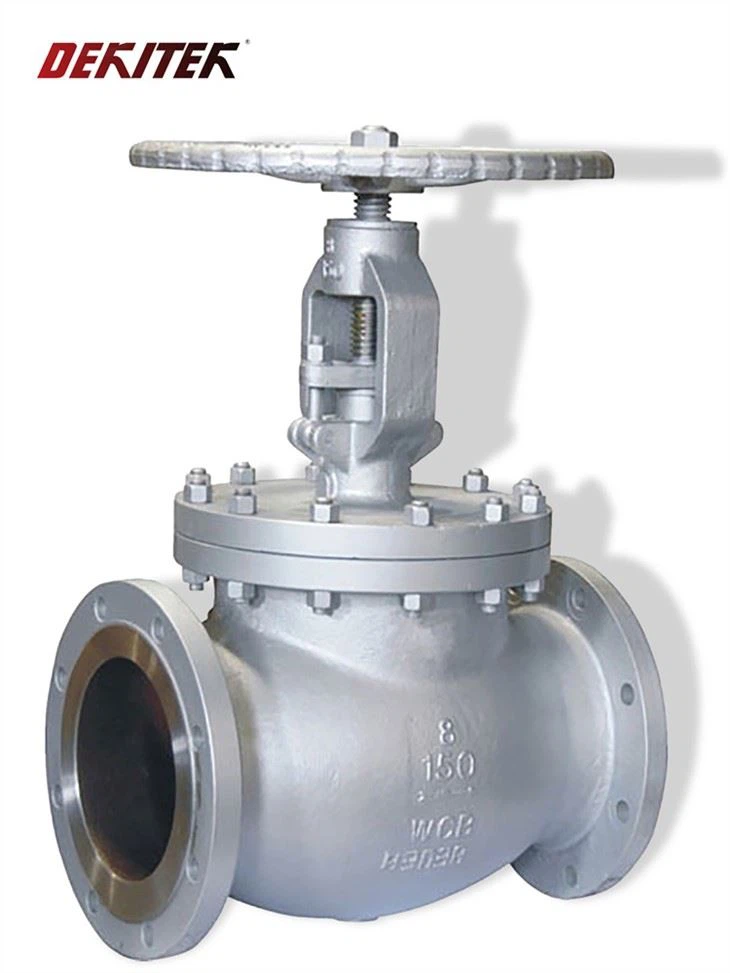
5. Upgrade to a Duplex Steel Globe Valve or Cast Steel Globe Valve
If leakage issues persist despite taking all the preventive measures, it may be necessary to upgrade to a Duplex Steel Globe Valve or Cast Steel Globe Valve. Duplex steel and cast steel valves offer superior strength, corrosion resistance, and durability compared to alloy steel valves, making them more suitable for high-pressure and high-temperature applications.
Conclusion
Preventing leakage at the valve stem of an Alloy Steel Globe Valve is essential to ensure the efficiency and safety of industrial processes. By selecting the right packing material, proper installation, regular maintenance, using a stem sealant, and upgrading to a more suitable valve if necessary, valve stem leakage can be effectively prevented.
As a trusted supplier of Alloy Steel Globe Valves, we are committed to providing our customers with high-quality valves and expert advice on valve selection, installation, and maintenance. If you have any questions or need assistance with preventing valve stem leakage, please do not hesitate to contact us. We look forward to working with you to meet your valve needs and ensure the success of your projects.
References
- Valve Handbook, 4th Edition, by Ernest O. Schweitzer
- Valve Selection Handbook, 3rd Edition, by William L. Nayfeh
- Handbook of Valves, 2nd Edition, by A. S. Ramakrishnan