



Hey there! As a ball valve supplier, I've been getting a lot of questions lately about the hygienic requirements for ball valves in the food industry. It's a super important topic, so I thought I'd share some insights with you all.
First off, let's talk about why hygiene is such a big deal in the food industry. When it comes to food processing and handling, any contamination can lead to serious health risks for consumers. Ball valves play a crucial role in controlling the flow of food products, ingredients, and cleaning agents in various processes. So, they need to meet strict hygienic standards to ensure the safety and quality of the food.
One of the key hygienic requirements for ball valves in the food industry is material selection. The materials used in the valve construction should be non - toxic, corrosion - resistant, and easy to clean. Stainless steel is a popular choice because it's durable, doesn't react with food products, and can withstand frequent cleaning and sanitization. For example, 316L stainless steel is often used as it has excellent corrosion resistance, even in harsh cleaning environments.
Another important aspect is the design of the ball valve. A good design minimizes areas where food particles, bacteria, or other contaminants can accumulate. Smooth surfaces are a must. Rough or pitted surfaces can trap food residues, which can then become a breeding ground for bacteria. Valves should also have a streamlined internal structure to allow for easy flow of food products and efficient cleaning. For instance, a full - port ball valve design provides a straight - through flow path, reducing the chances of product buildup.
Sealing is also a critical factor. The seals in a ball valve need to be made from food - grade materials. Elastomers like EPDM (Ethylene Propylene Diene Monomer) and PTFE (Polytetrafluoroethylene) are commonly used. These materials are resistant to chemicals used in cleaning and sanitizing processes and are safe for contact with food. A proper seal prevents leakage of food products and also keeps out external contaminants.
Cleanability is perhaps the most obvious hygienic requirement. Ball valves should be easy to disassemble and reassemble for thorough cleaning. Many modern ball valves are designed with quick - disconnect features, which allow for easy removal of components like the ball, stem, and seals. This makes it possible to clean every part of the valve properly. Regular cleaning and sanitization are essential to prevent the growth of bacteria and other microorganisms.
Now, let's talk about some of the specific types of ball valves we offer and how they meet these hygienic requirements.
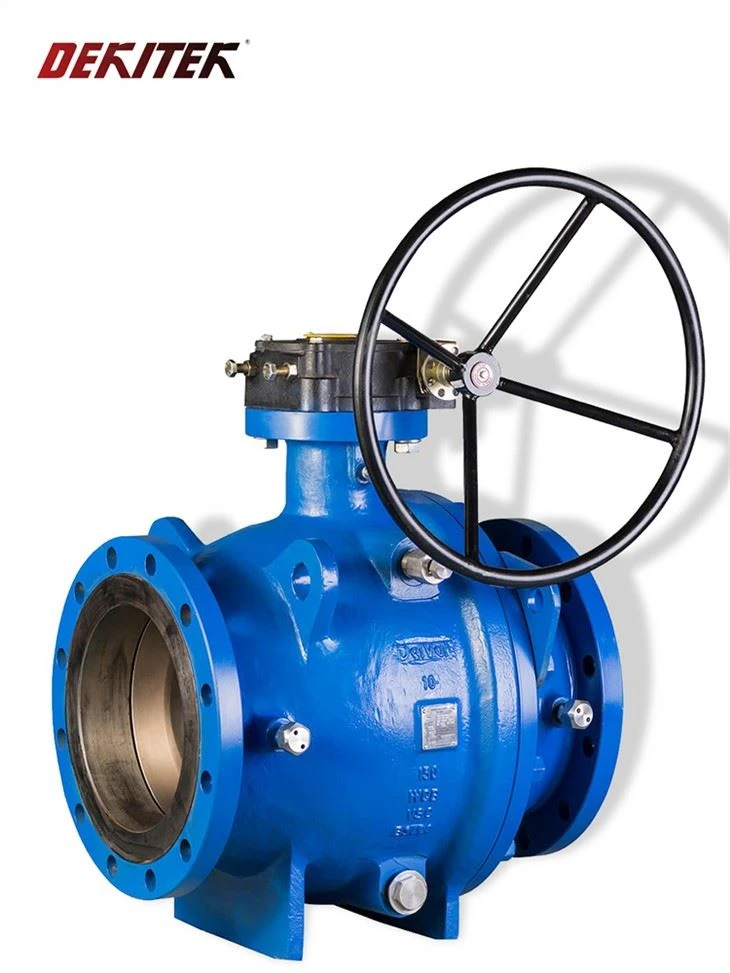
The Trunnion Mounted Metal Seated Ball Valve is a great option for high - pressure applications in the food industry. The metal seats are made from high - quality stainless steel, which is not only durable but also easy to clean. The trunnion - mounted design provides stable operation, and the smooth metal surfaces minimize the risk of contamination.
Our Forged Floating Soft Seated Ball Valve is ideal for applications where a tight seal is required. The soft seats, made from food - grade elastomers, ensure a leak - free operation. The forged construction gives the valve strength and durability, and the floating design allows for self - alignment, which helps in maintaining a good seal.
The Fully Welded Ball Valve is a great choice for systems where a hermetic seal is needed. The fully welded body eliminates the risk of external leakage and also reduces the number of potential crevices where contaminants can accumulate. It's a robust and hygienic option for food processing plants.
In addition to these design and material requirements, ball valves in the food industry also need to comply with various industry standards. For example, the 3 - A Sanitary Standards are widely recognized in the United States. These standards set guidelines for the design, construction, and testing of equipment used in the dairy, food, and beverage industries. Valves that meet these standards have been tested to ensure they are safe and hygienic for use in food processing.
When it comes to installation, it's important to ensure that the ball valve is installed correctly. Proper alignment and support are necessary to prevent stress on the valve, which could lead to leaks or damage. The valve should also be installed in a location where it's easily accessible for maintenance and cleaning.

Maintenance is an ongoing process. Regular inspections should be carried out to check for signs of wear, damage, or contamination. Seals should be replaced at recommended intervals to ensure a proper seal. Cleaning and sanitization procedures should be followed strictly, and records of these activities should be kept.
If you're in the food industry and are looking for high - quality ball valves that meet all the hygienic requirements, you've come to the right place. We understand the unique needs of the food industry and are committed to providing valves that are not only reliable but also hygienic. Whether you need a valve for a small - scale food production facility or a large - scale processing plant, we have the right solution for you.
Don't hesitate to reach out if you have any questions or if you're interested in discussing your specific requirements. We're here to help you find the perfect ball valve for your food processing needs. Let's work together to ensure the safety and quality of your food products.
References
- 3 - A Sanitary Standards for the Dairy, Food, and Beverage Industries
- Industry best practices for food processing equipment hygiene