



Hey there! As a supplier of Pneumatic Actuator Gate Valves, I often get asked about how to test the performance of these valves. It's a crucial step to ensure that they work properly and meet the required standards. In this blog, I'll share some practical ways to test the performance of a pneumatic actuator gate valve.
1. Visual Inspection
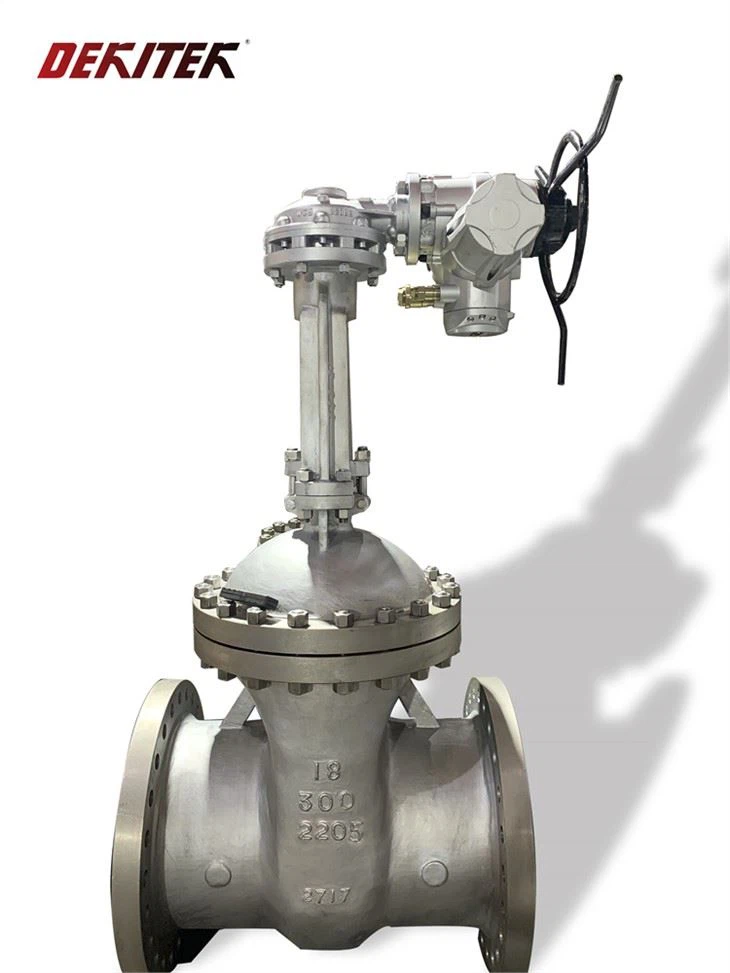
Before diving into more complex tests, a simple visual inspection is a must. Check the valve body for any visible damages, such as cracks, dents, or corrosion. Look at the actuator too - make sure all the components are intact and there are no loose parts. Any signs of physical damage can affect the valve's performance and might lead to leaks or malfunctions later on.
2. Functionality Test
The next step is to test the basic functionality of the valve. First, make sure the pneumatic actuator is properly connected to the air supply. Open the air supply valve and observe the movement of the valve. The gate should open and close smoothly without any jerks or hesitations.
If the valve is not moving as it should, there could be several reasons. It might be due to a blockage in the air lines, a faulty actuator, or an issue with the valve itself. Check the air lines for any kinks or blockages. You can also try adjusting the pressure of the air supply to see if that makes a difference.

3. Leakage Test
Leakage is a major concern when it comes to gate valves. A leaky valve can lead to loss of fluid or gas, which can be both costly and dangerous. To test for leakage, you can use a pressure test.
First, close the valve completely and isolate it from the system. Then, apply pressure to the inlet side of the valve. You can use a pressure gauge to monitor the pressure. If the pressure drops over time, it indicates a leak.
There are different types of leakage tests, such as the shell test and the seat test. The shell test checks for leaks in the valve body, while the seat test checks for leaks between the gate and the valve seats.
4. Torque Test
The torque test is important to ensure that the actuator has enough power to open and close the valve. You can use a torque wrench to measure the torque required to operate the valve.
The torque required depends on several factors, such as the size of the valve, the pressure of the fluid or gas, and the type of sealing material. Make sure the measured torque is within the specified range for the valve. If the torque is too high, it could indicate a problem with the valve or the actuator.
5. Cycle Test
A cycle test involves opening and closing the valve multiple times to check its durability and reliability. You can use a timer to record the time it takes for the valve to open and close each cycle.
During the cycle test, pay attention to any changes in the valve's performance. If the valve starts to operate more slowly or if there are any unusual noises, it could be a sign of a problem.
6. Flow Test
The flow test is used to measure the flow rate through the valve. You can use a flow meter to measure the flow rate at different valve openings.
The flow rate should be consistent with the valve's specifications. If the flow rate is lower than expected, it could be due to a blockage in the valve or a problem with the actuator.
Why Testing is Crucial
Testing the performance of a pneumatic actuator gate valve is not just a formality. It's essential for several reasons. First, it ensures the safety of the system. A faulty valve can lead to leaks, which can cause fires, explosions, or environmental hazards.
Second, it helps to maintain the efficiency of the system. A valve that is not performing properly can lead to increased energy consumption and reduced productivity.
Finally, testing helps to meet the regulatory requirements. Many industries have strict regulations regarding the performance of valves, and regular testing is necessary to comply with these regulations.
Our Product Range
As a supplier, we offer a wide range of Pneumatic Actuator Gate Valves, including Duplex Stainless Steel Gate Valve, Alloy Steel Pressure Seal Gate Valve, and Duplex Stainless Steel Pressure Seal Gate Valve. These valves are made from high-quality materials and are designed to meet the highest standards of performance and reliability.
Conclusion
Testing the performance of a pneumatic actuator gate valve is a multi-step process that requires careful attention to detail. By following the steps outlined in this blog, you can ensure that your valves are working properly and meet the required standards.
If you're in the market for high-quality Pneumatic Actuator Gate Valves or have any questions about valve testing, feel free to reach out. We're here to help you make the right choice for your needs.
References
- ASME Standards on Valve Testing
- API Standards for Pneumatic Actuator Gate Valves
- Manufacturer's Manuals for Pneumatic Actuator Gate Valves