


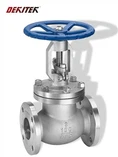

Can a Butterfly Valve be Used in Corrosive Environments?
In the realm of industrial fluid control, the question of whether a butterfly valve can be used in corrosive environments is of paramount importance. As a seasoned butterfly valve supplier, I've witnessed firsthand the diverse applications and challenges that come with operating in such harsh conditions. In this blog, I'll delve into the technical aspects, explore the suitability of butterfly valves, and highlight our product offerings designed to withstand corrosive environments.
Understanding Corrosive Environments
Corrosive environments are characterized by the presence of chemicals, acids, alkalis, or other substances that can degrade materials over time. Industries such as chemical processing, wastewater treatment, and oil and gas often encounter highly corrosive media. The corrosion process can lead to the deterioration of valve components, resulting in leaks, reduced performance, and ultimately, system failure. Therefore, selecting the right valve for these environments is crucial to ensure long-term reliability and safety.
How Butterfly Valves Work
Before discussing their suitability in corrosive environments, it's essential to understand how butterfly valves operate. A butterfly valve consists of a disc mounted on a shaft that rotates within the valve body. When the disc is perpendicular to the flow direction, the valve is closed, and when it's parallel, the valve is open. This simple yet effective design allows for quick and easy flow control, making butterfly valves a popular choice in many industrial applications.
Suitability of Butterfly Valves in Corrosive Environments
The suitability of a butterfly valve in a corrosive environment depends on several factors, including the type of corrosive media, the temperature and pressure of the system, and the material of the valve components.
Material Selection
The choice of materials is critical when using butterfly valves in corrosive environments. Common materials for valve bodies and discs include stainless steel, cast iron, and various alloys. Stainless steel, particularly grades like 316L, offers excellent corrosion resistance in many applications. It contains chromium and nickel, which form a passive oxide layer on the surface, protecting the material from further corrosion.
For more aggressive corrosive media, special alloys such as Hastelloy or titanium may be required. These materials have superior resistance to a wide range of chemicals and are often used in high-end applications where reliability is paramount.
Coatings and Linings
In addition to selecting the right base material, coatings and linings can provide an extra layer of protection. Epoxy coatings, for example, can be applied to the valve body and disc to prevent direct contact between the corrosive media and the metal surface. Rubber linings, such as EPDM or PTFE, can also be used to isolate the valve components from the corrosive environment. These linings not only protect the valve but also improve the sealing performance of the valve.
Valve Design Considerations
The design of the butterfly valve can also impact its performance in corrosive environments. For example, a valve with a tight shut-off design can prevent leakage of corrosive media, reducing the risk of damage to the valve and surrounding equipment. Additionally, a valve with smooth internal surfaces can minimize the accumulation of corrosive substances, which can lead to localized corrosion.
Our Product Offerings for Corrosive Environments
As a butterfly valve supplier, we offer a range of products specifically designed to meet the challenges of corrosive environments.
Triple Offset Butterfly Valves
Our Triple Offset BW End Butterfly Valve, Triple Offset Flange End Type Butterfly Valve, and Triple Offset Lug Type Butterfly Valve are ideal for corrosive applications. These valves feature a unique triple offset design, which provides a bubble-tight shut-off and excellent flow control.
The triple offset design eliminates the rubbing action between the disc and the seat during operation, reducing wear and tear and extending the service life of the valve. The valves are available in a variety of materials, including stainless steel and special alloys, and can be coated or lined to enhance their corrosion resistance.
Lined Butterfly Valves
We also offer lined butterfly valves with rubber or PTFE linings. These valves are suitable for a wide range of corrosive media and provide excellent chemical resistance. The linings protect the valve body and disc from corrosion, ensuring reliable operation in harsh environments.
Case Studies
To illustrate the effectiveness of our butterfly valves in corrosive environments, let's look at a few case studies.


Chemical Processing Plant
A chemical processing plant was experiencing frequent valve failures due to the corrosive nature of the chemicals being processed. They replaced their existing valves with our triple offset butterfly valves made of Hastelloy. Since then, they have reported a significant reduction in maintenance costs and downtime, as the valves have proven to be highly resistant to the corrosive media.
Wastewater Treatment Facility
A wastewater treatment facility was using butterfly valves with epoxy-coated bodies. However, the coatings were peeling off, leading to corrosion of the valve components. They switched to our lined butterfly valves with PTFE linings, which provided better protection against the corrosive wastewater. The new valves have improved the reliability of the treatment process and reduced the need for frequent valve replacements.
Conclusion
In conclusion, butterfly valves can be used in corrosive environments, provided that the right materials, coatings, and designs are selected. As a butterfly valve supplier, we have the expertise and product range to meet the diverse needs of our customers in corrosive applications. Our triple offset butterfly valves and lined butterfly valves offer excellent corrosion resistance and reliable performance, ensuring long-term operation in harsh environments.
If you're looking for a reliable butterfly valve solution for your corrosive environment, we'd love to hear from you. Contact us today to discuss your specific requirements and let us help you find the perfect valve for your application.
References
- Perry, R. H., & Green, D. W. (1997). Perry's Chemical Engineers' Handbook. McGraw-Hill.
- ASME B16.34 - Valves - Flanged, Threaded, and Welding End.
- ASTM A240 - Standard Specification for Chromium and Chromium-Nickel Stainless Steel Plate, Sheet, and Strip for Pressure Vessels and for General Applications.