



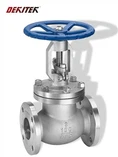

Can a forged floating soft seated ball valve be used for power generation applications?

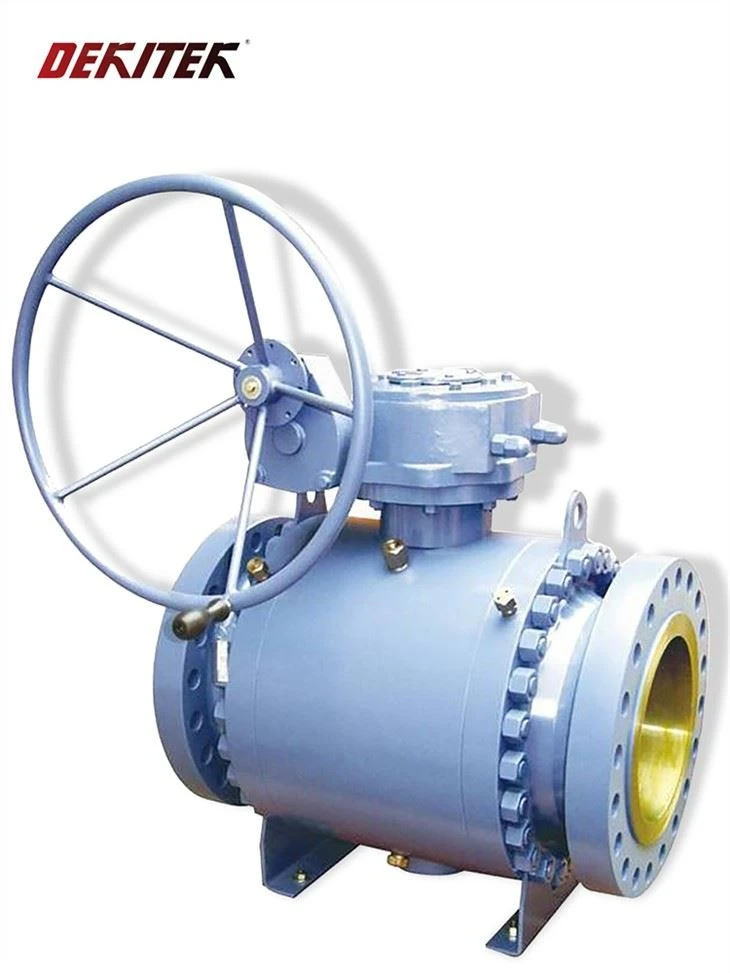
In the realm of power generation, the selection of appropriate valves is crucial for ensuring the efficiency, safety, and reliability of the entire system. As a supplier of forged floating soft seated ball valves, I am often asked whether these valves are suitable for power generation applications. In this blog post, I will delve into the characteristics of forged floating soft seated ball valves and explore their viability in power generation scenarios.
Understanding Forged Floating Soft Seated Ball Valves
Forged floating soft seated ball valves are a type of quarter - turn valve. The "forged" aspect refers to the manufacturing process where the valve body is formed by forging, which provides high strength and excellent resistance to pressure and stress. Forging helps to eliminate internal defects and improve the overall mechanical properties of the valve body.
The "floating" design means that the ball is not fixed axially but is supported by the valve seats. When the valve is closed, the pressure of the fluid pushes the ball against the downstream seat, creating a tight seal. This design is effective in low - to medium - pressure applications.
The "soft seat" is typically made of materials such as PTFE (Polytetrafluoroethylene), NBR (Nitrile Butadiene Rubber), or other elastomers. Soft seats offer excellent sealing performance, low friction, and can provide a bubble - tight seal even at low pressures.
Requirements in Power Generation Applications
Power generation systems, whether they are based on fossil fuels (coal, gas, oil), nuclear energy, or renewable sources (hydro, wind, solar), have specific requirements for valves.
- High - pressure and high - temperature resistance: In power plants, steam or hot fluids are often used to drive turbines. These fluids can be at extremely high pressures and temperatures. For example, in a typical steam power plant, the steam pressure can reach up to 250 bar and the temperature can exceed 500°C. Valves need to withstand these harsh conditions without significant degradation in performance.
- Reliability and safety: Power generation is a critical infrastructure. Any valve failure can lead to system shutdowns, which can have a significant impact on the power supply and may even pose safety risks. Valves must be able to operate reliably over long periods with minimal maintenance.
- Corrosion resistance: Power generation processes may involve corrosive substances. For instance, in a coal - fired power plant, flue gases contain sulfur compounds that can cause corrosion. Valves need to be resistant to corrosion to ensure their long - term service life.
- Precise flow control: In power generation, accurate control of fluid flow is essential for optimizing the efficiency of the power generation process. Valves should be able to provide precise regulation of the flow rate.
Suitability of Forged Floating Soft Seated Ball Valves in Power Generation
Advantages
- Excellent sealing performance: The soft seats of these valves can provide a tight seal, which is important for preventing leakage in power generation systems. Leakage can lead to energy losses and potential safety hazards.
- Low - torque operation: The floating design and the low - friction soft seats result in relatively low - torque operation. This means that less energy is required to open and close the valve, which can contribute to overall energy savings in the power generation system.
- Cost - effectiveness: Forged floating soft seated ball valves are generally more cost - effective compared to some other types of valves with similar functions. This can be an important factor in large - scale power generation projects where cost control is crucial.
Limitations
- Temperature and pressure limitations: Soft seat materials have temperature and pressure limitations. For example, PTFE has a maximum continuous service temperature of around 260°C. In high - temperature and high - pressure power generation applications, the soft seat may degrade or lose its sealing properties.
- Corrosion resistance: While some soft seat materials have good chemical resistance, they may not be suitable for highly corrosive environments in power generation. For example, in a seawater - cooled power plant, the soft seat may be attacked by the corrosive seawater.
- Abrasion resistance: In power generation systems where the fluid contains solid particles, such as in a coal - fired power plant where the flue gas may carry fly ash, the soft seat can be easily abraded, leading to reduced sealing performance.
Alternatives and Complementary Solutions
In cases where the limitations of forged floating soft seated ball valves are a concern, there are alternative valve types that can be considered.
- Cast Steel Metal Seated Floating Ball Valve: Metal - seated valves are more suitable for high - temperature and high - pressure applications. The metal seat can withstand higher temperatures and pressures compared to soft seats. They also have better abrasion and corrosion resistance in some cases.
- Top Entry Ball Valve: Top entry ball valves are designed for easy maintenance. In power generation systems where maintenance is a key consideration, top entry ball valves can be a good choice. They allow for in - line maintenance without the need to remove the valve from the pipeline.
- Trunnion Mounted Metal Seated Ball Valve: Trunnion mounted ball valves are suitable for high - pressure applications. The trunnion design provides additional support to the ball, making it more stable under high - pressure conditions.
However, forged floating soft seated ball valves can still play a role in power generation. They can be used in auxiliary systems where the pressure and temperature requirements are not as extreme, such as in cooling water systems, lubrication systems, or some low - pressure steam lines.
Conclusion
In conclusion, while forged floating soft seated ball valves have their limitations in high - temperature, high - pressure, and highly corrosive power generation applications, they can be a viable option in certain auxiliary systems within power plants. Their excellent sealing performance, low - torque operation, and cost - effectiveness make them attractive for specific applications.
When considering the use of forged floating soft seated ball valves in power generation, a comprehensive evaluation of the specific requirements of the power generation system is necessary. It is also important to consider alternative valve types and use them in a complementary manner to ensure the overall efficiency, safety, and reliability of the power generation system.
If you are involved in a power generation project and are considering valve solutions, I encourage you to contact us for a detailed discussion. Our team of experts can help you select the most appropriate valves based on your specific needs.
References
- Valve Handbook, 4th Edition, by Robert A. Nayyar
- Power Generation Technologies, by M. Hashem Nehrir and Hossein Ardehali