



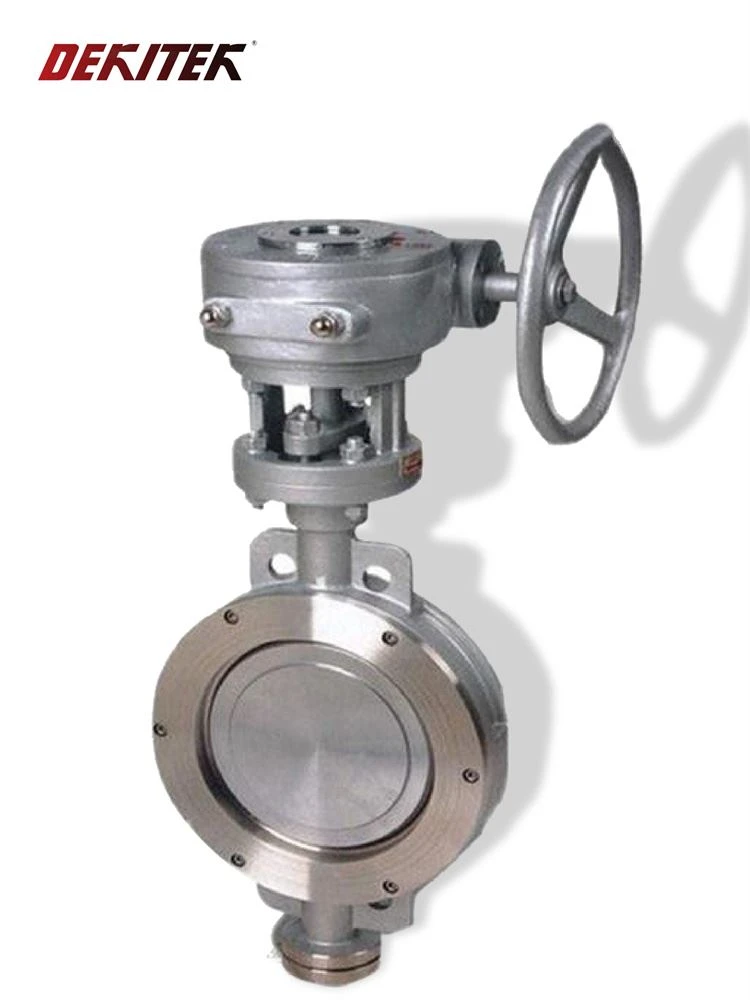
Installing a Triple Offset BW End Butterfly Valve correctly is crucial to ensure its optimal performance and longevity. As a supplier of Triple Offset BW End Butterfly Valves, I understand the significance of proper installation procedures. In this blog post, I will guide you through the step-by-step process of installing this type of valve, highlighting key considerations and best practices along the way.
Pre-Installation Preparation
Before you begin the installation process, it is essential to conduct a thorough inspection of the valve and all associated components. Check for any signs of damage, such as scratches, dents, or cracks, that may affect the valve's functionality. Ensure that all gaskets, bolts, and nuts are in good condition and of the correct size and specification.
It is also important to verify that the pipeline system is clean and free of debris, rust, or other contaminants. Any foreign particles left in the pipeline can cause damage to the valve seats and seals, leading to leaks and reduced performance. Use a suitable cleaning method, such as flushing or blowing out the pipeline, to remove any unwanted materials.
Valve Placement and Orientation
The proper placement and orientation of the Triple Offset BW End Butterfly Valve are critical for its effective operation. The valve should be installed in a horizontal or vertical position, depending on the application requirements. When installing the valve horizontally, ensure that the valve stem is in a vertical position to prevent any potential binding or interference.
It is also important to consider the flow direction of the pipeline when installing the valve. The valve should be installed with the flow arrow on the valve body pointing in the same direction as the flow of the fluid. This ensures that the valve operates correctly and provides the desired flow control.
Gasket Installation
Gaskets play a crucial role in ensuring a tight seal between the valve and the pipeline flanges. When installing the gaskets, ensure that they are clean and free of any dirt or debris. Apply a thin layer of gasket sealant to both sides of the gasket to enhance the sealing performance.
Place the gasket on the flange surface, ensuring that it is centered and aligned with the bolt holes. Make sure that the gasket does not protrude into the pipeline, as this can cause flow restrictions and turbulence. Once the gasket is in place, install the valve onto the flange, aligning the bolt holes and inserting the bolts.
Bolt Tightening
Proper bolt tightening is essential to ensure a secure and leak-free connection between the valve and the pipeline flanges. Use a torque wrench to tighten the bolts to the recommended torque values specified by the valve manufacturer. Tighten the bolts in a diagonal pattern to ensure even distribution of the clamping force.
Over-tightening the bolts can cause damage to the valve and the flanges, while under-tightening can result in leaks. It is important to follow the manufacturer's guidelines and specifications when tightening the bolts to ensure the optimal performance of the valve.
Pipeline Connection
Once the valve is installed on the flange, connect the pipeline to the valve using the appropriate bolts and nuts. Ensure that the pipeline is properly aligned with the valve and that the bolt holes are aligned. Tighten the bolts to the recommended torque values, following the same diagonal pattern as before.
After the pipeline is connected, check for any signs of leaks around the valve and the pipeline flanges. If any leaks are detected, tighten the bolts further or replace the gaskets as necessary.
Testing and Commissioning
After the installation is complete, it is important to conduct a thorough testing and commissioning of the Triple Offset BW End Butterfly Valve. This includes checking the valve's operation, flow control, and sealing performance.
Open and close the valve several times to ensure that it operates smoothly and without any binding or interference. Check the flow control of the valve by adjusting the valve position and measuring the flow rate. Ensure that the valve provides the desired flow control and that there are no significant pressure drops or fluctuations.
Finally, conduct a pressure test to check for any leaks around the valve and the pipeline flanges. Apply the recommended test pressure to the valve and the pipeline system and hold it for a specified period of time. Check for any signs of leaks, such as bubbles or dripping, and make any necessary repairs or adjustments.

Conclusion
Installing a Triple Offset BW End Butterfly Valve correctly is essential for its optimal performance and longevity. By following the steps outlined in this blog post, you can ensure that the valve is installed safely and effectively, providing reliable flow control and sealing performance.
If you have any questions or need further assistance with the installation of the Triple Offset BW End Butterfly Valve, please do not hesitate to contact us. As a leading supplier of Triple Offset BW End Butterfly Valve, we have the expertise and experience to provide you with the best solutions for your valve installation needs.
We also offer a wide range of other butterfly valves, including Triple Offset Flange End Type Butterfly Valve and Wafer Type Metal Sealing Butterfly Valve. If you are interested in purchasing any of these valves, please contact us to discuss your requirements and receive a quote.
References
- Valve Manufacturer's Installation Manual
- Pipeline Design and Installation Standards