


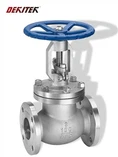

As a supplier of Alloy Steel Pressure Seal Gate Valves, I've encountered numerous clients facing issues with slow opening or closing of these valves. In this blog, I'll share some practical troubleshooting steps to help you address this problem effectively.
Understanding the Basics of Alloy Steel Pressure Seal Gate Valves
Alloy Steel Pressure Seal Gate Valves are widely used in high - pressure and high - temperature applications, such as in power plants, refineries, and chemical processing industries. Their design features a pressure - seal bonnet that provides a reliable seal under high pressure conditions. The gate, which moves up and down to control the flow, is made of alloy steel, offering excellent strength and corrosion resistance.
However, over time, these valves may experience problems with slow operation. This can be due to a variety of factors, including mechanical wear, improper lubrication, or issues with the valve actuator.
Common Causes and Troubleshooting Steps
1. Mechanical Wear
Mechanical wear is one of the most common causes of slow valve operation. The constant movement of the gate and other internal components can lead to friction and wear, especially in high - stress environments.
Inspection:
- First, visually inspect the valve for any signs of physical damage, such as scratches, dents, or corrosion on the gate, stem, or seat. If there are visible signs of wear, it may be necessary to replace the damaged components.
- Check the alignment of the valve. Misalignment can cause the gate to bind as it moves, resulting in slow operation. Use alignment tools to ensure that the valve is properly installed and aligned with the pipeline.
Solution:
- If the wear is minor, you can try to refurbish the affected components. For example, you can use a fine - grit sandpaper to smooth out minor scratches on the gate or seat. However, if the wear is severe, replacement of the worn parts is recommended. You can find high - quality replacement parts for Alloy Steel Pressure Seal Gate Valve on our website.
2. Lubrication Issues
Proper lubrication is essential for the smooth operation of a gate valve. Insufficient or improper lubrication can increase friction between the moving parts, leading to slow opening or closing.


Inspection:
- Check the lubrication points on the valve, such as the stem threads and the gate guides. If the lubricant is dry, dirty, or contaminated, it may need to be replaced.
- Determine the type of lubricant recommended for your valve. Different valves may require different types of lubricants, depending on the operating conditions and the materials used in the valve construction.
Solution:
- Clean the lubrication points thoroughly to remove any dirt or old lubricant. Use a suitable cleaning agent and a soft brush to ensure a clean surface.
- Apply the appropriate lubricant to the lubrication points. Make sure to follow the manufacturer's recommendations regarding the type and quantity of lubricant to use. Regular lubrication maintenance can significantly improve the valve's operation speed.
3. Actuator Problems
The actuator is responsible for providing the force to open and close the valve. If the actuator is malfunctioning, it can cause slow valve operation.
Inspection:
- Check the power supply to the actuator. If it is an electric actuator, ensure that it is receiving the correct voltage and that the electrical connections are secure. For pneumatic or hydraulic actuators, check the pressure of the power source and the integrity of the supply lines.
- Inspect the actuator's control system. Look for any error codes or malfunctions in the control panel. If there are any issues, refer to the actuator's user manual for troubleshooting guidance.
Solution:
- If the power supply is the problem, correct it by adjusting the voltage or repairing the electrical connections. For pneumatic or hydraulic actuators, fix any leaks in the supply lines and adjust the pressure as needed.
- If the actuator itself is damaged, it may need to be repaired or replaced. We offer a range of Electric Actuator Gate Valve options that are reliable and easy to maintain.
4. Foreign Object Blockage
Foreign objects can enter the valve and block the movement of the gate, causing slow operation.
Inspection:
- Isolate the valve from the pipeline and remove the valve cover or bonnet. Carefully inspect the internal cavity of the valve for any foreign objects, such as debris, scale, or small tools that may have been left inside during installation or maintenance.
- Check the valve seat and the gate for any blockages. A blockage in these areas can prevent the gate from fully opening or closing.
Solution:
- Use appropriate tools, such as a brush or a vacuum cleaner, to remove any foreign objects from the valve. Make sure to clean all areas thoroughly to prevent future blockages.
- After cleaning, reassemble the valve and test its operation to ensure that the problem has been resolved.
5. Fluid Properties
The properties of the fluid flowing through the valve can also affect its operation. For example, high - viscosity fluids or fluids with suspended solids can cause increased resistance to the movement of the gate.
Inspection:
- Analyze the properties of the fluid, including its viscosity, temperature, and the presence of suspended solids. If the fluid viscosity is too high, it may be causing the valve to operate slowly.
- Check for any signs of fluid buildup or deposits inside the valve. These deposits can accumulate over time and impede the movement of the gate.
Solution:
- If the fluid viscosity is the issue, consider adjusting the operating conditions, such as increasing the fluid temperature to reduce its viscosity. Alternatively, you may need to install a different type of valve that is better suited for high - viscosity fluids.
- To remove fluid deposits, you can use chemical cleaning agents or mechanical cleaning methods, depending on the nature of the deposits.
Preventive Maintenance
To avoid future problems with slow valve operation, it is important to implement a regular preventive maintenance program.
- Regular Inspections: Conduct routine visual inspections of the valve to detect any signs of wear, damage, or blockage early. This can help you address potential issues before they become major problems.
- Lubrication Schedule: Establish a regular lubrication schedule based on the manufacturer's recommendations. This will ensure that the valve's moving parts are properly lubricated at all times.
- Training: Provide training to your maintenance personnel on the proper operation and maintenance of the Alloy Steel Pressure Seal Gate Valves. Well - trained personnel are more likely to identify and resolve issues quickly.
Conclusion
Troubleshooting the slow opening or closing of an Alloy Steel Pressure Seal Gate Valve requires a systematic approach. By carefully inspecting the valve, identifying the root cause of the problem, and implementing the appropriate solutions, you can restore the valve's normal operation.
If you are still facing difficulties in troubleshooting your valve or if you need to purchase a new Alloy Steel Pressure Seal Gate Valve, Duplex Stainless Steel Pressure Seal Gate Valve, or related components, please feel free to contact us. Our team of experts is ready to assist you with your valve needs and provide you with high - quality products and professional advice. We look forward to the opportunity to engage in procurement discussions with you.
References
- Valve Handbook, CRC Press
- ASME Standards for Pressure - Seal Valves
- Manufacturer's Manuals for Alloy Steel Pressure Seal Gate Valves