



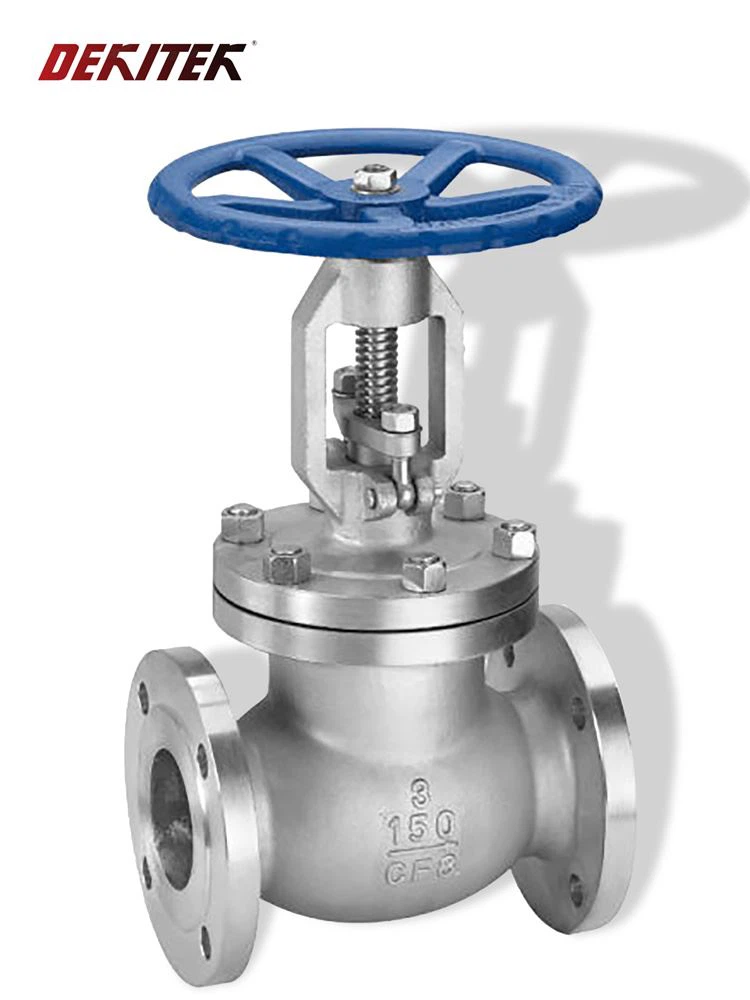
Hey there! As a globe valve supplier, I often get asked about the best type of lubricant to use for these valves. It's a crucial question because the right lubricant can significantly enhance the performance and lifespan of a globe valve. So, let's dive into this topic and explore the different types of lubricants suitable for globe valves.
First off, we need to understand why lubrication is so important for globe valves. Globe valves are designed to control the flow of fluids by moving a disc or plug against a seat. This movement creates friction, and over time, this friction can cause wear and tear on the valve components. Lubrication helps reduce this friction, allowing the valve to operate smoothly and efficiently. It also protects the valve from corrosion and other forms of damage, ensuring that it functions properly for a long time.

Now, let's talk about the different types of lubricants available for globe valves. There are several factors to consider when choosing a lubricant, such as the operating conditions of the valve, the type of fluid being controlled, and the material of the valve components.
Grease Lubricants
Grease is one of the most commonly used lubricants for globe valves. It's a semi - solid lubricant that consists of a base oil and a thickening agent. Grease has several advantages. Firstly, it has good adhesion properties, which means it can stay in place on the valve components and provide long - term lubrication. This is especially useful in valves that are not frequently operated.
Secondly, grease can act as a sealant, preventing the ingress of contaminants such as dust and moisture. This is important for valves that are installed in harsh environments. However, grease also has some limitations. It can become stiff at low temperatures, which may affect the valve's operation. Also, if the valve is exposed to high - temperature conditions, the grease may melt and drip, leading to a loss of lubrication.
When using grease lubricants for globe valves, it's important to choose the right type. For example, if the valve is operating in a high - temperature environment, a high - temperature grease should be used. You can find more information about our Duplex Steel Globe Valve, which may require specific high - quality greases depending on the application.
Oil Lubricants
Oil lubricants are another option for globe valves. They are more fluid than grease, which allows them to penetrate into small spaces and provide excellent lubrication. Oil lubricants can flow easily, ensuring that all moving parts of the valve are well - lubricated.
One of the main advantages of oil lubricants is their ability to dissipate heat. In valves that are subjected to high - speed operation or high - pressure conditions, heat can be generated. Oil can carry this heat away from the valve components, preventing overheating and reducing wear.
However, oil lubricants also have some drawbacks. They tend to leak more easily than grease, which may require more frequent re - lubrication. Also, they may not provide as good a seal against contaminants as grease. For valves that need a continuous supply of lubrication and are in relatively clean environments, oil lubricants can be a great choice. Our Alloy Steel Globe Valve might benefit from well - chosen oil lubricants in certain applications.
Synthetic Lubricants
Synthetic lubricants are becoming increasingly popular for globe valves. These lubricants are chemically engineered to have specific properties. They offer several benefits over traditional grease and oil lubricants.
Synthetic lubricants have a wide operating temperature range. They can remain fluid at very low temperatures and do not break down easily at high temperatures. This makes them suitable for valves that operate in extreme temperature conditions.
They also have excellent oxidation resistance, which means they can last longer without degrading. This reduces the need for frequent lubricant changes. Additionally, synthetic lubricants can provide better protection against wear and corrosion. If you are looking for a high - performance lubricant for your globe valve, especially for a Duplex Steel Globe Valve used in demanding applications, synthetic lubricants are worth considering.
Factors to Consider When Choosing a Lubricant
- Operating Temperature: As mentioned earlier, the temperature at which the valve operates is a crucial factor. High - temperature applications require lubricants that can withstand heat without breaking down, while low - temperature applications need lubricants that remain fluid.
- Fluid Type: The type of fluid being controlled by the valve also matters. If the fluid is corrosive, the lubricant should be resistant to the corrosive effects of the fluid. For example, in a valve used to control a chemical fluid, a lubricant with good chemical resistance is essential.
- Valve Material: Different valve materials may react differently with lubricants. For instance, some lubricants may cause swelling or degradation of certain elastomeric materials used in valve seals. So, it's important to choose a lubricant that is compatible with the valve material.
How to Apply Lubricant to a Globe Valve
Applying lubricant to a globe valve is a relatively straightforward process, but it needs to be done correctly. First, make sure the valve is clean before applying the lubricant. Any dirt or debris on the valve components can mix with the lubricant and cause damage.
For grease lubricants, they can be applied using a grease gun. The grease should be applied to the moving parts of the valve, such as the stem and the packing. When applying oil lubricants, they can be poured or sprayed onto the relevant parts. Synthetic lubricants usually come with specific application instructions, which should be followed carefully.
In conclusion, choosing the right lubricant for a globe valve is essential for its proper operation and longevity. Whether you opt for grease, oil, or synthetic lubricants, make sure to consider the operating conditions, fluid type, and valve material. As a globe valve supplier, we can offer you not only high - quality valves but also advice on the best lubrication solutions for your specific needs.
If you're in the market for a globe valve or need more information about lubrication, don't hesitate to get in touch with us. We're here to help you make the right choice and ensure that your valve operates at its best.
References
- "Valve Handbook" by David W. Miller. This book provides comprehensive information about different types of valves and their maintenance, including lubrication.
- "Lubrication Engineering Handbook" by Peter Ludema. It offers in - depth knowledge about various lubricants and their applications.