



What is the Wear Resistance of a Globe Valve in a Slurry Application?
As a dedicated globe valve supplier, I've witnessed firsthand the critical role that wear resistance plays in slurry applications. Slurry, a mixture of solid particles suspended in a liquid, can be extremely abrasive and corrosive. This makes the selection of a globe valve with high wear resistance not just a preference but a necessity for ensuring long - term performance and cost - effectiveness in industrial operations.

Understanding Slurry and Its Impact on Globe Valves
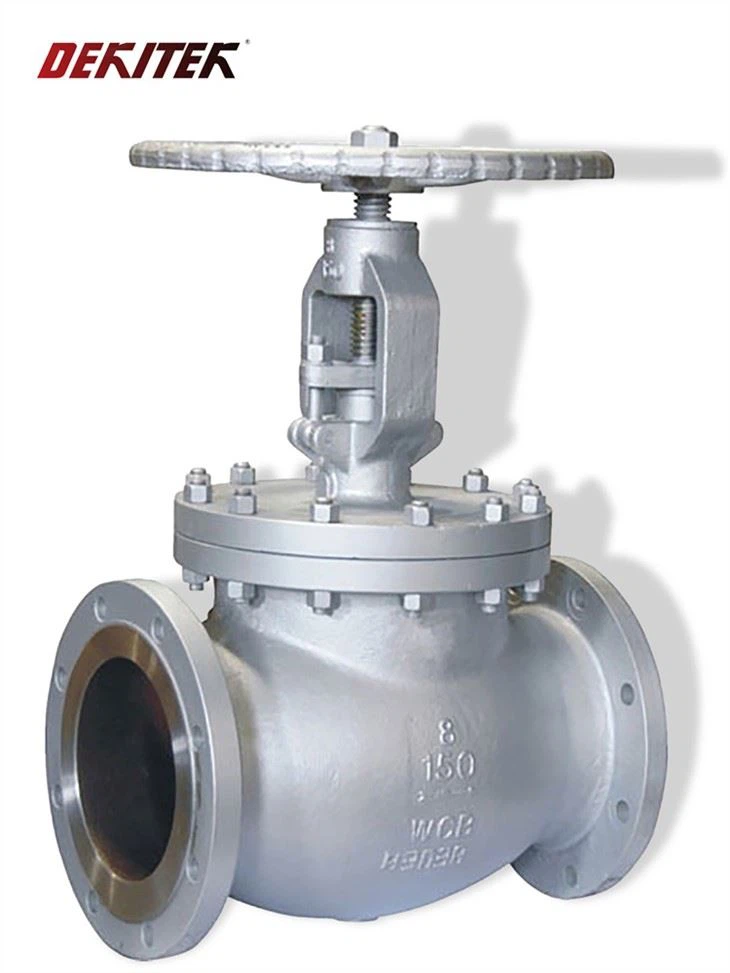
Slurry applications are common in various industries such as mining, power generation, and chemical processing. In mining, for example, slurry may contain particles of ore, sand, and other abrasive materials. These particles can cause significant damage to the internal components of a globe valve, including the disc, seat, and stem.
When a globe valve is used in a slurry application, the flow of the slurry creates a high - velocity impact on the valve's internal surfaces. This impact can lead to erosion, which is the gradual removal of material from the valve components. Corrosion can also occur, especially if the slurry contains chemicals or is at a high temperature. The combination of erosion and corrosion can significantly reduce the lifespan of the valve, leading to frequent replacements and increased maintenance costs.
Factors Affecting the Wear Resistance of Globe Valves in Slurry Applications
Material Selection
The choice of materials for a globe valve is crucial in determining its wear resistance. Different materials have different properties that make them more or less suitable for slurry applications.
- Alloy Steel Globe Valve: Alloy steel is a popular choice for slurry applications due to its high strength and wear resistance. Alloy steels can be formulated with various elements such as chromium, nickel, and molybdenum to enhance their performance in harsh environments. Alloy Steel Globe Valve can withstand high - pressure and high - temperature slurry flows, making them ideal for demanding industrial applications.
- Cast Steel Globe Valve: Cast steel globe valves are also commonly used in slurry applications. Cast steel offers good mechanical properties and can be cast into complex shapes, allowing for the production of valves with optimized flow paths. Cast Steel Globe Valve are cost - effective and can provide reliable performance in many slurry applications.
- Stainless Steel Globe Valve: Stainless steel is known for its corrosion resistance, which is an important factor in slurry applications where the slurry may contain corrosive chemicals. Stainless Steel Globe Valve are also resistant to erosion, especially when the slurry has a low particle concentration. They are suitable for applications where hygiene and corrosion resistance are critical, such as in the food and beverage industry.
Design Considerations
The design of a globe valve can also have a significant impact on its wear resistance. A well - designed valve should minimize the impact of the slurry on the internal components and provide a smooth flow path.
- Flow Path Design: A streamlined flow path can reduce the turbulence and velocity of the slurry, thereby minimizing erosion. Valves with a straight - through flow path are generally more wear - resistant than those with a more complex flow path.
- Sealing Design: The sealing mechanism of a globe valve is crucial in preventing leakage and protecting the internal components from the slurry. A good sealing design should ensure a tight seal even under high - pressure and high - temperature conditions.
Operating Conditions
The operating conditions of the slurry application, such as the flow rate, pressure, temperature, and particle size of the slurry, can also affect the wear resistance of the globe valve.
- Flow Rate and Pressure: High flow rates and pressures can increase the velocity of the slurry, leading to more severe erosion. Valves should be selected based on the expected flow rate and pressure of the application to ensure that they can handle the conditions without excessive wear.
- Temperature: High temperatures can accelerate corrosion and reduce the strength of the valve materials. In high - temperature slurry applications, special materials and coatings may be required to ensure the valve's wear resistance.
- Particle Size and Concentration: Larger particles and higher particle concentrations in the slurry can cause more severe erosion. Valves used in applications with large - particle or high - concentration slurries may need to be designed with thicker walls and more wear - resistant materials.
Measuring and Improving the Wear Resistance of Globe Valves
Wear Testing
To ensure the wear resistance of globe valves in slurry applications, wear testing is often conducted. Wear testing can involve exposing the valve components to a simulated slurry environment and measuring the amount of material loss over time. This allows manufacturers to evaluate the performance of different materials and designs and make improvements as needed.
Coatings and Linings
Applying coatings and linings to the internal surfaces of the valve can significantly improve its wear resistance. Coatings such as ceramic, carbide, and rubber can provide a protective layer that reduces erosion and corrosion. Linings can also be used to isolate the valve components from the slurry, further enhancing their durability.
Maintenance and Inspection
Regular maintenance and inspection are essential for ensuring the long - term wear resistance of globe valves in slurry applications. Maintenance can include cleaning the valve, replacing worn components, and checking the sealing performance. Inspection can help detect early signs of wear and damage, allowing for timely repairs and replacements.
Conclusion
In conclusion, the wear resistance of a globe valve in a slurry application is a complex issue that depends on several factors, including material selection, design, and operating conditions. As a globe valve supplier, we understand the importance of providing high - quality valves that can withstand the harsh conditions of slurry applications. By choosing the right materials, design, and maintenance strategies, we can help our customers reduce their maintenance costs and improve the reliability of their industrial processes.
If you are looking for a globe valve for your slurry application, we are here to help. Our team of experts can assist you in selecting the most suitable valve based on your specific requirements. Contact us today to start a procurement discussion and find the perfect solution for your needs.
References
- ASM Handbook Committee. (2004). ASM Handbook, Volume 13C: Corrosion: Materials. ASM International.
- Schaschl, H., & Tschegg, E. K. (2009). Wear mechanisms and surface protection of materials in slurry erosion. Wear, 266(7 - 8), 710 - 717.
- Trumpler, D. K. (1995). Handbook of Valves. McGraw - Hill.