



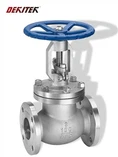

Hey there! As a supplier of Electric Actuator Gate Valves, I'm super stoked to dive into the topic of valve stem design for these bad boys. It's a crucial part of the whole setup, and understanding it can make a huge difference in how well your valve performs.
First off, let's talk about what a valve stem is. In simple terms, it's the part that connects the actuator (the thing that makes the valve open and close) to the gate (the part that blocks or allows the flow of fluid). Think of it as the bridge between the control mechanism and the actual valve operation.
Now, the design of the valve stem can vary depending on a few factors. One of the most important ones is the type of actuator being used. There are different kinds of electric actuators, like rotary and linear, and each one requires a specific type of valve stem design to work properly.
For rotary actuators, the valve stem is usually designed to rotate along with the actuator. This rotation is what moves the gate to open or close the valve. The stem needs to be strong enough to handle the torque generated by the actuator without bending or breaking. It also needs to have a smooth surface to reduce friction and ensure smooth operation.
On the other hand, linear actuators require a valve stem that moves in a straight line. This linear motion is what opens and closes the gate. The stem in this case needs to be able to withstand the axial force applied by the actuator without buckling. It also needs to have a precise fit with the gate to ensure proper alignment and sealing.
Another factor that affects valve stem design is the type of fluid the valve will be handling. Different fluids have different properties, such as viscosity, temperature, and corrosiveness. For example, if the valve is going to be used in a high-temperature environment, the valve stem needs to be made of a material that can withstand the heat without losing its strength or shape. Similarly, if the fluid is corrosive, the stem needs to be coated or made of a corrosion-resistant material to prevent damage.
The size and pressure rating of the valve also play a role in valve stem design. Larger valves and those with higher pressure ratings require stronger and more robust valve stems. The diameter of the stem needs to be carefully calculated to ensure it can handle the forces involved without failing.
Now, let's take a look at some of the common materials used for valve stems. Stainless steel is a popular choice because it's strong, corrosion-resistant, and has good mechanical properties. It can withstand a wide range of temperatures and is suitable for many different applications. Another option is carbon steel, which is less expensive but still provides good strength. However, carbon steel may need to be coated or treated to prevent corrosion.
In addition to the material, the surface finish of the valve stem is also important. A smooth surface finish reduces friction and wear, which can extend the life of the valve. It also helps to ensure a better seal between the stem and the packing, which prevents leakage.
As a supplier, we offer a variety of Electric Actuator Gate Valves with different valve stem designs to meet the needs of our customers. For example, we have Cast Steel Pressure Seal Gate Valve, which are designed for high-pressure applications. These valves have a strong and durable valve stem that can handle the extreme forces involved.
We also have Duplex Stainless Steel Gate Valve, which are ideal for corrosive environments. The duplex stainless steel valve stem provides excellent corrosion resistance and long-term reliability.
And if you're looking for a valve for high-temperature applications, our Stainless Steel Pressure Seal Gate Valve are a great choice. The stainless steel valve stem can withstand the heat and maintain its performance over time.
In conclusion, the valve stem design of an Electric Actuator Gate Valve is a critical aspect that can greatly impact the valve's performance and reliability. By considering factors such as the type of actuator, the fluid being handled, the size and pressure rating of the valve, and the material and surface finish of the stem, you can choose the right valve for your specific application.


If you're in the market for an Electric Actuator Gate Valve, we'd love to hear from you. Our team of experts can help you select the best valve for your needs and provide you with all the information you need to make an informed decision. Don't hesitate to reach out to us for more details and to start the procurement process.
References:
- Valve Handbook by J. S. Valvular
- Industrial Valve Technology by T. Flowmaster