



As a supplier of Triple Offset BW End Butterfly Valves, I understand that users may encounter various common problems during the use of these valves. In this blog post, I will share some practical troubleshooting methods to help you quickly solve these problems and ensure the normal operation of the valves.
1. Leakage Issues
Leakage is one of the most common problems with Triple Offset BW End Butterfly Valves. There are several possible reasons for leakage, and here are the corresponding troubleshooting steps:
Seat Leakage
- Cause Analysis: Seat leakage may be due to damage to the valve seat, such as scratches, abrasions, or corrosion. It can also be caused by improper installation, which leads to uneven contact between the valve disc and the seat.
- Troubleshooting Method: First, visually inspect the valve seat for any visible damage. If there are minor scratches, you can try to polish the seat surface gently with fine - grit sandpaper. However, if the damage is severe, the valve seat needs to be replaced. When installing the valve, make sure that the valve is properly aligned and tightened according to the installation instructions. Check the gasket between the valve and the pipeline. A damaged or incorrectly installed gasket can also cause seat leakage. Replace the gasket if necessary.
Stem Leakage
- Cause Analysis: Stem leakage usually occurs at the packing area. The packing may be worn out, loose, or damaged due to long - term use or improper adjustment.
- Troubleshooting Method: Check the packing gland. If it is loose, tighten it slightly using a wrench. However, be careful not to over - tighten, as this may cause excessive friction on the stem and damage the packing. If the packing is severely worn or damaged, it should be replaced. When replacing the packing, make sure to use the correct type and size of packing material recommended by the valve manufacturer.
2. Difficulties in Operation
Sometimes, users may find it difficult to open or close the Triple Offset BW End Butterfly Valve. Here are the possible causes and solutions:
High Operating Torque
- Cause Analysis: High operating torque can be caused by several factors. One common reason is the accumulation of dirt, debris, or scale inside the valve. Another reason could be the misalignment of the valve disc and seat, which increases the friction during operation.
- Troubleshooting Method: First, try to clean the valve. You can use a suitable cleaning agent to remove dirt and debris from the valve body, disc, and seat. If the valve is installed in a pipeline with a high - scale environment, regular descaling may be required. Check the alignment of the valve disc and seat. If misalignment is detected, adjust the valve installation to ensure proper alignment. In some cases, the lubrication of the valve stem and other moving parts may be insufficient. Apply the appropriate lubricant to the stem and other relevant parts according to the manufacturer's recommendations.
Jammed Valve
- Cause Analysis: A jammed valve can be caused by foreign objects getting stuck between the valve disc and the seat, or by mechanical damage to the valve components.
- Troubleshooting Method: If a foreign object is suspected, try to remove the valve from the pipeline and inspect it carefully. Use tools such as pliers or a small brush to remove the foreign object. If the valve is jammed due to mechanical damage, such as a broken or bent valve stem, the damaged parts need to be replaced. It is important to use genuine replacement parts to ensure the proper functioning of the valve.
3. Noise and Vibration
Excessive noise and vibration during the operation of the Triple Offset BW End Butterfly Valve can be a sign of problems. Here are the possible causes and solutions:
Cavitation
- Cause Analysis: Cavitation occurs when the pressure of the fluid flowing through the valve drops below the vapor pressure of the fluid, causing the formation and collapse of vapor bubbles. This can lead to noise, vibration, and damage to the valve components.
- Troubleshooting Method: To reduce cavitation, you can adjust the flow rate and pressure of the fluid in the pipeline. Install a pressure - reducing valve upstream of the butterfly valve if necessary. You can also choose a valve with a more suitable flow - characteristic for the specific application. Some valves are designed to reduce cavitation by having special internal structures.
Improper Installation
- Cause Analysis: If the valve is not installed correctly, such as being misaligned with the pipeline or having loose connections, it can cause noise and vibration.
- Troubleshooting Method: Check the installation of the valve. Make sure that the valve is properly aligned with the pipeline and that all connections are tight. Tighten any loose bolts or nuts. If the valve is installed on a flexible pipeline, consider using additional support or bracing to reduce vibration.
4. Comparison with Other Types of Butterfly Valves
It is also helpful to understand how the Triple Offset BW End Butterfly Valve compares with other types of butterfly valves, such as the Double Offset Flange End Type Butterfly Valve and the Flange End Metal Sealing Butterfly Valve and Triple Offset Wafer Type Butterfly Valve.

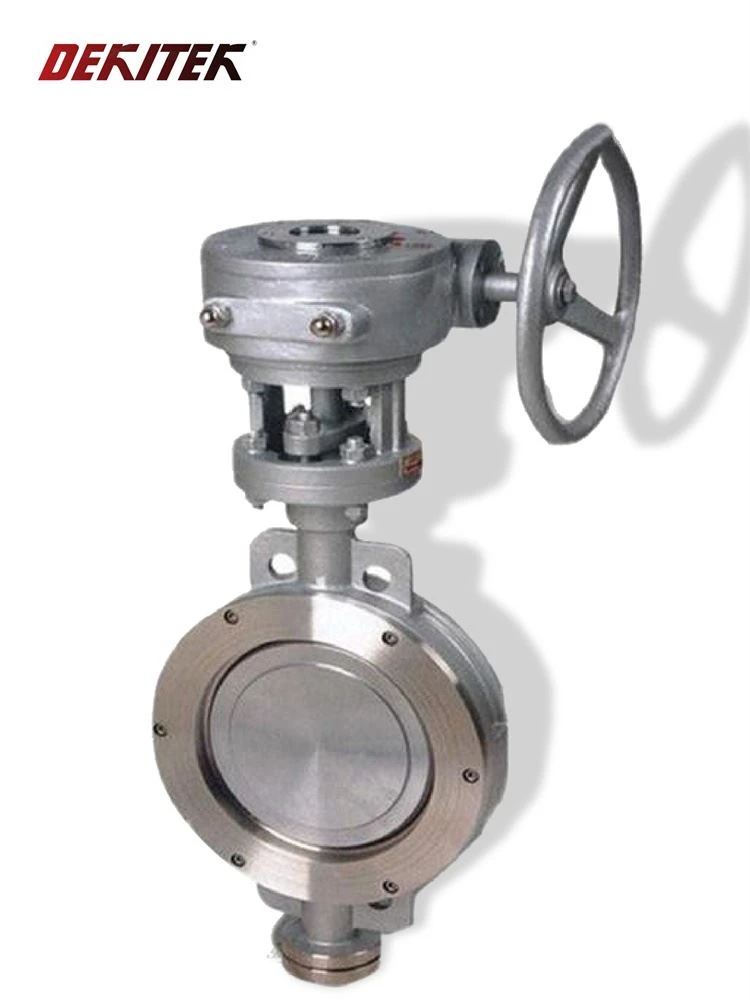
The Double Offset Flange End Type Butterfly Valve has two offsets, which provides better sealing performance compared to single - offset valves. However, the Triple Offset BW End Butterfly Valve has an additional offset, which further improves the sealing performance and reduces friction during operation. The Flange End Metal Sealing Butterfly Valve is known for its metal - to - metal sealing, which is suitable for high - temperature and high - pressure applications. The Triple Offset BW End Butterfly Valve also offers excellent sealing in such harsh conditions, but with a more compact design in some cases. The Triple Offset Wafer Type Butterfly Valve is a more lightweight and space - saving option, while the BW End type is more suitable for applications where a butt - weld connection is required for better pipeline integrity.
Conclusion
By following the above troubleshooting methods, you can effectively solve the common problems of Triple Offset BW End Butterfly Valves. However, if you encounter problems that you cannot solve on your own, it is recommended to contact a professional technician or the valve manufacturer for further assistance.
As a reliable supplier of Triple Offset BW End Butterfly Valves, we are committed to providing high - quality products and excellent after - sales service. If you are interested in purchasing our valves or have any questions about valve selection, installation, or maintenance, please feel free to contact us for procurement negotiation. We look forward to working with you to meet your valve - related needs.
References
- Valve Handbook, 4th Edition, by J. Paul Tullis
- Butterfly Valve Technology and Applications, by Industry Publications