



Hey there! As a supplier of Alloy Steel Globe Valves, I often get asked about the surface treatment of these valves. It's a crucial aspect that can greatly impact the valve's performance, durability, and appearance. So, let's dive right in and explore what surface treatment is all about for an Alloy Steel Globe Valve.
Why Surface Treatment Matters
First off, why do we even bother with surface treatment? Well, alloy steel, while strong and reliable, is still susceptible to corrosion, wear, and other forms of damage. Surface treatment acts as a protective shield, extending the valve's lifespan and ensuring it functions smoothly in various environments.
For instance, in industries where the valve is exposed to harsh chemicals, high temperatures, or abrasive materials, a proper surface treatment can prevent the steel from rusting, pitting, or eroding. This not only saves money on frequent replacements but also reduces the risk of system failures and downtime.
Common Surface Treatment Methods
1. Painting
Painting is one of the most straightforward and cost - effective surface treatment methods. We can apply a layer of paint on the valve's surface to protect it from corrosion. There are different types of paints available, such as epoxy paint, which is known for its excellent chemical resistance. It can withstand exposure to various acids, alkalis, and solvents.
Another advantage of painting is that it can give the valve a nice, uniform appearance. We can choose different colors according to the customer's requirements or industry standards. However, the paint layer may wear off over time, especially in high - friction or abrasive environments. So, it may need periodic touch - ups.
2. Galvanizing
Galvanizing involves coating the alloy steel with a layer of zinc. This is done through a process called hot - dip galvanizing, where the valve is dipped into a bath of molten zinc. The zinc layer acts as a sacrificial anode, corroding in place of the steel. This means that even if the surface is scratched, the zinc will continue to protect the underlying steel from rusting.
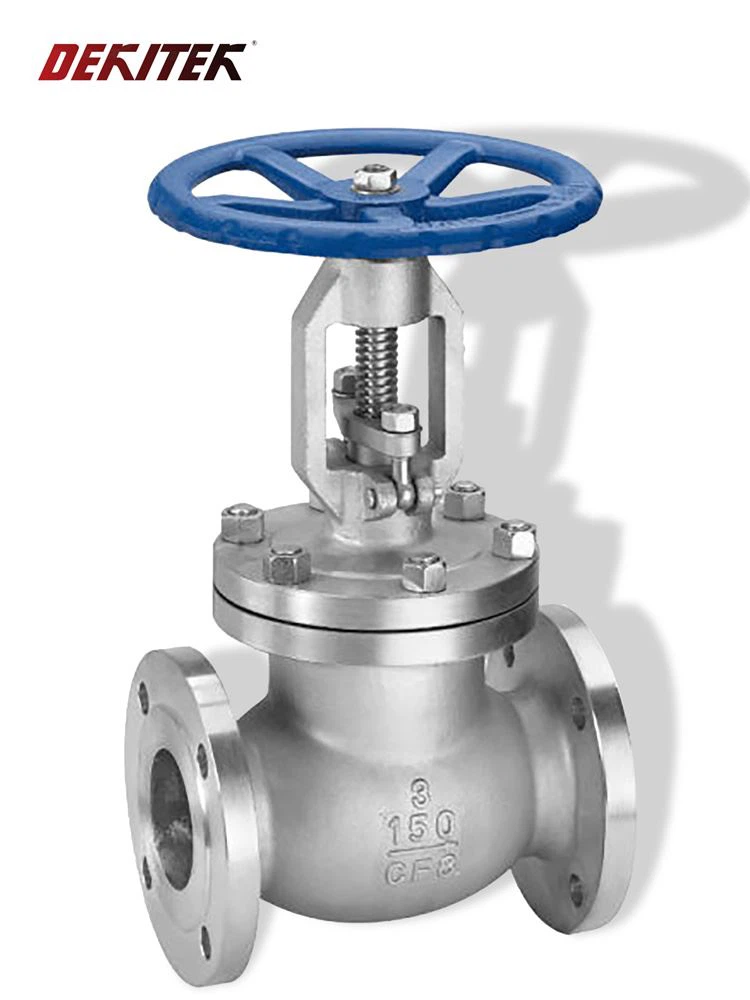
Galvanized valves are commonly used in outdoor applications or in environments with high humidity. They have a long service life and can resist corrosion for many years. However, the galvanizing process can be a bit expensive, and the zinc layer may not be suitable for some high - temperature applications.
3. Electroplating
Electroplating is a process where a thin layer of metal, such as chrome or nickel, is deposited on the valve's surface using an electric current. Chrome plating, for example, provides a hard, smooth surface that is highly resistant to wear, corrosion, and scratching. It also gives the valve a shiny, aesthetically pleasing appearance.
Nickel plating is another option, which offers good corrosion resistance and can improve the valve's solderability. Electroplating is often used for valves in applications where a high - quality finish is required, such as in the food and beverage industry or in some precision engineering applications. But it can be a complex and costly process, and the thickness of the plating needs to be carefully controlled.
4. Powder Coating
Powder coating is a dry finishing process where a powder paint is applied to the valve's surface electrostatically and then cured under heat. This creates a hard, durable coating that is resistant to chipping, scratching, and fading. Powder coating can provide a wide range of colors and finishes, from smooth to textured.
It is an environmentally friendly option as it produces less waste and emissions compared to traditional painting methods. Powder - coated valves are commonly used in various industries, including automotive, furniture, and of course, valve manufacturing.
Specialized Surface Treatments for Specific Applications
In addition to the common surface treatment methods, there are also some specialized treatments for specific applications. For example, in the oil and gas industry, valves may be treated with a special anti - corrosion coating to withstand the harsh conditions of offshore drilling or pipeline transportation.
In the chemical industry, valves may need a surface treatment that can resist the corrosion of strong acids or alkalis. Some high - performance coatings are designed to provide excellent chemical resistance and can be tailored to the specific chemicals the valve will be exposed to.
Comparing with Other Types of Globe Valves
When it comes to surface treatment, it's also interesting to compare alloy steel globe valves with other types, like Duplex Steel Globe Valve and Stainless Steel Globe Valve.
Duplex steel globe valves have a unique microstructure that gives them high strength and good corrosion resistance. However, they may still benefit from surface treatment to enhance their performance in extreme environments. The surface treatment for duplex steel valves is often similar to that of alloy steel valves, but the choice of treatment may be more critical due to the higher cost of duplex steel.
Stainless steel globe valves are known for their inherent corrosion resistance. But depending on the grade of stainless steel and the application, surface treatment can still be beneficial. For example, in a highly corrosive environment, a stainless steel valve may need an additional protective coating. You can find more information about Stainless Steel Globe Valve on our website.
How We Ensure Quality Surface Treatment
As a supplier, we take quality very seriously when it comes to surface treatment. We have a team of experienced technicians who are well - versed in different surface treatment processes. Before applying any treatment, we thoroughly clean the valve's surface to ensure good adhesion of the coating.
We also use high - quality materials and follow strict quality control procedures. For example, when painting, we measure the thickness of the paint layer to ensure it meets the required standards. In the case of galvanizing, we check the composition and thickness of the zinc layer to ensure its effectiveness.
Conclusion
So, there you have it! Surface treatment is a vital part of manufacturing alloy steel globe valves. It not only protects the valve from corrosion and wear but also enhances its performance and appearance. Whether it's painting, galvanizing, electroplating, or powder coating, each method has its own advantages and is suitable for different applications.
If you're in the market for high - quality alloy steel globe valves with excellent surface treatment, look no further. We're here to provide you with the best products and solutions. Whether you need a valve for a specific industry or a custom - made valve, we can work with you to meet your requirements.
If you have any questions or are interested in purchasing our alloy steel globe valves, don't hesitate to get in touch. We're always happy to have a chat and discuss your needs. Let's work together to find the perfect valve solution for your project!
References
- "Valve Handbook" by J. A. Zielinski
- "Corrosion and Protection of Metals" by L. L. Shreir