


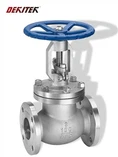

Yo, folks! I'm from a supplier of Alloy Steel Globe Valves, and today I wanna chat about the role of the bonnet in an Alloy Steel Globe Valve.
Understanding the Basics of Alloy Steel Globe Valves
First off, let's get a quick rundown of what an Alloy Steel Globe Valve is. It's a type of valve used in a wide range of industries, from oil and gas to water treatment. The alloy steel construction gives it excellent strength, corrosion resistance, and durability, making it a top - choice in harsh environments. You can check out more about Alloy Steel Globe Valve on our website.
The Bonnet: A Vital Component
Now, let's talk about the bonnet. The bonnet is like the protective hat of the valve. It's one of the key components that cover the valve body and house the valve stem, packing, and other internal parts.
Protection of Internal Parts
One of the primary roles of the bonnet is to protect the internal working parts of the valve. In an alloy steel globe valve, there are many delicate components like the valve disc, seat, and stem. These parts need to be shielded from external elements such as dust, dirt, and moisture. The bonnet creates a sealed environment, preventing contaminants from entering the valve and causing damage. For example, in an industrial setting where there's a lot of dust in the air, a well - designed bonnet ensures that the dust doesn't get inside the valve and interfere with the movement of the stem or cause premature wear of the disc and seat.
Pressure Containment
Another crucial role is pressure containment. Alloy steel globe valves are often used in systems where there's high pressure. The bonnet needs to be able to withstand the internal pressure of the fluid flowing through the valve without leaking. The robust alloy steel construction of the bonnet helps in this regard. It's designed to be able to handle the stress exerted by the high - pressure fluid. If the bonnet fails to contain the pressure, it can lead to leaks, which can be not only a waste of resources but also a safety hazard.
Access for Maintenance
The bonnet also provides access for maintenance. Over time, the internal parts of the valve may wear out or need cleaning. By removing the bonnet, maintenance personnel can easily reach the valve stem, disc, and seat. They can inspect these parts for wear and tear, replace any damaged components, or clean the valve to ensure its proper functioning. This easy access reduces the downtime of the system, which is crucial in industries where continuous operation is required.
Types of Bonnets and Their Impact
There are different types of bonnets used in alloy steel globe valves, and each type has its own characteristics and advantages.
Bolted Bonnets
Bolted bonnets are one of the most common types. They are attached to the valve body using bolts. This type of bonnet is relatively easy to install and remove, which makes maintenance a breeze. It also provides a strong and reliable seal. However, the bolts need to be tightened properly to ensure that there's no leakage. If the bolts aren't tightened evenly, it can lead to uneven stress on the bonnet and cause leaks.
Welded Bonnets
Welded bonnets offer a permanent and leak - tight connection. They are welded directly to the valve body, which makes them ideal for applications where there's high pressure and a zero - leakage requirement. However, the downside is that they are difficult to repair or replace. If there's a problem with the internal parts of the valve, the entire valve may need to be replaced since the welded bonnet can't be easily removed.
Pressure - Seal Bonnets
Pressure - seal bonnets are commonly used in high - pressure applications. As the internal pressure of the valve increases, the bonnet is forced into a tighter seal against the valve body. This self - sealing feature makes them very reliable in high - pressure systems. But they are more complex in design and require careful installation to ensure proper functioning.
Comparing with Other Types of Globe Valves
It's also interesting to compare the role of the bonnet in alloy steel globe valves with that in other types of globe valves, like Cast Steel Globe Valve and Duplex Steel Globe Valve.
Cast Steel Globe Valves
Cast steel globe valves are more common and cost - effective compared to alloy steel ones. The bonnet in a cast steel globe valve has similar roles in terms of protection and pressure containment. However, cast steel may not have the same level of corrosion resistance as alloy steel. So, in applications where there's a high risk of corrosion, the bonnet of an alloy steel globe valve may offer better long - term protection for the internal parts.
Duplex Steel Globe Valves
Duplex steel globe valves are known for their high strength and excellent corrosion resistance. The bonnet in a duplex steel globe valve also plays a vital role in protecting the internal parts and containing pressure. The material properties of duplex steel and alloy steel are different, and the choice between the two may depend on specific application requirements. For example, if the application requires high strength and resistance to certain types of corrosion, a duplex steel globe valve may be a better option. But in many general industrial applications, alloy steel globe valves are a popular choice because of their balanced performance and cost - effectiveness.
Conclusion and Call to Action
In conclusion, the bonnet in an alloy steel globe valve is a super important component. It protects the internal parts, contains pressure, and provides access for maintenance. Whether you are in the oil and gas industry, water treatment, or any other industry that uses valves, understanding the role of the bonnet can help you make better decisions when it comes to valve selection, operation, and maintenance.
If you're in the market for alloy steel globe valves, or if you want to learn more about them, don't hesitate to reach out. We're here to help you make the right choice for your specific needs. Let's start the conversation and get you the valve solutions you need.


References
- Valve Handbook, Industrial Valve Technology
- Engineering Standards for Valve Design and Manufacture