



Hey there! As a supplier of Cast Steel Globe Valves, I've been getting a bunch of questions lately about the pressure drop across these valves. So, I thought I'd sit down and give you the lowdown on what it is, why it matters, and how it affects your operations.
First off, let's talk about what pressure drop is. Simply put, pressure drop is the difference in pressure between the inlet and the outlet of a valve. When fluid flows through a valve, it encounters resistance, which causes the pressure to decrease. This decrease in pressure is what we call the pressure drop.
Now, you might be wondering why pressure drop is such a big deal. Well, for starters, it can have a significant impact on the efficiency of your system. If the pressure drop is too high, it can cause your pumps to work harder, which in turn increases energy consumption and operating costs. Additionally, high pressure drop can also lead to reduced flow rates, which can affect the performance of your equipment.
So, what causes pressure drop in a Cast Steel Globe Valve? There are several factors that can contribute to pressure drop, including the valve's design, size, and the flow rate of the fluid. Let's take a closer look at each of these factors.
Valve Design
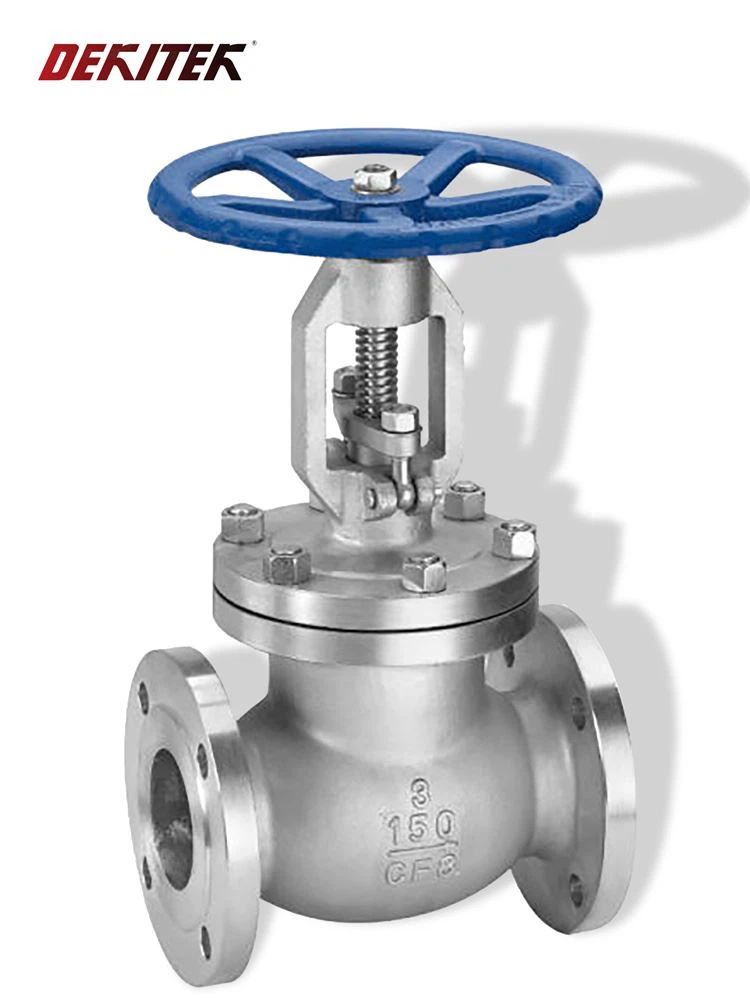
The design of a Cast Steel Globe Valve plays a crucial role in determining the pressure drop. Globe valves typically have a more complex internal structure compared to other types of valves, such as gate valves or ball valves. This complexity can cause the fluid to flow in a more turbulent manner, which increases the resistance and, therefore, the pressure drop.
One of the key design features that affects pressure drop in a globe valve is the seat and disc arrangement. The seat and disc are the primary components that control the flow of fluid through the valve. In a globe valve, the seat is typically located perpendicular to the flow path, and the disc moves up and down to open and close the valve. This design creates a significant amount of resistance to the flow of fluid, especially when the valve is partially open.

Valve Size
The size of the valve also plays a role in determining the pressure drop. Generally speaking, larger valves have a lower pressure drop compared to smaller valves. This is because larger valves have a larger flow area, which allows the fluid to flow more freely and reduces the resistance.
However, it's important to note that the size of the valve should be selected based on the specific requirements of your system. If you choose a valve that is too large, it can lead to excessive flow rates and increased energy consumption. On the other hand, if you choose a valve that is too small, it can cause high pressure drop and reduced flow rates.
Flow Rate
The flow rate of the fluid is another important factor that affects pressure drop. As the flow rate increases, the pressure drop also increases. This is because the fluid encounters more resistance as it flows through the valve at a higher velocity.
To minimize the pressure drop at high flow rates, it's important to select a valve that is designed to handle the specific flow conditions of your system. Some globe valves are designed with a streamlined internal structure that reduces the resistance to the flow of fluid, even at high flow rates.
So, how can you calculate the pressure drop across a Cast Steel Globe Valve? There are several methods available for calculating pressure drop, but one of the most commonly used methods is the Kv value. The Kv value is a measure of the flow capacity of a valve and is defined as the volume of water (in cubic meters per hour) that can flow through the valve at a pressure drop of 1 bar.
To calculate the pressure drop across a globe valve using the Kv value, you can use the following formula:
ΔP = (Q/Kv)^2 × ρ/2
Where:
ΔP is the pressure drop in bar
Q is the flow rate in cubic meters per hour
Kv is the flow capacity of the valve in cubic meters per hour per bar
ρ is the density of the fluid in kg/m^3
It's important to note that the Kv value is specific to each valve and is typically provided by the manufacturer. When selecting a valve, it's important to choose one with a Kv value that is appropriate for your system's flow requirements.
Now that you understand what pressure drop is and how it affects your system, you might be wondering how to minimize it. Here are some tips to help you reduce the pressure drop across a Cast Steel Globe Valve:
- Choose the right valve size: As mentioned earlier, selecting the right valve size is crucial for minimizing pressure drop. Make sure to choose a valve that is sized appropriately for your system's flow requirements.
- Optimize the valve design: Some globe valves are designed with a streamlined internal structure that reduces the resistance to the flow of fluid. Consider choosing a valve with a design that is optimized for low pressure drop.
- Use a valve with a high Kv value: The Kv value is a measure of the flow capacity of a valve. Choosing a valve with a high Kv value can help minimize the pressure drop at high flow rates.
- Keep the valve clean: A dirty or clogged valve can increase the resistance to the flow of fluid and cause a higher pressure drop. Make sure to keep your valve clean and free of debris.
In addition to Cast Steel Globe Valves, we also offer a wide range of other types of globe valves, including Alloy Steel Globe Valve, Duplex Steel Globe Valve, and Stainless Steel Globe Valve. These valves are designed to meet the specific requirements of different applications and offer excellent performance and reliability.
If you're in the market for a high-quality Cast Steel Globe Valve or any other type of globe valve, we'd love to hear from you. Our team of experts can help you choose the right valve for your system and provide you with all the information you need to make an informed decision. So, don't hesitate to reach out and start a conversation with us. We're here to help you find the perfect solution for your needs.
References
- Crane Technical Paper No. 410, Flow of Fluids Through Valves, Fittings, and Pipe.
- ASME MFC-1M-2019, Measurement of Fluid Flow in Closed Conduits Using Transit-Time Ultrasonic Flowmeters.
- Valve Manufacturers Association of America (VMAA) standards and guidelines.