


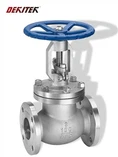

As a reliable supplier of BW Type Metal Sealing Butterfly Valves, I've seen firsthand how crucial it is for these valves to perform at their peak. Whether you're in the oil and gas industry, water treatment, or any other field that relies on these valves, optimizing their performance can save you time, money, and a whole lot of headaches. In this blog, I'll share some practical tips on how to get the most out of your BW Type Metal Sealing Butterfly Valves.
1. Proper Installation
The first step in optimizing valve performance is getting it installed correctly. A poorly installed valve can lead to leaks, premature wear, and reduced efficiency. Here's what you need to keep in mind:
- Alignment: Make sure the valve is perfectly aligned with the pipeline. Misalignment can cause uneven stress on the valve disc and seal, leading to leaks. Use alignment tools and follow the manufacturer's guidelines carefully.
- Torque: When tightening the bolts, use a torque wrench to ensure the correct torque is applied. Over - tightening can damage the valve body or the sealing surfaces, while under - tightening can result in leaks.
- Cleanliness: Before installation, clean the pipeline and the valve thoroughly. Any debris or contaminants can prevent the valve from sealing properly and cause damage to the internal components.
2. Regular Maintenance
Just like any other piece of equipment, BW Type Metal Sealing Butterfly Valves need regular maintenance to stay in top shape.


- Inspection: Conduct regular visual inspections of the valve. Look for signs of wear, corrosion, or damage to the valve body, disc, and seal. Check the actuator for proper operation and any signs of wear on its components.
- Lubrication: Lubricate the valve's moving parts as recommended by the manufacturer. This helps reduce friction and wear, ensuring smooth operation.
- Seal Replacement: Over time, the seals on the valve will wear out. Replace them at the recommended intervals to maintain proper sealing performance. You can find the appropriate replacement seals in our product range, which includes options like the Triple Offset BW End Butterfly Valve with high - quality sealing components.
3. Monitoring and Control
Continuous monitoring and proper control of the valve can significantly improve its performance.
- Pressure and Temperature: Keep an eye on the pressure and temperature in the pipeline. Excessive pressure or temperature can put stress on the valve and affect its sealing ability. Install pressure and temperature sensors and set up alarms to alert you when the levels exceed the recommended limits.
- Flow Rate: Monitor the flow rate through the valve. A sudden change in flow rate can indicate a problem with the valve, such as a blockage or a malfunctioning actuator. Use flow meters to measure the flow and adjust the valve settings as needed.
- Automation: Consider using an automated control system for the valve. This allows for precise control of the valve position based on the process requirements. Automated systems can also provide real - time data on the valve's performance, making it easier to detect and address issues quickly.
4. Material Selection
The materials used in the construction of the valve can have a big impact on its performance.
- Valve Body Material: Choose a valve body material that is suitable for the operating environment. For example, in corrosive environments, stainless steel or other corrosion - resistant materials are a better choice. Our Flange End Metal Sealing Butterfly Valve is available in different materials to meet various application needs.
- Sealing Material: The sealing material is crucial for preventing leaks. Select a sealing material that can withstand the pressure, temperature, and chemical properties of the fluid being handled. Common sealing materials include PTFE, graphite, and metal alloys.
5. Training for Operators
Well - trained operators are essential for the optimal performance of BW Type Metal Sealing Butterfly Valves.
- Operation Training: Provide operators with comprehensive training on how to operate the valve correctly. This includes understanding the valve's controls, how to open and close it properly, and how to respond to different operating conditions.
- Troubleshooting Training: Train operators to recognize common valve problems and how to troubleshoot them. This can help prevent minor issues from turning into major problems and minimize downtime.
6. Compatibility with the System
Ensure that the BW Type Metal Sealing Butterfly Valve is compatible with the overall system in which it is installed.
- Pipeline Size and Design: The valve should be the correct size for the pipeline to ensure proper flow control. Consider the pipeline's pressure rating, flow capacity, and layout when selecting the valve.
- Other Components: The valve should be compatible with other components in the system, such as pumps, filters, and actuators. Incompatible components can cause problems with the valve's performance and the overall system operation. Our Double Offset Flange End Type Butterfly Valve is designed to be highly compatible with a wide range of pipeline systems.
Contact Us for Purchasing and Consultation
If you're looking for high - quality BW Type Metal Sealing Butterfly Valves or need more information on how to optimize their performance, don't hesitate to reach out. We're here to help you find the best solutions for your specific needs. Whether you're a large - scale industrial plant or a small - business operation, we can provide you with the right valves and expert advice. So, let's start a conversation and see how we can work together to improve your processes and achieve better results.
References
- Industrial Valve Handbook, Various Authors
- Valve Maintenance and Troubleshooting Guides, Multiple Publishers