



Hey there! As a supplier of Electric Actuator Gate Valves, I often get asked about the noise level during the operation of these valves. It's a valid concern, especially in environments where noise can be a real issue, like hospitals, residential areas, or quiet industrial settings. So, let's dive right into it and explore what goes on in terms of noise when these valves are in action.
First off, what exactly is an electric actuator gate valve? Well, it's a type of valve that uses an electric actuator to open and close the gate. The gate is the part that moves up and down to either allow or block the flow of fluid through the valve. These valves are widely used in various industries, including oil and gas, water treatment, and power generation, just to name a few.
Now, let's talk about the noise. The noise level during the operation of an electric actuator gate valve can vary depending on several factors. One of the main factors is the design of the valve itself. Some valves are designed to be quieter than others. For example, valves with a well - engineered internal structure that reduces vibration and friction will generally produce less noise.

Another important factor is the quality of the electric actuator. A high - quality actuator will operate more smoothly, which in turn means less noise. Cheaper actuators might have more mechanical play or less precise control, leading to increased noise during operation.
The installation of the valve also plays a significant role. If the valve is not installed correctly, it can cause excessive vibration, which will result in a higher noise level. For instance, if the valve is not properly aligned or if the mounting is loose, it can create a rattling or vibrating sound when the valve is opened or closed.
The operating conditions can also affect the noise level. If the valve is operating at high pressure or high flow rates, it might generate more noise compared to when it's operating under normal conditions. This is because the forces acting on the valve and the actuator are greater, which can lead to more mechanical stress and vibration.
Let's take a look at some of the common noise levels you might expect. In a well - designed and properly installed electric actuator gate valve operating under normal conditions, the noise level can be relatively low, usually in the range of 40 - 60 decibels. This is about as loud as a normal conversation in a quiet room. However, if there are issues with the valve or the actuator, or if it's operating under extreme conditions, the noise level can go up to 70 - 80 decibels or even higher. At 70 - 80 decibels, it's about as loud as a vacuum cleaner or a busy street.
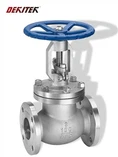
Now, let's touch on some of the products we offer. We have a great selection of gate valves, such as the Carbon Steel Flexible Wedge Gate Valve. This valve is known for its durability and relatively low noise operation. The carbon steel construction provides strength, and the flexible wedge design helps in smooth operation, reducing noise.
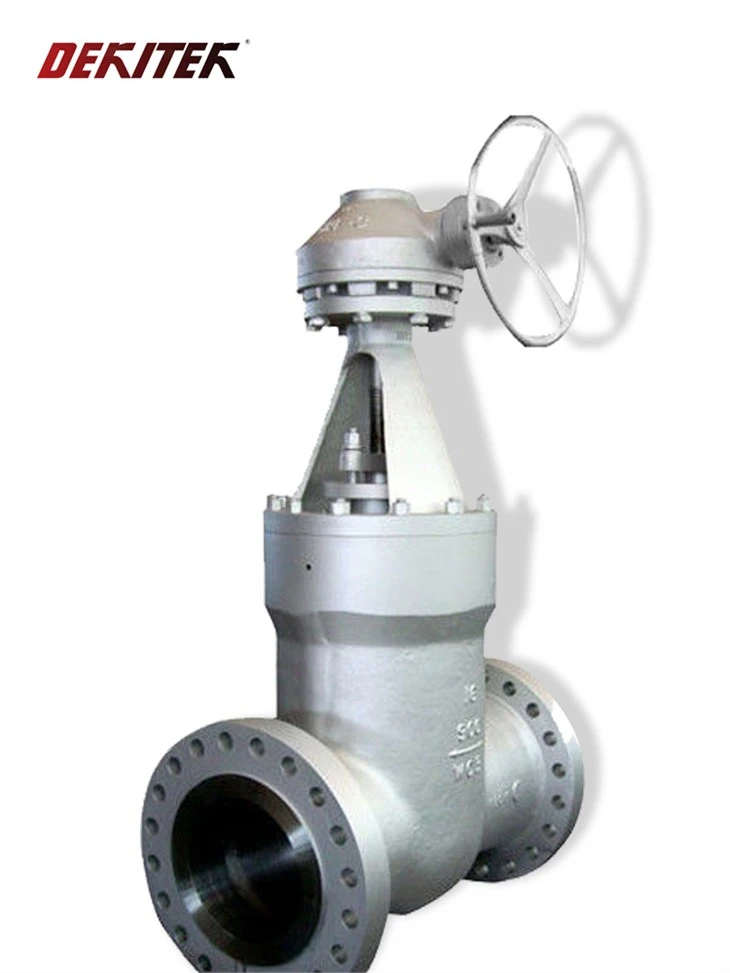
Another option is the Duplex Stainless Steel Pressure Seal Gate Valve. This valve is designed for high - pressure applications. Despite the high - pressure operation, it's engineered to keep the noise level in check. The duplex stainless steel material offers excellent corrosion resistance, and the pressure seal design ensures a tight and quiet operation.
We also have the Duplex Stainless Steel Gate Valve. This valve is suitable for a wide range of applications and is designed with noise reduction in mind. The high - quality duplex stainless steel and precision engineering make it a reliable and quiet choice.
So, how can you reduce the noise level of an electric actuator gate valve? Here are some tips. First, make sure you choose a high - quality valve and actuator. Don't skimp on quality, as it can save you a lot of trouble in terms of noise and maintenance in the long run. Second, ensure proper installation. Have a professional install the valve to make sure it's aligned correctly and securely mounted. Third, monitor the operating conditions. If the valve is operating under extreme conditions, consider making adjustments to reduce the pressure or flow rate if possible.
If you're in the market for an electric actuator gate valve and noise is a concern for you, we're here to help. We have a team of experts who can guide you through the selection process and ensure that you get a valve that meets your noise requirements. Whether you need a valve for a small - scale project or a large industrial application, we've got you covered.
In conclusion, the noise level during the operation of an electric actuator gate valve depends on multiple factors, including the valve design, actuator quality, installation, and operating conditions. By choosing the right valve, having it installed correctly, and operating it under appropriate conditions, you can keep the noise level to a minimum. If you're interested in our products or have any questions about noise levels or valve selection, feel free to reach out to us for a detailed discussion. We're always happy to assist you in finding the perfect solution for your needs.
References
- Valve Handbook, Various Industry Publications
- Manufacturer's Documentation for Electric Actuator Gate Valves