


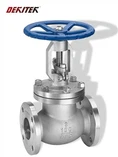

What is the lifespan of a cast steel globe valve? This is a question I often hear from customers as a provider of Cast Steel Globe Valve. In this blog, I'll delve into the factors that influence the lifespan of cast steel globe valves, typical lifespan ranges under different conditions, and how to extend their useful life.
Factors Influencing the Lifespan of Cast Steel Globe Valves
Material Quality
The quality of the cast steel used in the valve is fundamental to its lifespan. Cast steel alloys with high - grade materials, such as those rich in chromium, nickel, and molybdenum, offer better corrosion resistance and mechanical strength. These high - quality alloys can withstand harsh environments, including those with high - temperature steam, aggressive chemicals, or salty water. In contrast, lower - quality cast steel may contain impurities or have inconsistent metallurgical properties, which can lead to premature failure, such as cracking or excessive wear. For instance, in a chemical processing plant where the valve is exposed to corrosive acids, a valve made of high - quality Alloy Steel Globe Valve will last significantly longer than one made of a basic cast steel with poor corrosion resistance.
Operating Conditions
- Temperature: Extreme temperatures, whether high or low, can have a detrimental effect on cast steel globe valves. High - temperature applications, such as in power plants or refineries, can cause the cast steel to expand, altering the valve's dimensions and potentially leading to leaks. Over time, high temperatures can also weaken the material's structure, making it more susceptible to fatigue and cracking. On the other hand, extremely low temperatures can make the cast steel brittle, increasing the risk of fracture under stress.
- Pressure: High - pressure environments put a significant load on the valve components. The valve body and internal parts must be able to withstand the pressure without deforming or failing. If the pressure exceeds the valve's rated capacity, it can cause rapid wear on the seat and disc, leading to leakage and reduced valve performance. For example, in a high - pressure oil pipeline, a valve that is not properly rated for the pressure will experience accelerated wear and may need to be replaced more frequently.
- Flow Rate and Flow Medium: High - flow rates can cause erosion and cavitation in the valve. Erosion occurs when the flowing medium, such as water or gas with suspended particles, wears away the valve's internal surfaces. Cavitation, which happens when the pressure of the flowing liquid drops below its vapor pressure, creates vapor bubbles that collapse and cause damage to the valve components. The nature of the flow medium also matters. Aggressive chemicals, abrasive slurries, or highly viscous fluids can all contribute to faster wear and degradation of the valve.
Installation and Maintenance
- Installation: Proper installation is crucial for the long - term performance of a cast steel globe valve. Incorrect installation, such as improper alignment, over - tightening or under - tightening of bolts, or using incorrect gaskets, can lead to leaks, uneven stress distribution, and premature failure. For example, if the valve is not installed in the correct orientation, it may not operate as efficiently, and the internal components may experience abnormal wear.
- Maintenance: Regular maintenance is essential to extend the lifespan of a cast steel globe valve. This includes inspecting for leaks, lubricating moving parts, checking the actuation mechanism (if it is an automated valve), and replacing worn - out parts. A well - maintained valve can last much longer than one that is neglected. For instance, by replacing the valve packing before it starts to leak, you can prevent damage to the valve stem and other components.
Typical Lifespan Ranges
The lifespan of a cast steel globe valve can vary widely depending on the factors mentioned above. In general, in normal industrial applications with moderate temperatures, pressures, and relatively clean flow media, a well - made and properly maintained cast steel globe valve can last between 10 to 20 years.
In less demanding applications, such as in a residential water supply system where the pressure and temperature are relatively stable, and the water is clean, the valve may last even longer, up to 25 years or more. However, in harsh industrial environments with high temperatures, high pressures, and corrosive or abrasive flow media, the lifespan may be significantly shorter, ranging from 5 to 10 years.
How to Extend the Lifespan of Cast Steel Globe Valves
Select the Right Valve
- Material Selection: Choose a cast steel globe valve made of high - quality materials that are appropriate for the specific operating conditions. For example, if the valve will be exposed to corrosive environments, consider a Stainless Steel Globe Valve which offers better corrosion resistance.
- Valve Sizing: Ensure that the valve is correctly sized for the application. An undersized valve may experience high - flow velocities and excessive wear, while an oversized valve may not operate efficiently and can lead to problems such as water hammer.
Proper Installation
- Follow the manufacturer's installation instructions carefully. Use the correct tools and techniques to ensure proper alignment, torque values, and gasket installation. If necessary, consult with a professional installer or engineer.
Regular Maintenance
- Establish a maintenance schedule and stick to it. Inspect the valve regularly for signs of wear, leaks, and corrosion. Lubricate the moving parts as recommended by the manufacturer. Replace worn - out parts promptly to prevent further damage to the valve.
Monitoring and Control
- Implement a monitoring system to track the valve's performance. This can include monitoring pressure, temperature, and flow rate. If any abnormal conditions are detected, take corrective actions immediately to prevent damage to the valve.
In summary, the lifespan of a cast steel globe valve is influenced by multiple factors, including material quality, operating conditions, installation, and maintenance. By understanding these factors and taking appropriate measures, you can maximize the lifespan of your valves and ensure reliable operation.


If you are in the market for a high - quality cast steel globe valve or need more information about valve selection and maintenance, feel free to reach out. We are here to help you make the best choice for your specific application and ensure the long - term performance of your valves.
References
- "Valve Handbook", Kenneth A. Harper, McGraw - Hill
- "Industrial Valves: Design and Application", Robert Hunt, Elsevier