


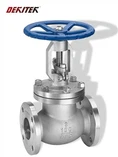

Hey there! As a supplier of Duplex Steel Globe Valves, I've seen firsthand the growing demand for automating these valves. Manual duplex steel globe valves have served industries well for a long time, but with the advancements in technology, upgrading to an automated version can bring a whole bunch of benefits. In this blog, I'll walk you through how you can upgrade a manual duplex steel globe valve to an automated one.
Why Upgrade to an Automated Valve?
Before we dive into the upgrade process, let's quickly talk about why you might want to make the switch. Automated valves offer better control and precision. They can be programmed to open and close at specific times or in response to certain conditions, like pressure or flow rate. This means more consistent performance and less room for human error. Also, they can save a lot of time and labor. Instead of having someone manually operate the valve, the automation system takes care of it all. Plus, in some harsh or dangerous environments, it's safer to have an automated valve doing the job rather than a person.
Step 1: Assess Your Valve
The first thing you need to do is take a good look at your existing manual duplex steel globe valve. Check its size, pressure rating, and overall condition. You need to make sure that it's in good enough shape to be upgraded. If the valve is severely damaged or worn out, it might be better to replace it entirely. Also, note down the valve's end connections, such as flanged, threaded, or welded. This information will be crucial when choosing the right actuator for the upgrade.
Step 2: Choose the Right Actuator
The actuator is the key component in automating a valve. It's what will control the opening and closing of the valve. There are different types of actuators available, such as electric, pneumatic, and hydraulic.
- Electric Actuators: These are great for applications where you need precise control. They're easy to install and can be integrated with a control system. Electric actuators are powered by electricity, so you need to make sure you have a reliable power source.
- Pneumatic Actuators: Pneumatic actuators use compressed air to operate the valve. They're fast and can provide a lot of force. They're commonly used in industrial settings where compressed air is readily available.
- Hydraulic Actuators: Hydraulic actuators use hydraulic fluid to generate force. They're very powerful and can handle high-pressure applications. However, they're more complex and require a hydraulic power unit.
When choosing an actuator, consider factors like the torque required to operate the valve, the speed of operation, and the environmental conditions. You can also check out different types of globe valves like Alloy Steel Globe Valve and Stainless Steel Globe Valve to get an idea of the actuator requirements for different valve materials.
Step 3: Mount the Actuator
Once you've chosen the right actuator, it's time to mount it on the valve. This step requires some technical know-how, so if you're not confident, it's best to hire a professional. First, make sure the valve is in the closed position. Then, align the actuator with the valve stem and attach it securely using the appropriate bolts or brackets. Make sure the actuator is properly centered and that there's no misalignment.
Step 4: Connect the Actuator to the Control System
After mounting the actuator, you need to connect it to a control system. This can be a simple switch or a more complex programmable logic controller (PLC). The control system will send signals to the actuator to open or close the valve. Follow the manufacturer's instructions carefully when making these connections. You'll need to connect the power supply, control wires, and any feedback sensors.
Step 5: Test the Automated Valve
Once everything is installed and connected, it's time to test the automated valve. Start by running some basic tests to make sure the actuator is working properly. Open and close the valve a few times and check for any leaks or abnormal noises. You can also test the valve's response to different control signals. If you encounter any problems, go back and check your connections and settings.
Step 6: Maintenance and Monitoring
After the upgrade is complete, it's important to maintain and monitor the automated valve regularly. Check the actuator for any signs of wear or damage. Lubricate the moving parts as recommended by the manufacturer. Also, keep an eye on the control system to make sure it's functioning correctly. Regular maintenance will help ensure the long-term reliability of your automated valve.
Cost Considerations
Upgrading a manual duplex steel globe valve to an automated one will involve some costs. The cost of the actuator and the control system can vary depending on the type and size. You also need to factor in the cost of installation and any additional accessories. However, in the long run, the benefits of automation, such as increased efficiency and reduced labor costs, can outweigh the initial investment.
Conclusion
Upgrading a manual duplex steel globe valve to an automated one is a great way to improve the performance and efficiency of your system. By following the steps outlined in this blog, you can make the upgrade process smooth and hassle-free. If you're in the market for a new globe valve or need help with the upgrade, we're here to assist you. We also offer Cast Steel Globe Valve and other related products. Feel free to reach out to us if you have any questions or want to discuss your specific requirements. Let's work together to take your valve system to the next level!


References
- Valve Handbook, 4th Edition by Robert W. Powell
- Industrial Valves: A Practical Guide by John P. Carson